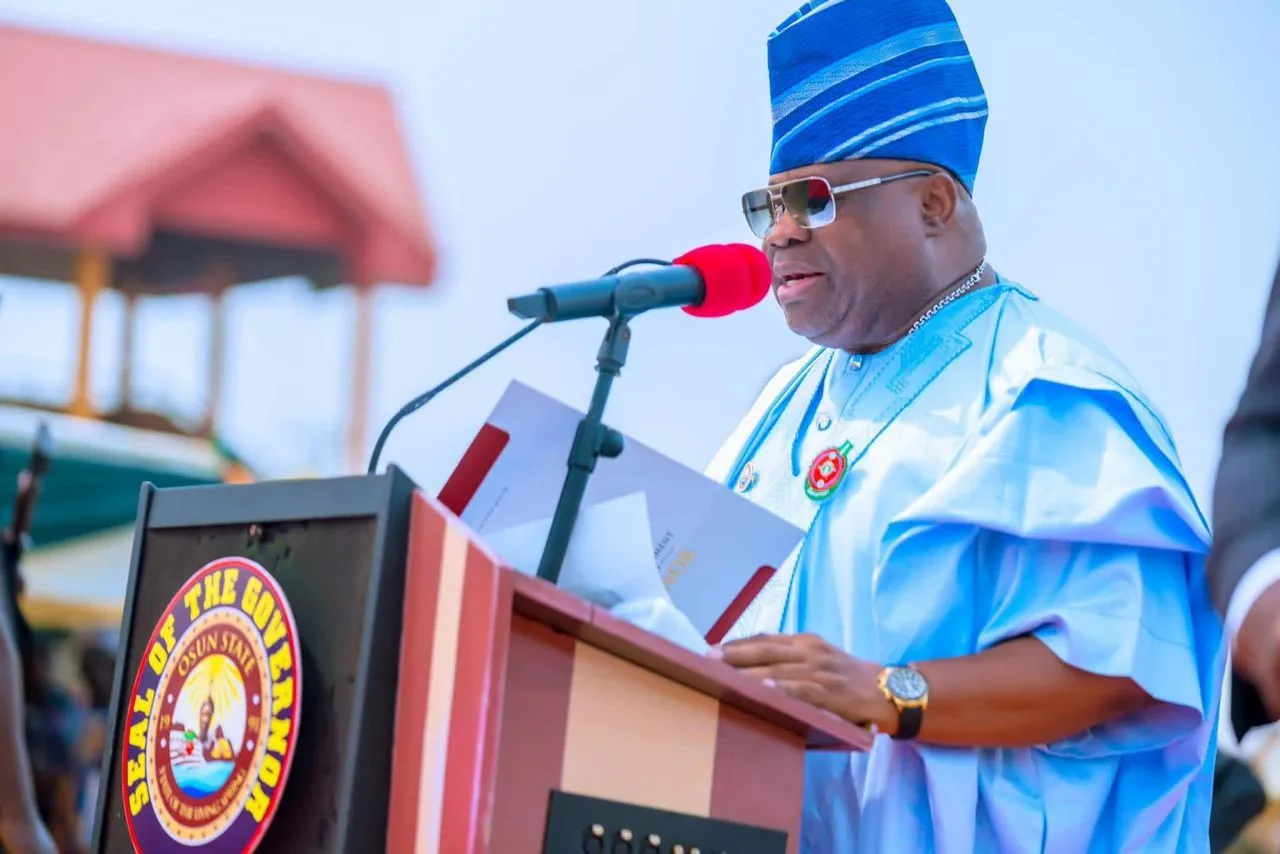
ABUJA – In a bid to building media capacity in reporting Women, Peace and Security Resolutions in Nigeria, the West Africa Network for Peacebuilding (WANEP) in partnership with the Global Network of Women Peacebuilders (GNWP), organises a 2-Day Training Workshop in Abuja for media practioners.
The CEO of GNWP- Mavic Cabrera-Balleza, said the training workshop became important because “women are disproportionately represented in most of the media platforms”. She said this could be reflected in the fact that despite a good number of women that have distinguished themselves in their chosen careers, the media does not bring it to the knowledge of the public, hence, they are underrepresented.
The National Coordinator of WANEP- Chief Mrs. Bridget Osakwe said WANEP has been in the forefront in ensuring that the voices of women are heard in issues concerning peace and security, and called on the media to give adequate coverage on issues affecting women.
“The establishment of the network has been a response to the growing pathologic civil based violence and war in West Africa caused by mismanaged socio-political structures and systems. WANEP`s niche is built on its ability to facilitate a platform for concerted structural and social reforms amongst societies in West Africa sub region. It works towards achieving this through streamlined thematic programs.
“The thematic areas include: the Women in Peacebuilding, the Non Violence and Peace Education, Research and Documentation, Democracy and Good Governance, and the Early Warning and Early Response”, she said.
On her part, WANEP Head of Programs- Patience Ikpeh Obaulo while speaking on the role of Journalists in implementing Women, Peace and Security (WPS) Resolution, said the United Nations Security Council Resolution 1325 and eleven other resolutions teamed up to form WPS resolution. She said the resolution was important because women have long been left behind when it comes to decision making on issues concerning peace and security. Mrs Ikpeh Obaulo urged Journalists to amplify the voices of women.
“Journalists can help contribute to implementing WPS resolution by changing the stereotypes that have bedeviled the women folks for a long time; raising awareness on National Action Plan (NAP); providing role models; ensuring diverse perspective in their reports- ‘not only the men, let women also speak’; and holding the government accountable in the implementation of NAP. Only 3% of stories challenge stereotype globally. 25% of journalist report about women despite the fact that one in three experts in covid-19 are women”, she said.
“Nigeria signed the resolution in New York and the implication is that the resolution must be implemented. The only way to implement it, is to develop an action plan. In 2013, Nigeria develop the first action plan. In August 2013, the first NAP was launched. Because of Nigeria’s reality, five pillars to guide the implementation were adumbrated. The pillars include: prevention, participation, prosecution, promotion, and protection.
In a bid to promoting the course of Women in the media, a media consultant- Senator Iroegbu recommended the following: that more women should be encouraged in the journalism profession; that more women been pushed into managerial and editorial boards; that women focused contents and programmes been built; that more advocacy project on women empowerment should be organized; and that the social media should be maximised in promoting the interest of women.
There was group work on Contemporary Newspaper Reporting: Content analysis exercise; Creating news stories and social media messages on topics related to WPS and COVID-19 Recovery; and Developing a media and communication strategy towards the effective implementation of NAP 1325 and COVID-19 Recovery.