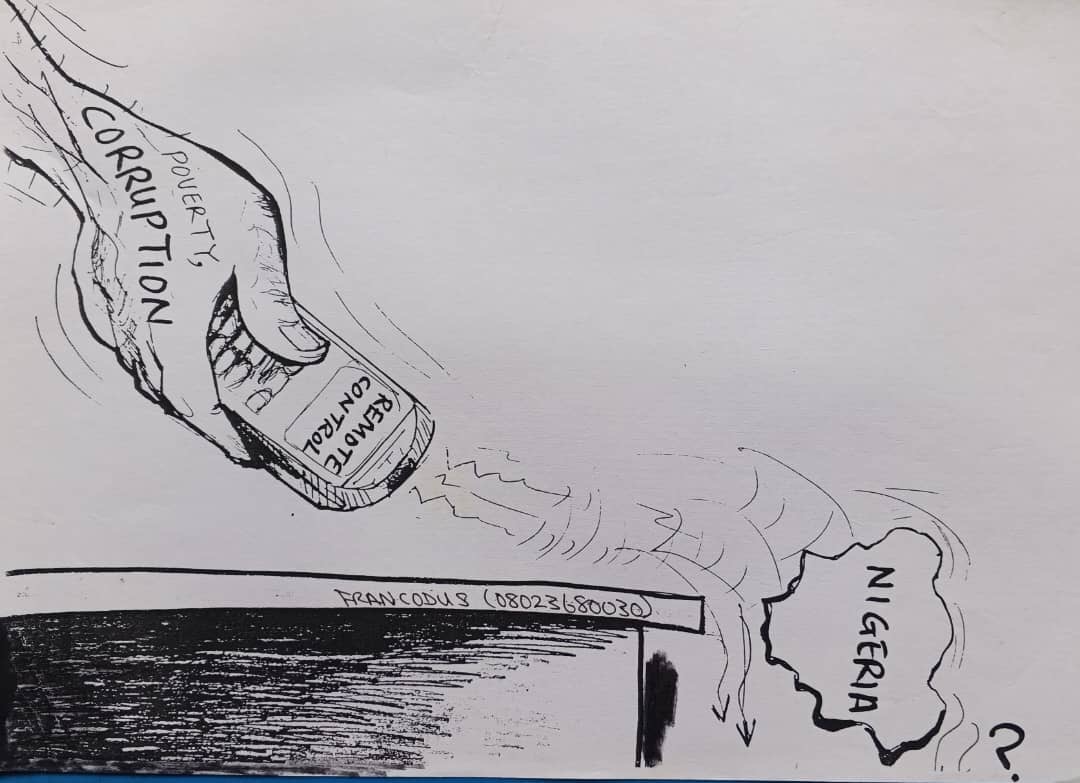
The Nigerian economy has taken a nosedive, leaving the nation grappling with uncertainty. With examinations around the corner, anxiety levels are soaring, and the rising cost of living is fanning the flames. Let’s explore the struggles of students and the impact of the economic downturn on their academic pursuits.
The economic reality
Nigeria’s economic landscape is challenging, to say the least. The inflation rate has soared, and currency fluctuations have made essential items like food, transportation, accommodation and fees unaffordable for many. The National Bureau of Statistics (NBS) reports a significant increase in the cost of living, with food prices rising by over 20 percent in the past year alone. Who would have imagined that Indomie would become a luxury, a sachet of water would cost N50, or garri, our staple food, would sell for N1000 per rubber?
Students’ struggles
Living in Nigeria now seems like a game of survival, with ‘SAPA’ holding the majority of the population hostage. We are the leaders of tomorrow, but will we make it to tomorrow? There is a strong indication that the rate of students dropping out will increase due to the high cost of living and hike in fees.
Basic amenities like food, water, and textbooks have become a challenge to procure. “The question now is, do I pass or do I pass away?” asks Cecilia, a 200L student at Benson Idahosa University, when asked how she was faring financially.
“I can’t even afford three square meals anymore; I now eat once a day to survive.” Marvellous, another 200L student at Benson Idahosa University, laments, “When I was in 100L, I used to get rice for N300, and it would fill the pack, but now rice of N1000 is like shallow waters”. She says, “It didn’t seem like a lot at first till I did my calculation and realized that I was spending N30,000 a month on just food!” “How much is my allowance? And I can’t even call home because the man has tried.”
Students are lamenting. The price of food, among other things, has tripled. Some have gone from having three meals a day to fasting and have even begun making jokes like “Me eat and gain weight? What about my steeze?” to cushion the financial blow and console themselves.
An excerpt from an article published on February 12, 2024, by Vanguard, Osazuwa Akinola, a student, stated, “It is very disheartening to see your fellow student suffer to get food and survive in this harsh economy.” “The economy is not smiling at our parents and guardians, so it is affecting us too.” He said, “Before, some of my mates in the hostel would come with bags of foodstuff and other useful appliances that help one relax, but now the cost of food has tripled, and such scenarios have ceased to exist.”
Businesses in the school vicinity are not helping matters. “Seeing we are students, they believe we have money and increase the prices of goods once it is a student purchasing them.”
Exams looming, anxiety grows
Let’s put food aside for a moment; the midnight oil that we’re asked to burn, how much does it cost now?
As exams approach, the pressure is mounting. “I’m worried about how I’ll perform,” says John, a final-year student at Benson Idahosa University. “I can’t afford to fail, but it’s hard to focus when you’re constantly worried about how you’ll pay your next bill.”
Research has shown that food insecurity can affect academic performance, student behaviour, and engagements in university, ultimately impacting retention and graduation rates (Hilton, 2010).
The academic guilt and pressure to pass are one thing, but when coupled with financial pressure, it starts to take both a mental and physical toll on you. If this persists, students will be dropping like flies from the academic space.
Coping mechanisms and support
It’s sad to think about what the younger generation, who have barely come of age, are passing through. Despite the challenges, students are finding ways to cope. “I’ve had to cut back on social activities and focus on my studies,” says Elizabeth, a 300-level student at the University of Benin. “It’s not easy, but I know I have to prioritize my education.”
Some institutions are offering support, such as scholarships and financial aid, but more needs to be done to address the root causes of the problem. The students advocate that the federal grants not only cover tuition but also other aspects of their lives, as well as an increment of the federal minimum wage.
“They have forgotten that what is affecting the economy is affecting parents and guardians and also affecting us.” Many of us now have to tie down our idle cash by buying used home items and appliances like bed, fridge, cupboard, gas cylinder, television set, among other things from graduating students.
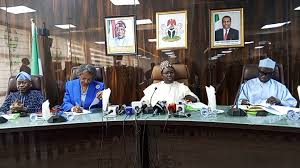
In another article published by Vanguard on February 6, 2024, the President of NAUS, in their open letter, addressed the pressing issue of the hardship faced by Nigerians due to the high cost of living and other socio-economic challenges.
To alleviate financial stress, the government could provide paid part-time internship opportunities or regulate prices to make things affordable for students. Universities could offer financial literacy programmes and counselling services to help students manage their finances effectively. Students could also lobby government officials and policymakers to prioritize issues affecting them, including the rising cost of living.
But until active measures are put in place to aid students or reverse the current economic situation, I encourage students to adhere to strict budgets, consider DIY when it comes to certain projects, cut down on luxury expenses, and drinks and prioritize their health.
The economic downturn is taking a toll on students, and it’s time for policymakers and institutions to take notice. As exams approach, students should be focusing on their studies, not worrying about how they’ll survive. We urge the government and Esosa, a student of Mass Communication Department, Benson Idahosa University, writes from Benin Cityrelevant stakeholders to provide support for students and address the economic challenges facing the nation.