…warn of impact on businesses, households
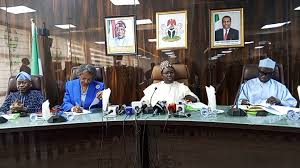
The Nigerian Association of Chambers of Commerce, Industry, Mines and Agriculture (NACCIMA) and the Organized Private Sector (OPS) have expressed concerns over the recent increase in the pump price of petrol, decrying its potential impact on businesses and consumers across the country.
This comes on the back of the announcement, Tuesday, by the Nigerian National Petroleum Company Limited (NNPCL) of an increase in the pump price of Premium Motor Spirit (PMS), otherwise known as petrol, from about N600 the N855 per litre.
The petrol price increase has been met with negative reactions, with the Nigeria Labour Congress (NLC) and other pressure groups calling for its reversal.
Reacting in a statement, the National President of NACCIMA, Dele Kelvin Oye Esq., called on the Federal Government to engage in constructive dialogue with relevant stakeholders, including the organized private sector and labour unions, to address the concerns raised about the price increase and its potential effects on the economy.
“The Nigerian Association of Chambers of Commerce, Industry, Mines and Agriculture (NACCIMA) expresses its concerns over the recent increase in the pump price of petrol to over ₦800 per liter at NNPC filling stations across the country,” Oye said.
“While we understand the complex factors that can influence fuel prices, such as global oil market dynamics and exchange rate fluctuations, we are troubled by the lack of prior notice and clear explanations provided by the government and the Nigerian National Petroleum Company Limited (NNPC) regarding this development,” he said.
Oye said the timing of the price hike is particularly concerning as it has the potential to further exacerbate the impact on businesses and consumers, especially the vulnerable segments of the population and those on fixed incomes, who are still adjusting to the recent increase in the national minimum wage.
“NACCIMA calls on the government and the NNPC to engage in constructive dialogue with relevant stakeholders, including the organized private sector and labour unions, to address the concerns raised about this price increase and its potential effects on the economy,” Oye said.
“We are particularly interested in understanding the reported conditions that may have been agreed upon during the minimum wage negotiations, and how the current development aligns with those understandings. Maintaining trust and credibility in the government’s economic policies is crucial for fostering a conducive business environment and promoting inclusive growth.
“Furthermore, we urge the authorities to provide clarity on the NNPC’s financial reporting, which has seen conflicting statements about the company’s profitability and financial obligations. Transparency and accountability within the state-owned oil company are essential for building public confidence,” he said.
He restated NACCIMA’s commitment to working collaboratively with the government and other stakeholders to find sustainable solutions that balance the needs of businesses, consumers, and the broader Nigerian economy.
“We believe that open dialogue and a shared commitment to the nation’s prosperity are key to navigating these complex challenges,” he said.