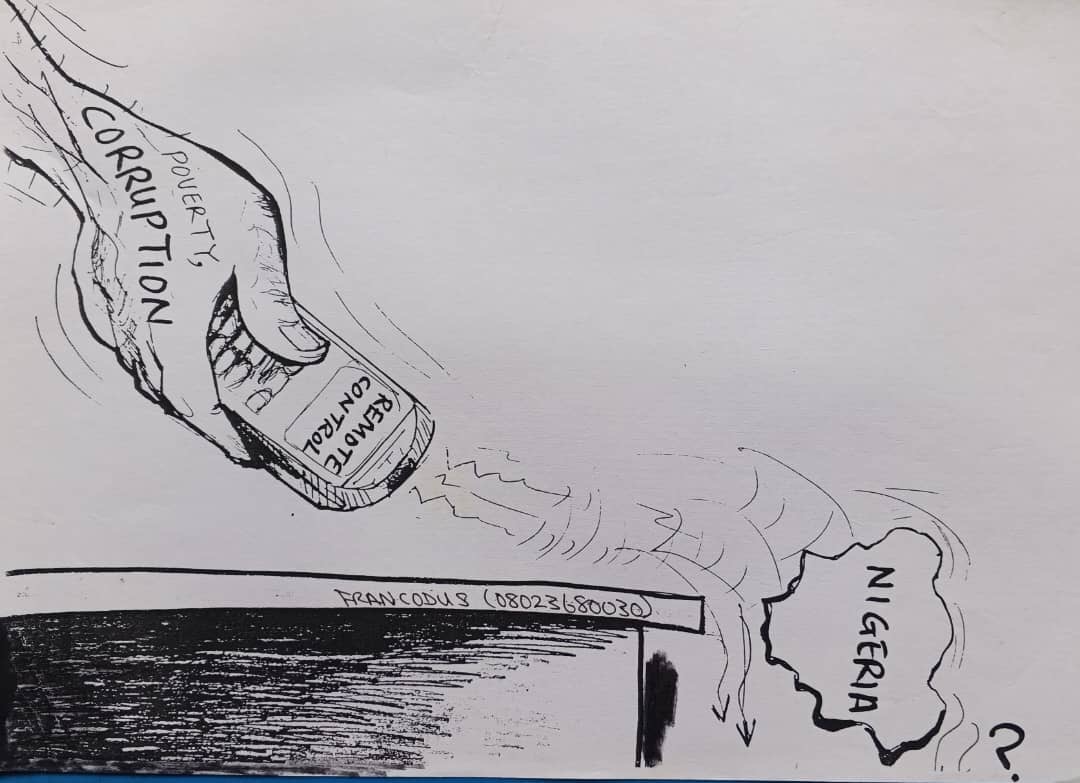
Voter turnout in Nigeria has been on a decline, reflecting a growing disinterest in the country’s electoral process. This trend is becoming alarming as it suggests that citizens are increasingly getting disconnected from the democratic process.
Voter apathy is not peculiar to Nigeria. It extends across borders. However, Nigerians’ rapidly growing apathy in the electoral process is now a pressing concern.
When Nigeria returned to democracy in 1999, voter turnout was 52.3 percent. The number grew to 69 per cent in 2003, but began a steady decline in 2007. It fell to 57.5 per cent in 2007, 53.7 per cent in 2011, 43.7 per cent in 2015, and 34 per cent in 2019.
Data compiled by the International Institute for Democracy and Electoral Assistance (I-IDEA), an intergovernmental organization, showed that the 2019 general election had the second-lowest voter turnout in the history of elections held in African countries. Some 82.3 million people registered to vote in the 2019 election but only 26.8 million voted.
But it was the 2023 general election that has recorded the lowest voter turnout since the return to democracy in 1999. Out of the 93.47 million people who registered to vote, only 24.9 million people voted in the presidential and National Assembly elections, representing just 26.72 per cent voter turnout.
There are a number of factors responsible for voter apathy. For one, many individuals who register to vote may lack enthusiasm for elections, and their motivation for registering might not be a desire to participate in the democratic process. They may see the voter registration card as a valuable document for other purposes, such as age verification or identification, or even to access other government services that require identification.
Election observers in the September 21, 2014 Edo State guber polls observed that the election had the poorest turnout among all elections held in the state. Israel Olatunji, one of the observers, told Foundation for Investigative Journalism (FIJ) that voter turnout was shockingly low, voters shunned the process and that the apathy could be linked to lack of trust in the process.
“There is a continuous lack of interest in the democratic process, and the electorate is blaming it on lack of trust and the lack of civic education and orientation,” he told FIJ.
Also, Nigerians tend to show more interest in executive office elections than legislative or local government ones. This is reflected in the relatively low voter turnout in National Assembly and local government elections. Many citizens seem to prioritize the presidency and governorship positions over other levels of government.
Why apathy grows
Nigerians’ apathy towards voting stems from various factors. For many citizens, it is the fear of election violence that keeps them away from polling stations. Voters have faced violence like snatching of ballot boxes and voting materials, hired thugs intimidating voters, and clashes between supporters of rival political parties.
The state of bad governance in Nigeria is another significant factor contributing to voter apathy. Citizens do not feel motivated to participate in the democratic process due to the country’s dire situation that is marked by widespread poverty, crippling insecurity, and a general sense of hopelessness. With over 70 million people struggling to survive in extreme poverty, their daily concerns overshadow the importance of voting. When people struggle to make ends meet and face constant threats to their safety, voting becomes an afterthought.
Many people in Nigeria feel that their vote won’t count, so they don’t see the point in voting. This sense of powerlessness is fuelled by various factors, including a history of electoral malpractices, rigging, and unfulfilled campaign promises. When citizens feel their voices won’t be heard, they are less likely to participate in the democratic process.
Finding solutions
To address voter apathy, the Independent National Electoral Commission (INEC) must prioritize transparency and accountability in elections. INEC officials should not turn a blind eye to electoral wrongdoing. They should prevent vote buying, rigging, and manipulation of results, which erode trust and discourage citizens from participating. Along this line, the Executive Director of the International Press Conference, Lanre Arogundade, has charged INEC to ensure credibility and transparency ahead of Ondo State’s gubernatorial election slated for November 16, 2024.
Political affairs commentators have been emphasising the need for Nigeria’s election process to go digital. They argue that the current method is outdated and vulnerable to rigging and that embracing technology would not only enhance the voting experience but also ensure transparency and credibility. If digital solutions are embraced, Nigeria can revitalize its democratic processes, regain citizen trust, and join the ranks of modern democracies.
Additionally, elected officials have been urged to endeavour to deliver on their campaign promises to maintain public trust and encourage voter participation. Broken promises lead to disappointment and can cause citizens to question the effectiveness of the democratic process. Failure to fulfill promises breeds voter apathy.