Former Secretary-General of the Commonwealth, Chief Emeka Anyaoku, has said that Nigeria’s persistent insecurity, economic crisis, infrastructure deficits, and other national challenges can only be effectively addressed through the adoption of a credible and democratically developed constitution.
Anyaoku made the remarks at the ongoing National Summit on the Future of Nigeria’s Constitutional Democracy, taking place at the Transcorp Hilton in Abuja.
He stated, “In organising this National Summit, the Patriots believe that any controversial fact I have mentioned can be more effectively reversed if our pluralistic country is given a more credible and truly better constitution, democratically made by the Nigerian people.
“A constitution that would align with that of the United States and other successful pluralistic countries around the world.
“To those who argue that the fate of a country depends primarily on its leadership, I respond that the constitution, which defines the system of governance, largely determines the character of those elected or appointed to lead in all three arms of government.”
The summit, organised by the Nigeria Political Summit Group in collaboration with the Eminent Patriots of Nigeria, aims to develop a new constitution capable of repositioning the nation.
Anyaoku criticised the current 1999 Constitution, even as amended, describing it as a product of military imposition and not reflective of democratic will.
“First, Nigeria is a pluralistic country, and like all successful pluralistic societies, its constitution must address its own complexities.
“Second, it must recognise its diversity by being formulated by elected representatives of its various peoples.
“Our current 1999 Constitution, as amended, is not such a document. It was not democratically crafted, but rather imposed through a military decree.
“The governance structure it established is not only non-inclusive, but also fosters unrealistic expectations on government spending, prioritising administration over capital development,” he added.
He stressed that the need for a new constitution is a national imperative that must be initiated and owned by Nigerians.
According to him, “There are also undeniable facts about Nigeria’s present crises and political situation.
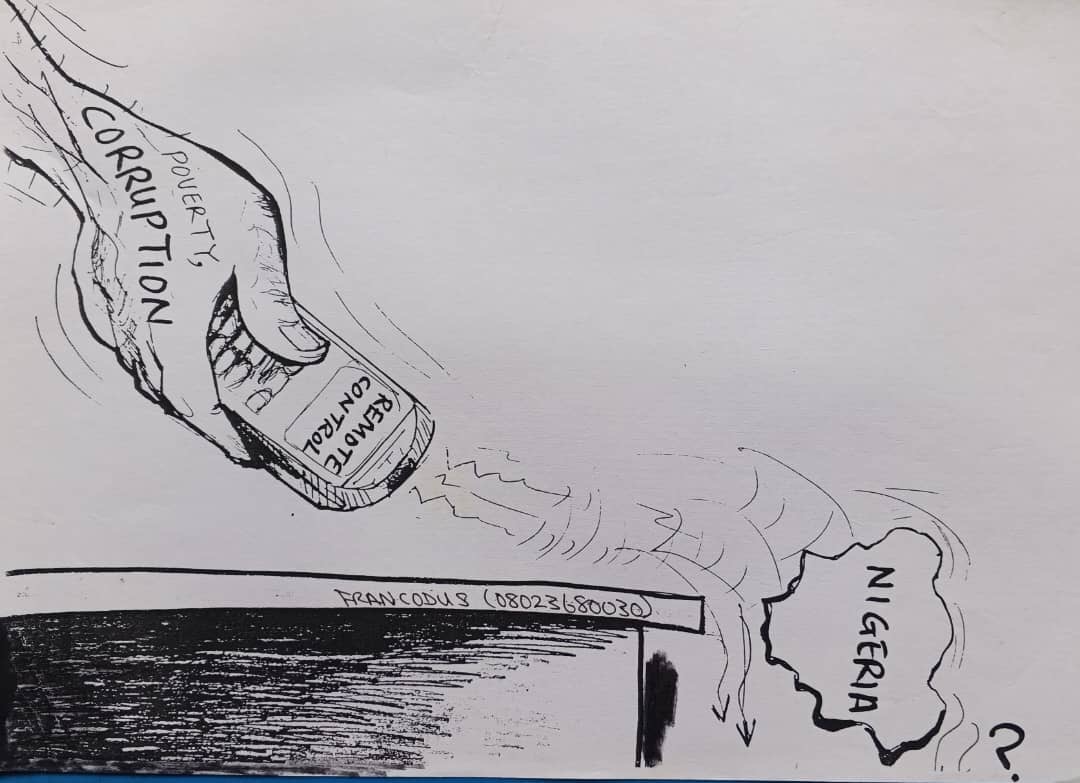
“First, the country faces severe insecurity, with daily incidents of kidnapping and killings, particularly in the Middle Belt, Northeast, and Northwest regions. Farmers in these areas can no longer access their farms, further compounding the nation’s woes.
“Secondly, Nigeria now holds the unenviable status of the poverty capital of the world, with poverty and hardship levels rising across the population. Thirdly, poverty itself is deepening, feeding into a vicious cycle.”
Anyaoku also lamented the country’s deteriorating infrastructure, especially in health and education, noting that many public facilities are no longer fit for purpose.
He said, “Importantly, there is a weakening sense of national unity. Nigeria remains a pluralistic state still struggling to become a nation. There is a growing mood of despair and lack of faith in the future, particularly among the youth.
“Furthermore, the current structure of 36 federating units cannot sustain the pace of development once achieved under the 1963 Constitution.”
He expressed optimism that the Summit would recommend key elements for the desired new constitution and outline a clear path for its realisation.
“I hope discussions will cover critical issues, such as the choice between a presidential or parliamentary system, tenure and rotation of leadership at both national and sub national levels, structure of the legislature, number and autonomy of federating units, division of powers, structure of security agencies, political party systems, and resource management,” Anyaoku said.
He emphasised that any new constitution must be created by representatives specifically elected for that purpose and should be ratified by the Nigerian people through a national referendum.
Other eminent personalities in attendance at the summit include former Ogun State Governor, Gbenga Daniel; Senator Ben Obi; Professor Pat Utomi; Senator Josephine Anenih; former Education Minister, Obiageli Ezekwesili; constitutional lawyer, Mike Ozekhome (SAN); and human rights advocate, Femi Falana.