… As experts warn of potential disease resurgence
Nigeria urgently needs one billion dollars over the next five years to secure life-saving vaccines and maintain recent gains in child immunisation, the National Primary Health Care Development Agency (NPHCDA) warned on Wednesday, as concerns mount over the country’s ability to prevent outbreaks of vaccine-preventable diseases.
Speaking at the Multi-Stakeholders’ Technical Workshop on Optimising a Sustainable Immunisation Financing Model in Abuja, NPHCDA Executive Director Dr Muyi Aina disclosed that only 21 per cent of the 2024 vaccine budget had been released, leaving a significant shortfall that threatens ongoing immunisation efforts across Nigeria.
“We need $1 billion over the next five years to secure vaccines for our population,” Aina said. “But with less than a quarter of this year’s budget released, we are at risk of reversing hard-won gains and exposing millions of children to diseases like measles, polio, and diphtheria.”
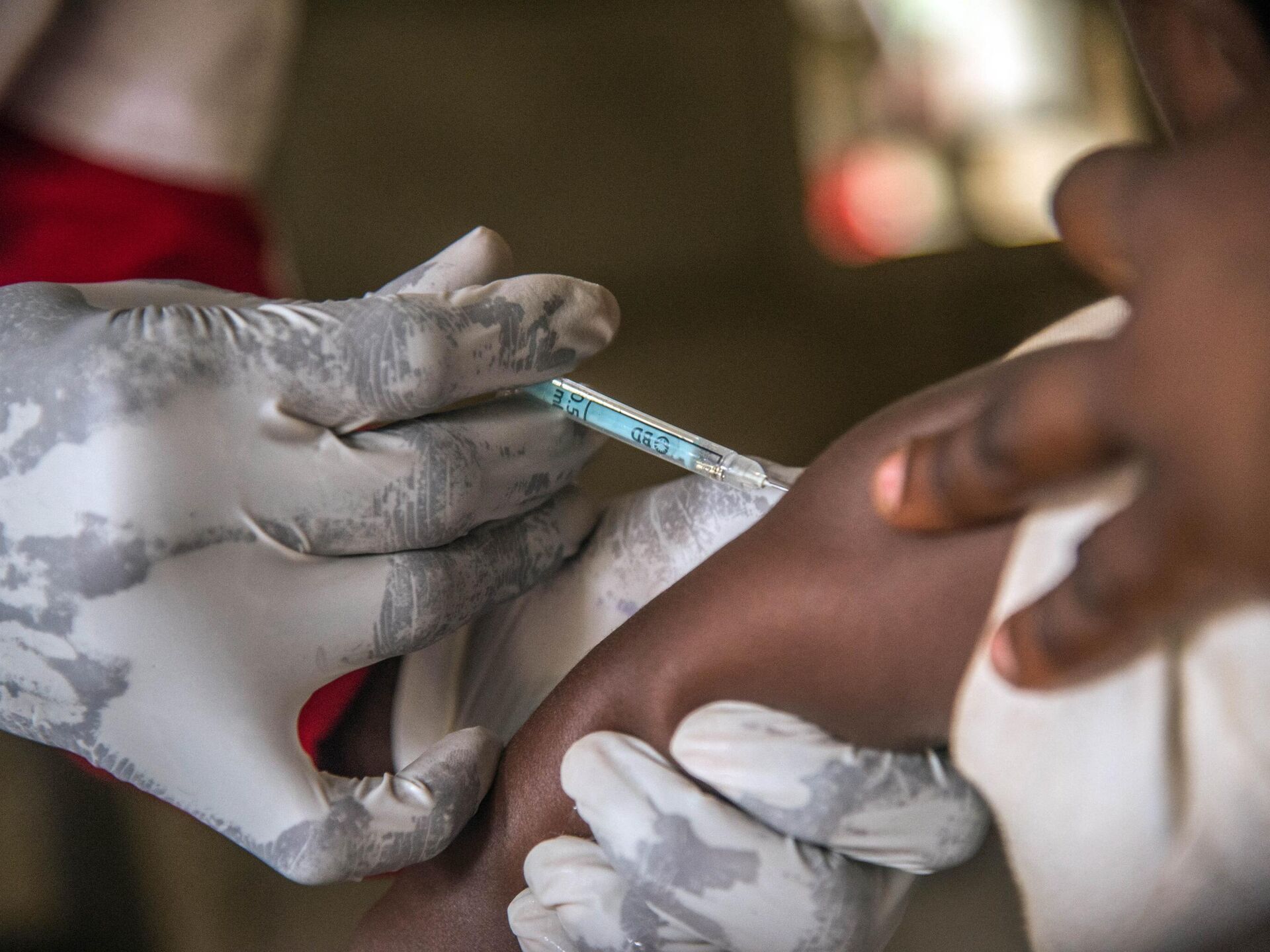
Aina noted that although Nigeria has made progress, including reaching three million zero-dose children, vaccinating 14 million girls against cervical cancer, and administering 91 million vaccine doses in 2024 alone, sustaining these achievements requires consistent funding.
He warned that failure to bridge the funding gap could derail Nigeria’s efforts to eliminate vaccine-preventable diseases, weaken herd immunity, and lead to potential resurgences of deadly outbreaks.
Aina underscored that immunisation is not solely the responsibility of the federal government but a national duty, calling on state governors to prioritise vaccine funding as a core component of primary health care. “Immunisation is a national obligation for our children, our families, and the future of our health system,” he said.
He further highlighted the economic implications of failing to vaccinate children, pointing to potential costs from increased disease treatment, loss of productivity, and heightened pressure on an already overstretched health system.
The NPHCDA boss also reaffirmed the government’s commitment to working with partners to improve vaccine cold chain infrastructure, train health workers, and increase public awareness about the importance of routine immunisation.
Participants at the workshop, including representatives from state ministries of health, international partners, and civil society organisations, stressed that sustainable immunisation financing was essential for public health security and national development.
Nigeria’s immunisation financing currently depends on a combination of federal, state, and local government contributions, with the Federal Government leading the co-financing of vaccine procurement through the NPHCDA.
Support from the Gavi vaccine alliance has also been crucial in scaling up immunisation coverage. However, with Nigeria’s transition from Gavi support already underway, stakeholders emphasised the need for alternative funding sources.
Experts at the workshop proposed options such as introducing earmarked taxes on luxury goods, strengthening accountability for existing health budgets, and leveraging public-private partnerships to secure additional resources.
Experts warned that without prompt action to secure sustainable financing, Nigeria risks undermining years of progress against diseases that once killed or crippled millions, stressing that “sustainability must be at the heart of immunisation planning.”