Kelly Odaro
Sometimes, all it takes to reignite hope in the heart of a weary citizen is a single decision— bold, timely, and compassionate. And lately, I’ve found myself reflecting on just that, thanks to a flurry of announcements from Imo State that, frankly, caught me off guard in the best way possible.
As someone who has been penning analyses on Nigeria’s socio-economic and political trajectory, I have learned not to raise my expectations too high. Our national story is often punctuated by policy somersaults, delayed implementation, or worse, beautiful speeches that remain just that— plenty of speeches, no actions!
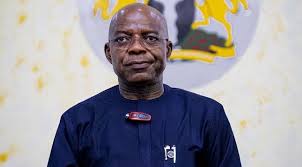
So imagine my surprise when, within just two weeks, Imo State Governor, Senator Hope Uzodinma, rolled out not one but multiple people-centric policies aimed squarely at cushioning the biting effects of our current economic debacle.
If you’ve been paying attention to national events, and it’s hard not to, given how the economy has become a daily battle for survival, you’ll agree that we are in the thick of a financial storm. The cost of living has skyrocketed, inflation is running wild, and even basic necessities are increasingly out of reach for the average Nigerian. Against this backdrop, any action that lightens the load, even slightly, feels like a cool breeze on a sweltering day. But Governor Uzodinma didn’t just offer a breeze; he turned on the fan.
Let’s start again, with his directive to abolish unnecessary graduation ceremonies in schools below the tertiary level. Some might brush this off as inconsequential, but I beg to differ. Every year, thousands of families are forced to spend on elaborate ‘graduations’ for pupils moving from Nursery to Primary 1 or Primary 6 to JSS1 or from JSS3 to SS1 or end of SS3 — transitions that, in truth, require no ceremonial excess.
Gowns, cakes, food and drinks, matching outfits, photography sessions… the costs pile up, and parents, in a bid to not be ‘the odd ones out,’ often bend over backward to meet these unspoken societal demands.
When I first heard the policy, I chuckled. Finally, someone in power had called it what it is: immaterial and unnecessary wastage of financial resources. In a country where many parents are already struggling to pay fees and feed their children, this move was not only thoughtful. It was revolutionary.
Then came another small but significant directive: the abolishment of compulsory annual purchase of schoolbooks by parents. This has been a burden to parents. Why should a 2024 English Language textbook not be suitable for use in 2025 when the curriculum hasn’t changed?
But the real game-changer? The one that made me sit up straight and reread the headline? That was the announcement on August 26, 2025, via TVC News, when Governor Hope Uzodinma declared an increase in the minimum wage for Imo State civil servants to ₦104,000. You read that right: One hundred and four thousand naira!
I paused. I blinked. I cross-checked the date.
This wasn’t April Fool’s Day. It was real. A sitting governor in Nigeria had raised the minimum wage by nearly 25 percent—unapologetically and without waiting for federal directives.
And perhaps even more impressively, he linked this raise to an increase in the state’s Internally Generated Revenue (IGR). That’s right— no loans, no federal bailouts. Just better revenue generation, smart economic planning, and the political will to prioritise workers’ welfare. That’s leadership.
I’ve often said that Nigeria doesn’t suffer from a lack of resources. What we lack, more often, is resourcefulness. What we lack is the political will and courage to make decisions that truly reflect the needs of the people. Governor Uzodinma’s wage increase is not just a bump in salary; it’s a statement. A bold, confident declaration that civil servants deserve to earn a living wage, and that it’s possible to achieve this with good governance.
But while I applaud the Imo State government for this stride, I cannot help but widen the lens. The question now is not just what one state has done. The Federal Government should take a leaf out of Imo State’s book to do the same.
Rather than increasing the take-home pay of political office holders, the Federal Government should further shore up the minimum wage of Nigerian workers.
Already, some state governments like Edo State have taken commendable steps to rein in exploitative school practices by private proprietors. These scattered sparks of progressive governance must now become a nationwide blaze.
I trust that my indefatigable governor, Senator Monday Okpebholo, will also follow this progressive path. He is a breed apart. He walks the talk. The governor is indeed working for the good of all in the state. His battle against kidnappers and cultists is unprecedented.
The revitalisation of the once-defunct Edo Line Transport Service; the swift response in suspending the nefarious activities of touts (agberos) that had been terrorising and exploiting commercial drivers leading to a hike in transport fares in some parts of Benin City, along with the ambitious redesign of Benin City, highlighted by the construction of the state’s first-ever flyover are strong indications of his determination to transform Edo State for the better.
These progressive initiatives underscore the essential role of sub-national governments in driving social and economic change. Yet, while state governments are making strides, the federal government must also rise to the occasion. It is high time that the federal authorities followed the examples set by leaders like Governor Uzodinma by increasing the national minimum wage.
An increase in the minimum wage is more than just a numbers game. It is about the dignity of work, the ability of workers to provide for their families, and the broader economic health of the nation. Nigeria is currently grappling with inflation rates that continue to erode the purchasing power of ordinary citizens. Many workers, especially in the public sector, find themselves unable to meet basic needs despite being employed.
The implications of this wage stagnation are severe. When workers cannot afford essentials such as food, housing, healthcare, and education, the social fabric of the nation begins to unravel. Productivity declines, social unrest can rise, and the gap between the rich and poor widens, deepening inequality.
In this context, increasing the minimum wage is a vital tool for poverty alleviation and economic stabilisation. It ensures that workers receive fair compensation reflective of current economic realities. Moreover, higher wages tend to boost consumer spending, which can stimulate local economies and encourage business growth.
Governor Hope Uzodinma’s example demonstrates that with increased internally generated revenue, states can afford to enhance workers’ salaries. If states can manage their finances prudently and improve revenue collection, it stands to reason that the federal government that is commanding a larger resource base should be able to do the same on a national scale.
The federal government must recognise that the well-being of its workers is intrinsically linked to national development. A motivated and well-compensated workforce is essential for effective governance, security, and the delivery of public services. Therefore, the call for an increase in the minimum wage at the federal level is not merely about political goodwill; it is an economic necessity.
It is encouraging to see some federal ministries and agencies beginning to revisit the welfare of their staff. However, a structured, nationwide minimum wage review, aligned with inflation and cost-of-living indices, is urgently needed. This adjustment would bring relief to millions of Nigerian workers, fostering a more productive and engaged public service.
The federal government should also take lessons from the innovative policies implemented by states like Imo and Edo. Abolishing unnecessary financial burdens such as redundant ceremonies or exploitative fees can significantly ease the economic pressure on families.
It is important to acknowledge the challenges inherent in raising the minimum wage. Critics often argue that wage hikes could lead to increased government spending, inflationary pressures, or budget deficits. While these concerns are valid, they should not be used as excuses to neglect the urgent needs of workers.
Instead, the government should approach wage reforms with careful planning and sound fiscal policies. Increasing internally generated revenue, reducing wastage, tackling corruption, and diversifying the economy are essential strategies that must accompany wage increases. This balanced approach ensures sustainability and long-term benefits for the country.
Moreover, wage increases must be accompanied by accountability and transparency in public spending to ensure that funds are effectively utilised to improve service delivery and infrastructure.
Governor Hope Uzodinma’s recent actions in Imo State reflect a commendable shift toward compassionate, people-oriented governance. By abolishing unnecessary financial burdens and increasing the minimum wage by 25 per cent, he has sent a powerful message that the well-being of citizens must be a priority, especially in difficult economic times.
These policies should serve as a clarion call for other state governments and, most importantly, the federal government to adopt similar measures. Increasing the minimum wage at the national level is a crucial step toward economic recovery, poverty alleviation, and social stability.
Nigeria’s economic challenges are formidable, but they are not insurmountable. With visionary leadership, fiscal discipline, and a genuine commitment to the welfare of the people, Nigeria can overcome these hurdles. It is time for the federal government to rise to the occasion, heed the lessons from states like Imo, and perhaps soon, Edo, and make a decisive move to increase the minimum wage for all Nigerian workers.
In doing so, the nation will not only boost the morale of its workforce but also set the foundation for a more equitable, prosperous, and stable Nigeria.
_______________
Odaro, a columnist, lectures in the Department of Mass Communication, Auchi Polytechnic, Auchi.