…As African lawmakers unite to curb $587bn revenue leakages
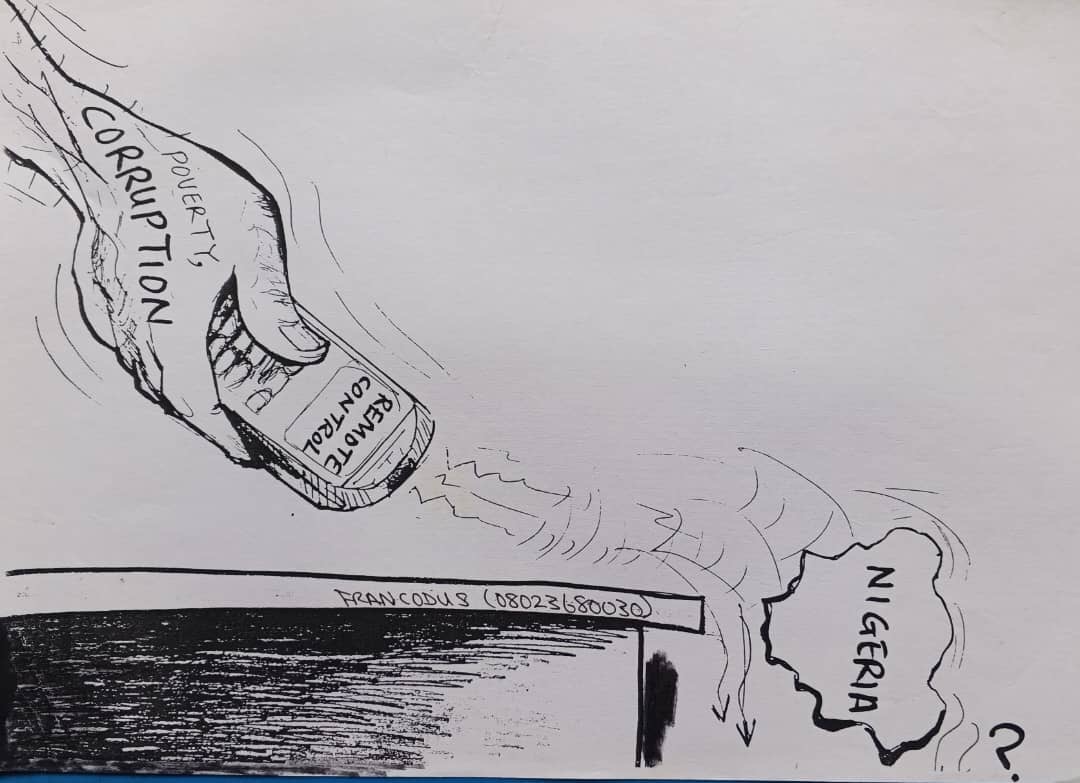
ABUJA – The House of Representatives has raised the alarm that Nigeria loses about $18 billion every year, equivalent to 3.8 percent of the nation’s Gross Domestic Product (GDP), to corruption in public procurement processes, warning that such losses deprive citizens of critical social services.
Speaker of the House, Hon. Tajudeen Abbas, disclosed this on Monday at the 8th Conference of the African Network of Parliamentary Budget Offices (AN-PBO), held in Abuja, where lawmakers from 16 African countries met to deliberate on fiscal accountability and legislative reforms.
Countries represented at the AN-PBO conference include Nigeria, Ghana, Kenya, Uganda, South Africa, Tanzania, Namibia, Zimbabwe, Malawi, Mozambique, Liberia, Gambia, Sierra Leone, and Cape Verde
Abbas said the staggering Nigerian figure was part of a broader African challenge, citing African Development Bank (AfDB) data that the continent loses over $587 billion annually to capital flight, corruption, illicit trade, mispricing, and profit shifting by multinationals.
“Corruption alone drains about $148 billion each year, while illicit financial flows, such as trade malpractices and smuggling, siphon away additional tens of billions. This is money that should be used to build roads in Lagos, equip hospitals in Nairobi, or improve schools in Accra,” he said.
The Speaker stressed that effective oversight and evidence-based budgeting are essential to stopping the haemorrhage.
“There is a need to stop such leakages so that budgets can lead to better outcomes for citizens. That is why we have been increasing oversight hearings, audit inquiries, and strengthening anti-corruption laws,” he stated.
He lamented that many African parliaments lack the institutional capacity to properly scrutinise fiscal policies, underscoring the role of Parliamentary Budget Offices (PBOs) in closing the gap.
To this end, Abbas reaffirmed Nigeria’s commitment to establishing the National Assembly Budget and Research Office (NABRO) as an independent, non-partisan agency to provide lawmakers with reliable fiscal analysis, similar to the U.S. Congressional Budget Office.
“Let me assure this audience that the National Assembly is fully committed to NABRO’s realisation, full funding, and independence. We envisage NABRO as a catalyst for evidence-based budgeting,” he declared.
He also revealed that beyond NABRO, the National Assembly is advancing wider fiscal reforms, including amendments to the Fiscal Responsibility and Finance laws, as well as empowering Public Accounts Committees to act decisively on audit findings.
Clerk to the National Assembly, Barrister Kamoru Ogunlana, in his remarks, described the Abuja meeting as a vital platform for peer learning and institutional strengthening.
“I encourage us all to use this conference not only as a platform for exchange, but as a springboard for innovation and renewed commitment to fiscal responsibility,” Ogunlana said.