BY IDAHOSA MUSA
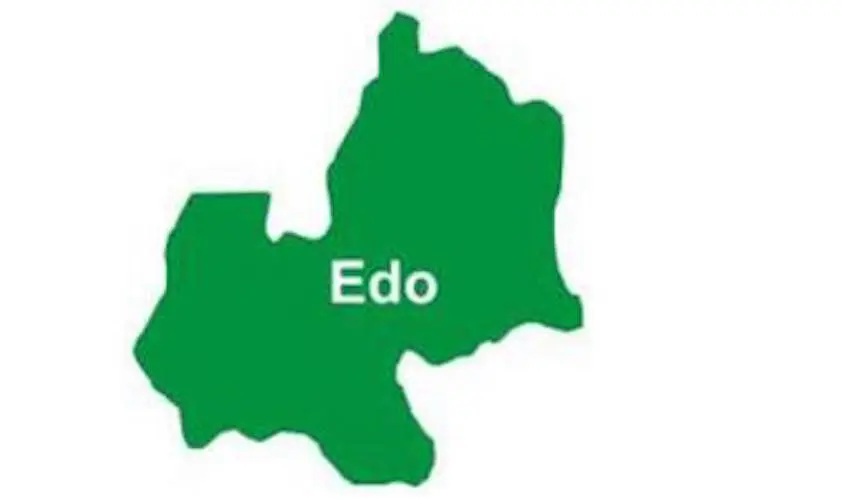
BENIN CITY – Stakeholders in Edo State have expressed concern over what they described as the state’s continuous loss of revenue to neighbouring Delta State through taxation.
The concern was raised at a stakeholders’ meeting organised by the Edo State Internal Revenue Service (EIRS) in Benin City.
The one-day interactive session had in attendance top government functionaries, as well as heads and representatives of ministries, departments and agencies.
Managing Director of the Edo State Traffic Management Agency, Engr. Stainless Ijeghede, said he had repeatedly reported that taxes of oil company workers in parts of Edo were being paid to Delta State, but no action had been taken.
“When I was working at that place, at the end of the month, I saw in my pay slip that the tax was paid to Delta,” Ijeghede said.
“What that means is that those who work in Oben pay their taxes to the Delta State Government.”
The Attorney General and Commissioner for Justice, Dr. Samson Osagie, corroborated the claim, noting that although many Deltans migrated into Edo State as settlers, the movement of indigenes to urban centres enabled such settlers to claim ownership of disputed areas, leading to revenue losses for Edo.
He disclosed that several meetings on the boundary issues had been held, with adjustments made, and called on the National Boundary Commission to ratify the demarcations in order to end the trend.
Osagie also revealed that his ministry was proposing a Revenue Court Law to create specialised courts for trying tax offenders.
“There is the need for a Revenue Court Law that will provide a specific court to try offenders.
“The whole idea is to ensure that the entire gamut of our tax system is structured in a way that enforcement and prosecution of offenders are easier,” he said.
“As I speak, we are proposing a draft, using our neighbouring Delta State as a model, so that all tax offenders in Edo can be tried quickly and decisively.”
Earlier, in his address, the Executive Chairman of the EIRS, Barr. Oladele Bankole-Balogun, said that while progress was being made in revenue collection, there was still a need for stronger collaboration among stakeholders so as to expand Edo’s revenue base.
He emphasised that the adoption of a Single Treasury Account (STA), already being institutionalised in the state, was a fundamental tool for achieving transparent resource management.
According to him, the STA would ensure centralised collection of revenue, eliminate cash handling, reduce leakages and enhance accountability.
“So, going forward, we want to encourage that all revenue streams be remitted into the state’s Internally Generated Revenue account with proper digital records and accountability,” Bankole-Balogun said.
“Remember that revenue is not an end in itself. It is a means for government to provide better roads, stronger health systems, vibrant education and safer communities.”
He added that the state was awaiting the implementation of the new national tax law, which Edo would key into once it comes into effect.