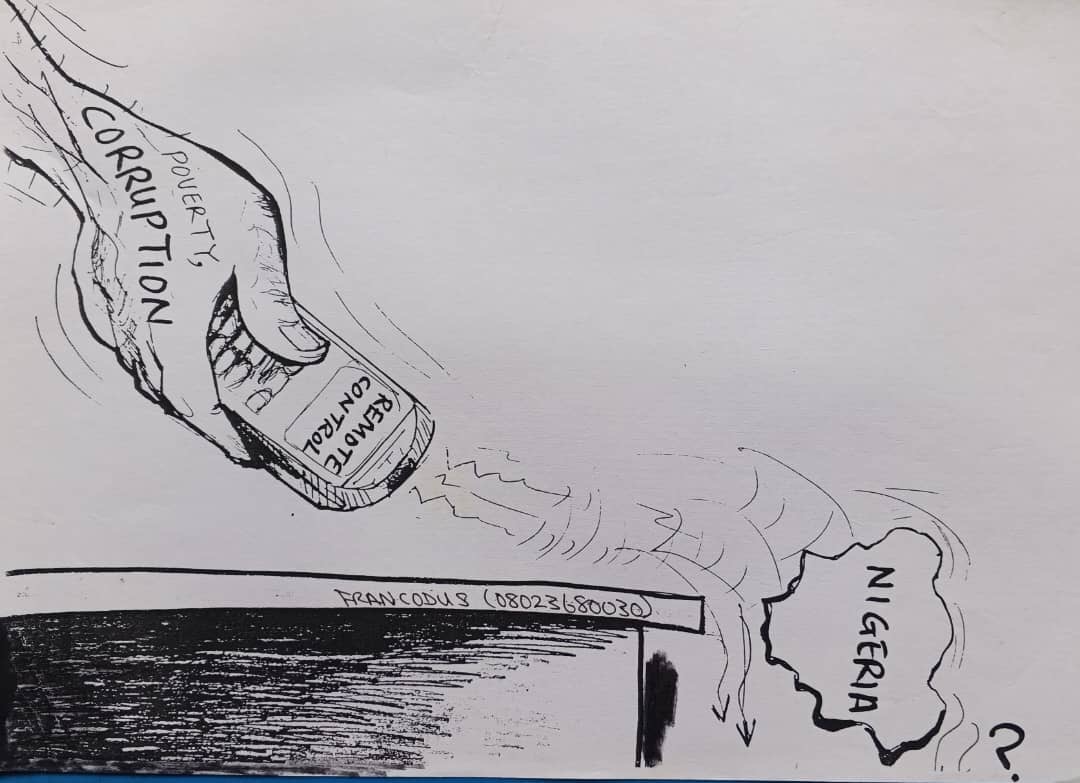
ENUGU – The Institute for Development Studies (IDS), University of Nigeria (UNEC), EnuguCampus, and ActionAid Nigeria have stressed that poverty reduction in the country is possible if governments at all levels address inequality, corruption, and injustice.
They made the call during a Colloquium on Poverty organised by IDS to mark the International Day for the Eradication of Poverty, themed “Acting Together to End Poverty,” on Monday in Enugu.
Speaking at the event, ActionAid Country Director, Mr. Andrew Mamedu, said government must reinvest in people to end poverty in Nigeria, adding that health, education, and social protection must be treated as fundamental human rights, not acts of charity.
Represented by ActionAid’s Head of Programmes, Mr. Celestine Odoh, Mamedu identified systemic weaknesses, poor domestic resource mobilisation, inflation, food insecurity, and inequality in access to public services as major causes of poverty.
“Our extractive industries — oil, gas, and minerals — hold both risks and opportunities. If well governed, they can generate revenue, jobs, and climate-resilient infrastructure. But if mismanaged, they will continue to fuel poverty and exclusion,” he said.
He urged Nigerians to demand governance that prioritises the people and to ensure that national resources serve the public good.
Director of IDS, Prof. Ben Nwosu, said the United Nations designated October 17 as World Poverty Eradication Day since 1992 due to the scale of global poverty.
He noted that as of 2025, about 808 million people, or 9.9 percent of the world’s population, live in extreme poverty, while 139 million out of Nigeria’s 215 million citizens are poor, representing 65 per cent of the population.
“In IDS, we constantly reflect on challenges around access to food, healthcare, safe water, education, basic infrastructure, and security. Sadly, these indicators continue to worsen,” Nwosu lamented.
He commended ActionAid for its collaboration and commitment to development research and poverty reduction.
Chief of Field Services, UNICEF Nigeria, Mrs. Judith Leveillee, said no child should grow up in poverty, adding that tackling poverty requires holistic systems that empower families and protect the vulnerable.
“We are committed to supporting families and governments in building inclusive systems that not only measure poverty but actively reduce it,” she said.
Delivering the keynote address, Chief Economic Adviser to Abia State Governor, Dr. Friday Ohuche, said that poverty persisted because the rich and political leaders were detached from the poor, urging governments to identify and address the root causes through empowerment.