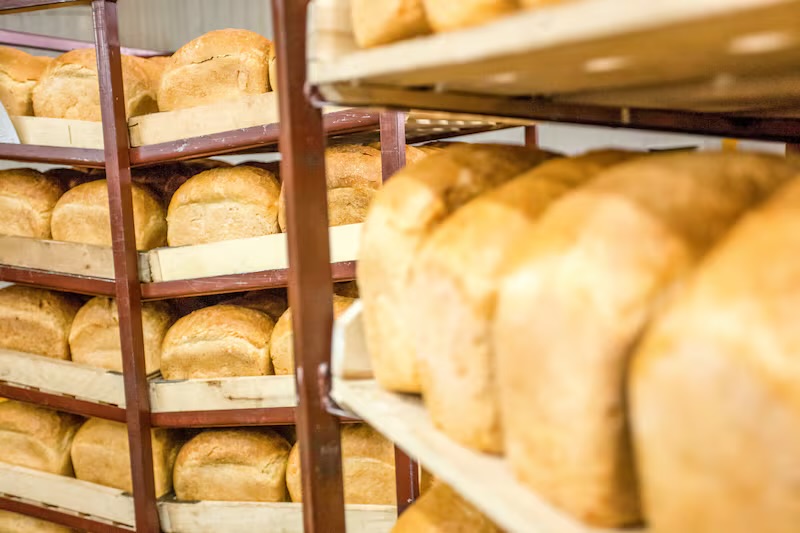
In every society, there are certain foods that symbolise survival. They are not delicacies; they are necessities. Bread is one such food. It is meant to be cheap, and within the reach of the poorest household.
Bread carries an ancient story, woven into sacred history — the tale of how Jesus Christ fed a multitude with five loaves and two fishes. From time immemorial, bread has stood as a humble yet enduring sustenance, a timeless food, simply made and easily accessible, nourishing both body and spirit across generations.
In Nigeria today, however, bread has been stripped of this social character. What ought to be the cheapest food on the table has become an emblem of economic injustice and a painful reminder of how far the Nigerian consumer has been pushed to the margins.
There is a disturbing economic pattern in Nigeria that has become so normalised that many citizens now accept it with weary resignation: when the cost of major raw materials rises, the prices of finished products immediately skyrocket; yet when those same input costs fall, the prices of the final goods stubbornly refuse to come down.
A 50-kg bag of flour, which reportedly sold for about ₦80,000 a few months ago, now goes for approximately ₦58,000. Despite this significant reduction in input costs, many bakeries have failed to adjust the price of bread accordingly, even though flour remains its primary raw material.
This asymmetric pricing culture finds its clearest and cruellest expression in the bread industry. Here, price increases are swift and unforgiving, while price reductions are virtually non-existent.
Bread is not merely another commodity. For millions of Nigerians, it is breakfast, lunch, and sometimes dinner. It fills the gap when garri, rice, yam, or beans are unaffordable. Students rely on it, labourers survive on it, and families turn to it when economic hardship tightens its grip. When bread becomes expensive, hunger is no longer abstract; it is immediate and visible.
For years, bakers have justified the rising cost of bread by pointing to the price of flour. They cite foreign exchange volatility, import dependency, energy costs, transportation, and logistics. Whenever the price of flour rises, the response from bakers is instant. Bread prices go up overnight, and loaf sizes are quietly reduced. The adjustment is swift, decisive, and non-negotiable. Consumers are expected to understand, empathise, and comply, regardless of their own shrinking incomes.
Yet, when the cost of flour declines as it has done at various points, the promised relief by the bakers’ Association never comes. Bread prices remain fixed at their inflated levels, and the reduced loaf sizes are rarely, if ever, restored. The same bakers who once pleaded economic hardship suddenly fall silent. No explanations are offered, no apologies tendered, and certainly no reductions implemented. What was presented as a temporary response to rising costs becomes a permanent burden on the consumer.
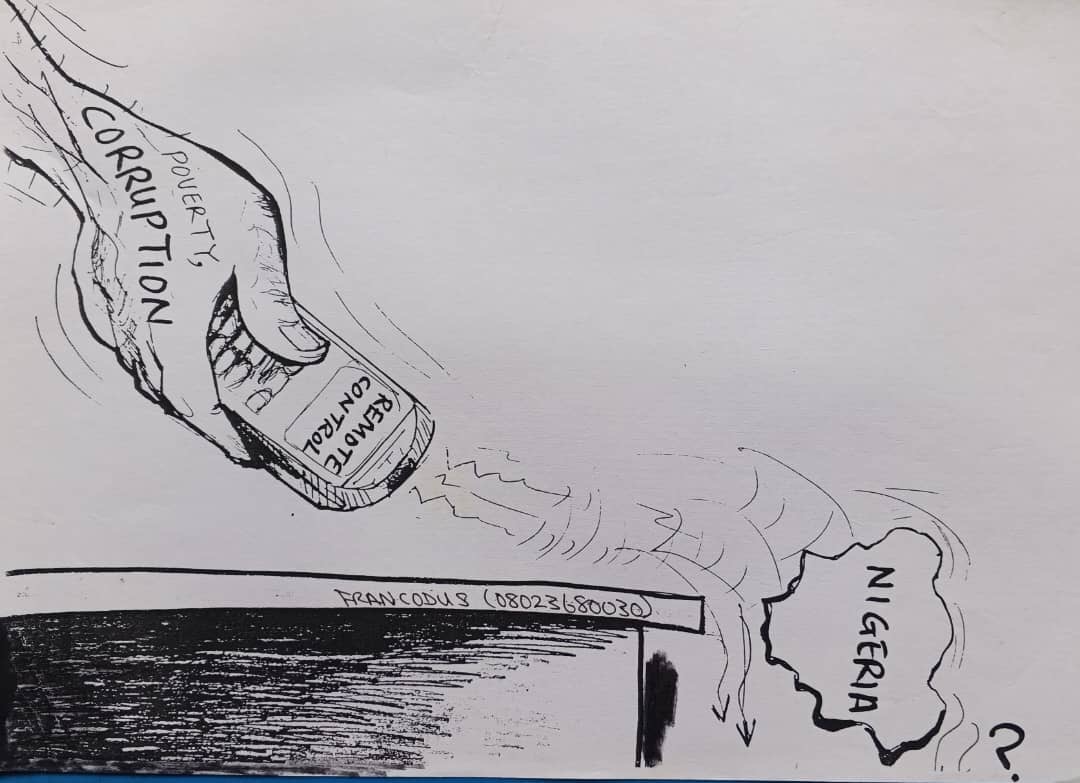
Undoubtedly, Nigerians are quick to blame their leaders for the country’s economic distress, largely due to ineptitude and corruption; however, the hardship is further compounded by the conduct of many local businessmen who, driven by parochialism, refuse to lower their prices even when the cost of their major raw materials falls, thereby deliberately passing avoidable suffering onto consumers.
This is the real tragedy of bread pricing in Nigeria. Increases are treated as permanent, while reductions are treated as optional. Bread, which should reflect the ebb and flow of input costs more than most foods, becomes trapped in a one-way pricing system that only favours producers. The poor, who depend on bread the most, suffer the worst consequences.
The suffering is compounded by the fact that wages do not rise as quickly as bread prices. The average Nigerian worker earns the same salary whether bread costs five hundred naira or two thousand naira per loaf. There is no automatic adjustment, no cushioning mechanism. Families are forced to buy smaller loaves, reduce consumption, or eliminate bread entirely from their meals. Hunger quietly enters homes under the guise of economic adjustment.
What makes this exploitation particularly troubling is the absence of effective regulatory intervention. Nigeria is not without consumer protection institutions. On paper, agencies exist to monitor prices and protect citizens from unfair trade practices. In reality, these bodies are either underfunded, compromised, or largely invisible. Bread prices are left to the discretion of bakers and their associations, with little regard for fairness or public interest.
Consumer protection agency established to safeguard consumers, is scarcely felt in the daily realities of bread buyers. There are no clear benchmarks, no transparent cost reviews, and no enforcement mechanisms that compel bakers to pass cost reductions to consumers. The result is a bread market governed by impunity, where exploitation flourishes unchecked.
Bakers often defend themselves by pointing to their own challenges: high energy costs, poor infrastructure, insecurity, multiple taxes, and policy inconsistency. These challenges are real and undeniable. However, they do not justify a system where every increase is immediately transferred to consumers, while every reduction is quietly absorbed as profit. Economic hardship cannot become a licence for moral indifference.
The moral dimension of bread pricing cannot be ignored. Bread is not cement or luxury goods; it is food. Profiteering from hunger reflects a deeper crisis of values, where survival instincts have eclipsed empathy. A society that allows its most basic food to become unaffordable for the poor is a society flirting with social breakdown.
The psychological impact is equally severe. Nigerians increasingly believe that prices only move in an upward direction. This perception breeds frustration, anger, and helplessness. Bread queues shrink, not because hunger has reduced, but because people can no longer afford to eat their fill. What was once a daily staple becomes an occasional indulgence.
This reality also erodes trust in economic reforms. When officials announce improvements in supply chains or reductions in input costs, citizens are sceptical. Experience has taught them that such gains rarely translate into cheaper bread. The disconnect between policy and lived experience deepens cynicism and weakens faith in governance.
In a properly regulated and competitive economy, bread prices would respond to changes in flour costs, energy prices, and logistics. Efficiency gains would benefit consumers, not just producers. What Nigeria experiences instead is a distorted market where risks are transferred to the public, while profits are privatised.
Consumer advocacy in Nigeria remains weak. Complaints are scattered, poorly organised, and easily ignored. Social media outrage flares briefly and dies out, leaving structural problems untouched. Without strong institutions and legal enforcement, bakers face little pressure to change exploitative practices.
Government must therefore rise above rhetoric. Active market surveillance, transparent pricing frameworks, and enforceable consumer protection laws are urgently needed. Bread pricing should not be left entirely to private discretion when it directly affects food security and social stability.
Bakers, too, must reflect on their social responsibility. Businesses do not operate in a vacuum. Communities sustain them, and trust keeps them alive. Short-term profit gained from exploiting hunger undermines long-term social cohesion and economic sustainability.
For Nigeria to move forward, bread must return to its rightful place as the cheapest food on the table. When flour prices rise, adjustments may be unavoidable; when they fall, relief must follow. Anything less is economic injustice.
The plight of the Nigerian consumer, as reflected in the price of bread, is both an economic and moral issue. A nation that allows its people to struggle endlessly for basic sustenance risks breeding anger, apathy, and instability.
Until bread prices are allowed to fall as easily as they rise, until regulators act with courage, and until bakers recognise the humanity of their customers, the suffering of Nigerian consumers will persist. The demand for fairness is not radical; it is fundamental.
In the end, an economy that cannot guarantee affordable bread is not merely inefficient, it is unjust. And no society can sustainably thrive on injustice.
____________________
Odaro, a columnist, lectures in the Department of Mass Communication, Auchi Polytechnic, Auchi.