… APC fires back
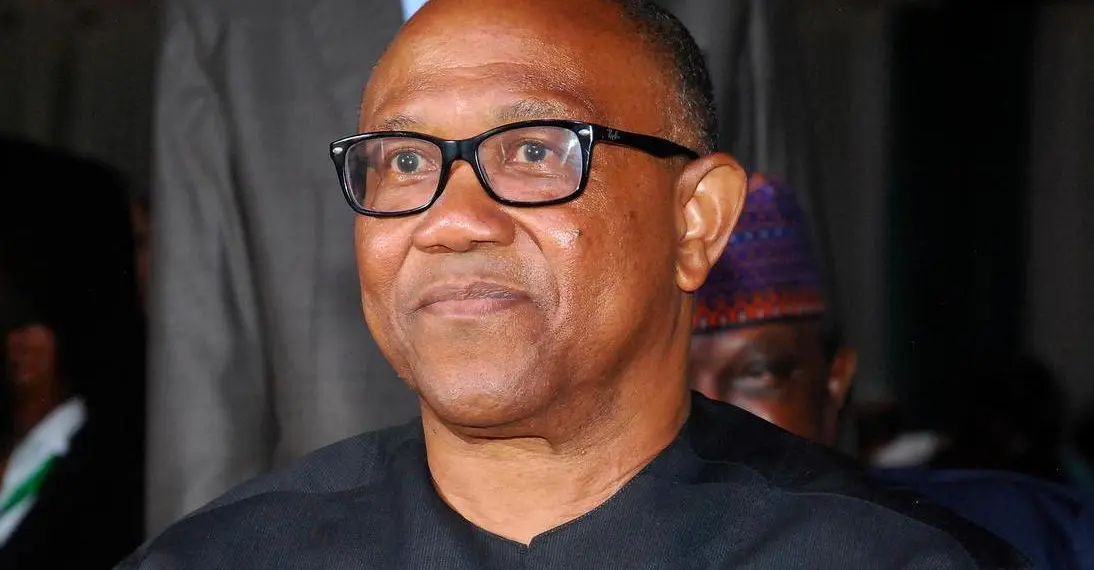
ENUGU/LAGOS: Nigeria’s opposition politics took a decisive turn on Wednesday as the Labour Party’s 2023 presidential candidate, Mr Peter Obi, formally defected to the African Democratic Congress (ADC), triggering fresh political realignments ahead of the 2027 general election and drawing an angry response from the ruling All Progressives Congress (APC).
Obi announced his defection at a high-powered rally held at the Nike Lake Resort Hotel in Enugu, attended by prominent political leaders from the South-East and other regions of the country.
He said the decision followed months of consultations and was aimed at building a broad-based opposition platform capable of “rescuing Nigeria” from what he described as poor governance, democratic decline and economic hardship under the APC.
Describing the move as the beginning of a new political journey, Obi said the ADC offered a credible vehicle for national renewal, inclusiveness and socio-economic development.
He accused some beneficiaries of democracy of aiding its erosion through intimidation, coercion and suppression of opposition voices, warning that such practices must not be allowed to continue.
“Today is an important day. As the last day of 2025, we are ending this year with hope that in 2026, we will begin a genuine journey to reclaim our country and rebuild it on the principles of justice, fairness and inclusiveness,” Obi said.
The Enugu rally underscored the scale of the opposition realignment, with several heavyweight politicians publicly adopting the ADC.
Among them were former National Chairman of the Peoples Democratic Party, Dr Okwesilieze Nwodo; former Deputy Speaker of the House of Representatives, Mr Emeka Ihedioha; former Imo State Governor, Mr Achike Udenwa and Senators Victor Umeh, Enyinnaya Abaribe, Sam Egwu, Tony Nwoye, Gilbert Nnaji and Ben Obi, alongside serving and former members of the National Assembly.
Other notable figures present included, Chief Onyema Ugochukwu, Mrs Josephine Anenih, former Senate President and ADC National Chairman, Senator David Mark, and former Sokoto State Governor, Senator Aminu Tambuwal, lending weight to the party’s ambition to forge a truly national opposition coalition.
Senator Ben Obi said South-East leaders had resolved that their collective political future was best pursued within the ADC, calling on other opposition parties and political actors to collapse their structures into the platform in the interest of national unity and effective opposition.
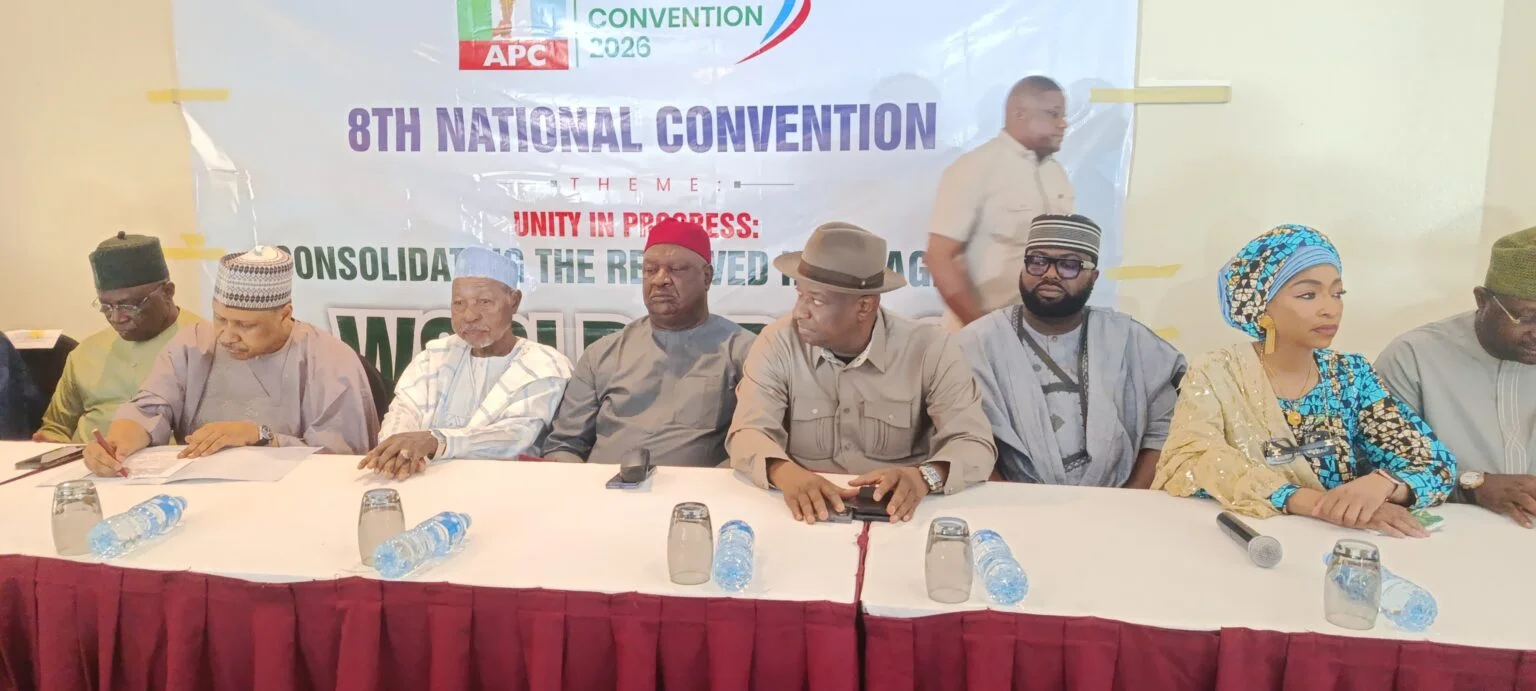
The defection immediately provoked a sharp reaction from the APC, which accused Obi of hypocrisy and political inconsistency.
In a statement issued by its Lagos State spokesman, Mr Seye Oladejo, the ruling party said Obi’s move stripped him of the moral authority on which he built his political brand, alleging that Obi had embraced the same political establishment he previously criticised.
According to the APC, Obi’s defection confirmed what it described as a pattern of “political promiscuity masquerading as principle,” adding that the ADC coalition was driven more by personal ambition and convenience than by ideas or ideology.
The party also accused the emerging coalition of silence on terrorism and violent extremism, insisting that such silence was dangerous and unacceptable.
The APC maintained that President Bola Tinubu’s administration remained focused on governance, economic stabilisation and institutional rebuilding under the Renewed Hope Agenda, expressing confidence that Nigerians would reject opposition alliances lacking clear programmes and credibility.
Meanwhile, a youth groups, The Nigerian Youths for Atiku aligned with the opposition, hailed Obi’s defection as a signal of deeper political shifts ahead of 2027.
The group said that the next general election would witness “unusual political developments,” fuelled by changing alliances and increased participation by youths and women disillusioned with the status quo.
Its Director General, Mr Dare Dada, said the ADC coalition was bigger than individual personalities such as Obi or former Vice President Atiku Abubakar, noting that it now comprised multiple political blocs with nationwide reach.
He argued that growing political consciousness among Nigerians could reshape electoral outcomes, warning that familiar political calculations might no longer hold.