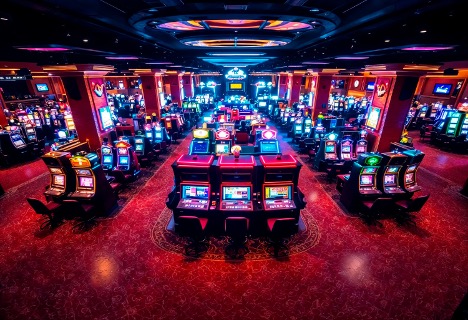
Casino operations in Nigeria are entering a new phase marked by economic pressure, technological change, and evolving consumer expectations. While the country’s gaming sector remains smaller than its sports betting market, casinos are gradually adapting their business models to remain relevant within a competitive entertainment environment. As Focus Gaming News has observed, these adjustments are shaping how casinos position themselves in Nigeria’s broader leisure and tourism economy.
Regulatory influence on casino operations
Regulation continues to play a defining role in how casinos operate. Oversight by the National Lottery Regulatory Commission (NLRC) sets the framework for licensing, compliance, and consumer protection. In recent years, regulatory attention has focused on:
- Strengthening licensing standards to ensure transparency and accountability.
- Promoting responsible gambling measures across gaming venues.
- Monitoring financial transactions to align with national compliance requirements.
These measures are designed to encourage sustainable growth while protecting players and investors alike.
Economic pressures and operational efficiency
Nigeria’s broader economic conditions have had a direct impact on casino operations. Rising operational costs, fluctuating consumer spending power, and currency challenges have forced operators to reassess their strategies. In response, casinos are focusing on:
- Cost optimisation, including more efficient staffing models.
- Diversifying revenue streams beyond traditional table games.
- Targeting high-value customer segments through tailored experiences.
Operational efficiency has become essential for long-term viability in an increasingly competitive market.
Technology as a driver of adaptation
Digital transformation is no longer optional for casino operators. Technology is being used to modernise operations and improve the overall player experience. Key areas of adoption include:
- Cashless payment systems, reflecting Nigeria’s growing digital payments ecosystem.
- Enhanced security and surveillance tools to meet international standards.
- Data-driven insights that help operators understand player behaviour and optimise floor layouts.
These innovations allow casinos to operate more efficiently while aligning with the expectations of a tech-savvy audience.
Changing consumer behaviour
Today’s Nigerian casino patrons are more informed and selective. Many players now compare casino experiences with online entertainment options, raising expectations around convenience, service quality, and value. To respond, casinos are:
- Improving customer service standards.
- Introducing entertainment elements beyond gambling, such as dining and live events.
- Creating environments that appeal to both local customers and international visitors.
This shift reflects a broader trend toward integrated entertainment rather than standalone gaming venues.
Competition within the entertainment sector
Casinos in Nigeria face competition not only from other gaming venues but also from sports betting platforms, digital entertainment services, and hospitality offerings. To remain competitive, operators are repositioning casinos as part of a wider leisure experience.
Strategic responses include:
- Partnerships with hotels and tourism operators.
- Investment in premium gaming and hospitality services.
- Marketing strategies that emphasise experience rather than wagering alone.
The future of casino operations in Nigeria will depend on adaptability. Operators that successfully balance regulatory compliance, technological innovation, and changing consumer preferences will be better positioned to navigate new market realities. According to Focus Gaming News, casinos that evolve into modern entertainment destinations can still find growth opportunities within Nigeria’s developing gaming landscape.
As the industry continues to adjust, adaptability will remain the defining factor shaping the next chapter of casino operations in the country.