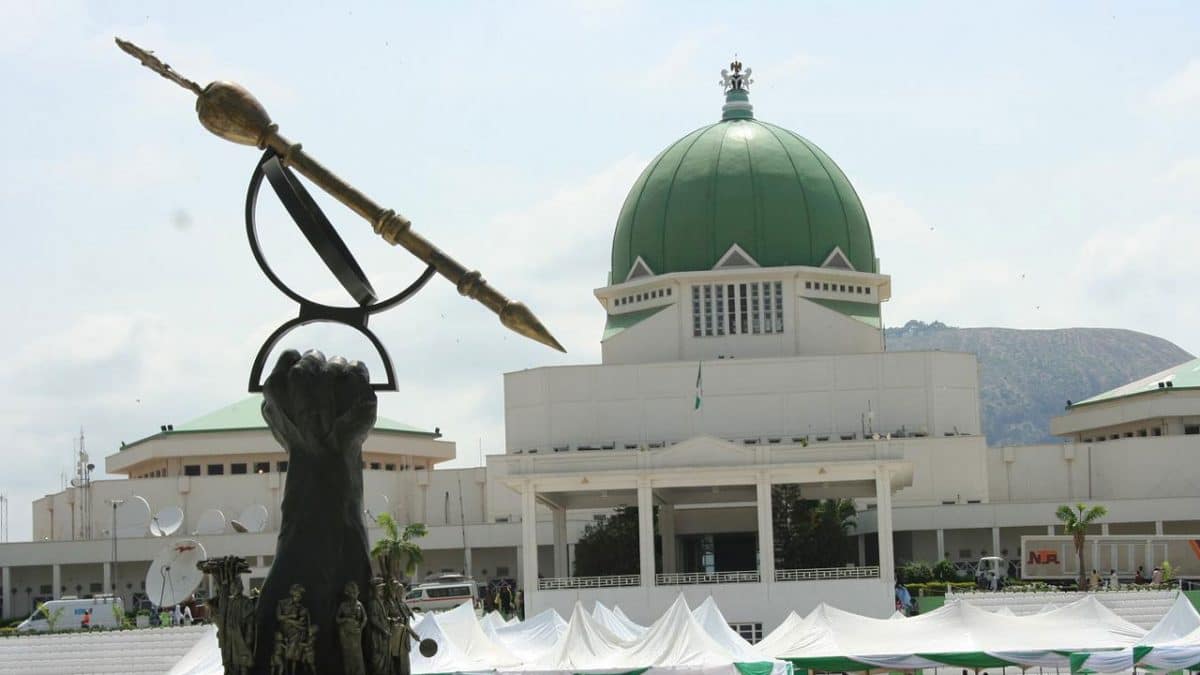
ABUJA — The National Assembly on Wednesday intensified its scrutiny of the executive over funding for Nigeria’s security agencies, criticising the envelope budgeting system, irregular release of allocations, and warning heads of Ministries,
Departments, and Agencies against habitual lateness during budget defence sessions.
Lawmakers expressed frustration over what they described as inadequate and inconsistent funding for security and intelligence agencies at a time when President Bola Tinubu has declared a national emergency on security.
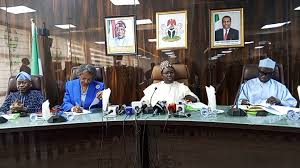
At the Senate, Chairman of the Committee on National Security and Intelligence, Sen. Yahaya Abdullahi, said it was disheartening that budgets for security and intelligence agencies were still governed by the envelope system, which he said prioritises administrative convenience over actual operational needs.
“The security and intelligence community faces unprecedented threats ranging from terrorism to kidnapping, banditry, and organised crime. Yet, their budgets remain subject to vagaries rather than real needs,” Abdullahi said.
He warned that non-release or partial release of capital allocations in 2024 and 2025 had hampered the procurement of modern equipment, undermined operational readiness, and weakened the ability of agencies to respond effectively to national security challenges.
Joining him, Sen. Orji Uzor Kalu (APC–Abia) commended security and intelligence chiefs for arriving ahead of the scheduled start time, contrasting their punctuality with the persistent tardiness of other MDA heads.
“Budget deliberations are serious matters. Delays hinder our ability to perform constitutional duties effectively,” Kalu said, cautioning that excuses linked to engagements at the Presidential Villa would no longer be entertained during the critical budget period.
The Senate also received a briefing from Mohammed Sanusi, Permanent Secretary, Special Services, Office of the National Security Adviser, who outlined operational constraints facing the intelligence community, including irregular overhead releases, non-implementation of capital appropriations, foreign service personnel shortfalls due to foreign exchange differences, inadequate operational vehicles, and rising costs of maintaining the Presidential Air Fleet abroad.
“Our humble prayer is that adequate funding be provided through a supplementary budget to ensure timely and speedy response to national security issues. No nation can grow without adequate security,” Sanusi said.
In parallel, the House of Representatives Committee on National Security and Intelligence, chaired by Rep. Ahmad Satomi (APC–Borno), described the 2026 allocations to intelligence agencies as “grossly inadequate,” noting that the ₦664.12 billion earmarked for personnel, overheads, and capital expenditure for ONSA, DSS, NIA, the Presidential Air Fleet, and the National Institute for Security Studies falls far short of operational needs.
Satomi urged the President to review and increase funding, including establishing separate budget lines for intelligence training schools similar to Armed Forces and police institutions.
Recalling oversight visits to DSS training schools in Bauchi, Lagos, and Enugu in 2024, he described the poor state of facilities as disheartening and incapable of providing world-class technical, psychological, and sociological training for personnel who risk their lives in service to the country.
Both chambers also took a tougher stance on MDA tardiness, singling out former legislators in executive positions as frequent offenders, with Abdullahi describing the warning as a wake-up call and signalling intensified legislative scrutiny of government spending. Lawmakers across both chambers called for security funding to be prioritised, stressing that national security is the foundation for development and that adequate resources are essential for Nigeria to respond effectively to escalating threats.