ABUJA: West African leaders have taken decisive steps to confront the region’s worsening security crisis, agreeing to establish a permanent framework for collective action against terrorism, violent extremism and cross-border crime.
The resolution emerged from a high-level consultative conference on Regional Cooperation and Security held in Accra, Ghana, where Heads of State and Government from Ghana, Liberia and Sierra Leone met with representatives of Burkina Faso, Mali, Mauritania, Nigeria, Senegal and Togo.
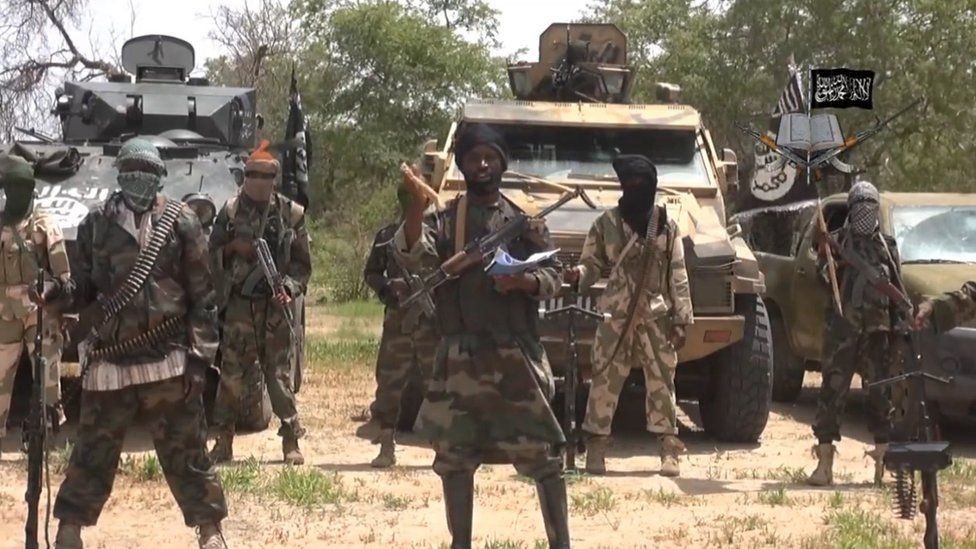
In a communiqué issued at the end of the meeting, the leaders warned that West Africa has become the global epicentre of terrorism and violent extremism, recording at least eight attacks daily and an average of 44 deaths.
They noted that more than half of all terrorism-related fatalities worldwide now occur in the sub-region.
The conference, chaired by Ghana’s President John Mahama alongside President Julius Maada Bio of Sierra Leone and Liberian President Joseph Boakai, acknowledged that inaction was no longer an option as extremist violence continues to spread across borders.
According to the communiqué made available in Abuja by Nigeria’s Minister of State for Foreign Affairs, Ambassador Bianca Odumegwu-Ojukwu, the leaders agreed that episodic diplomacy and limited coordination have proved insufficient to address the scale of the threat.
Instead, they resolved to build a structured and enduring framework for regional cooperation, aimed at developing shared security programmes, harmonised standards and joint infrastructure priorities, while managing common risks.
The leaders emphasised that West Africa’s countries are deeply interconnected through geography, trade routes, shared ecosystems and communities whose livelihoods depend largely on cross-border movement, making collective action imperative.
They further agreed that sustainable peace and security in the region must be anchored on a human-centred approach, built on regional solidarity, respect for national sovereignty and inclusive, gender-responsive peacebuilding.
On counter-terrorism, the leaders resolved to strengthen regular high-level meetings, enhance intelligence and information sharing, and harmonise legal frameworks to enable effective cross-border prosecution of terrorism-related offences, while safeguarding human rights.
They also committed to reinforcing border security through bilateral, mini-lateral and multilateral agreements, including the possible adoption of hot-pursuit arrangements to combat transnational crimes.
As part of concrete follow-up actions, the leaders agreed to design a foundational Memorandum of Understanding and protocols on Cooperation and Security within six months of the conference to serve as the basis for further agreements.
The Accra meeting brought together Ministers of Foreign Affairs, Defence and Security, intelligence chiefs, as well as partners from the African Union Commission, the United Nations Development Programme and civil society organisations.
The leaders concluded by reaffirming their collective resolve to deepen regional cooperation in addressing evolving peace, security and governance challenges, warning that failure to act decisively could further undermine stability across West Africa.