Angels and Muse proudly presented the inaugural edition of the Black Muse Art Festival in Benin City, Edo State, from November 8–12, 2025, held under the theme “Let the Forest Dance.” The festival drew its rhythm and inspiration from Wole Soyinka’s iconic play “A Dance of the Forests,” reimagining the classic work to position art as a transformative lens for reflecting on urgent contemporary issues of conservation and community. These values are deeply rooted in the traditions of the ancient Benin Kingdom and resonate across indigenous systems in Africa. Through exhibitions, performances, conversations, and communal gatherings, the Black Muse Art Festival celebrated the enduring role of art in preserving memory, shaping cultural narratives, and imagining sustainable futures.
Let the forest dance!
The inaugural theme reflected both a poetic metaphor and a cultural reawakening. In ancient Benin, sacred groves were revered as spiritual sanctuaries and ecological treasures, shielded from exploitation and destruction. These practices underscore a wisdom that resonates with our present-day urgencies: the need to protect biodiversity and re-centre communal ethos in an age where technological and economic expedience threatens both. By invoking Let the Forest Dance, the festival creates space for reflection and imagination: How can art help us listen to the voices of our environment? How might community—ancient and contemporary—become a living resource for preservation, creativity, and renewal?
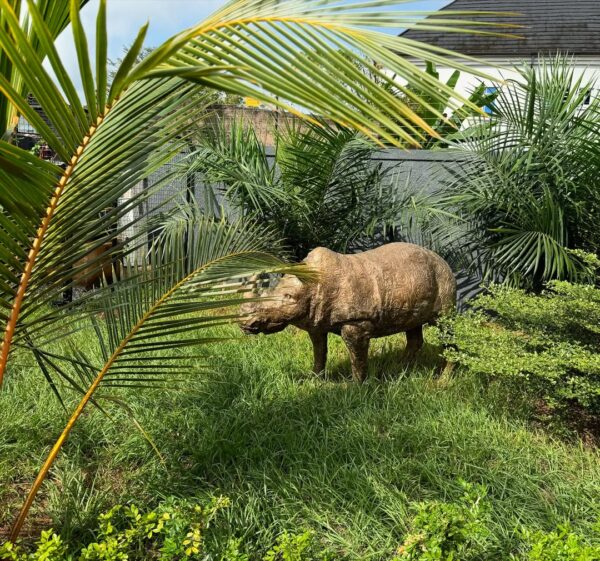
The major highlight of the festival was the unveiling of the Black Muse Sculpture Park, a landmark cultural site designed to become a hub for public art, conversation, and gathering. Featured in this park includes a bamboo pavilion, called Ázágbà, which is an Esan word for compound. This space is a striking architectural centerpiece designed by our commissioned Architect-in-Residence, James Inedu George. The pavilion will also feature stained-glass windows by Victor Ehikhamenor, infusing a play of light and colour into the pavilion.
Collaborative Audio Performance and Installation
A lyrical dialogue between sound and space, created by Grammy-nominated singer and songwriter Somi Kakoma and Prof. Josephine Abbe, Head of Theatre Arts, University of Benin. This work will explore the interconnectedness of African culture as they bring their respective indigenous to foregrounding not only the pavilion but the sculpture park in its entirety.
Sculpture Exhibition
Curated by Kenyan independent curator Renee Mboya, and under the tentative title “Today, Tomorrow, The Moon Will Still Be”, the exhibition interrogates and asks the question, What is sculpture? while exploring materiality in contemporary practice. Featured artists include: Olanrewaju Tejuosho, Osaru Obaseki, Ayobami Ogungbe, Uzor Ugoala, Kelly Omodamwen, Seidougha Linus Eyimiegha (Mr. Danfo) and David Alabo.
The Àkòròlé Residency
The festival will inaugurate the Àkòròlé Residency, a program dedicated to mid-career and established art practitioners. Àkòròlé is an Esan expression meaning to plant, gather, and eat, is both prayer and promise—a blessing of harvest, nourishment, and communal sharing. Each November, four art practitioners across different art practices and disciplines will be hosted at the Àkòròlé House to foster knowledge exchange amongst residents, deepen their practices, engage with local contexts, and contribute to global conversations in contemporary art.
Academic and Professional Collaborations
In partnership with the Department of Fine and Applied Art and the Department of Theatre Arts at the University of Benin, the festival also seeks to bridge the educational and professional art ecosystems. Programs will include conversations and panel discussions, plays, readings and live performances, student-led presentations, collaborative screenings and workshops. This partnership affirms the festival’s role as both a site of intergenerational exchange and a bridge between practice and pedagogy.
Multidisciplinary Program
Beyond its key highlights, the Black Muse Art Festival offers a dynamic range of activities designed to engage diverse audiences, including Film Screenings: Contemporary African cinema and archival rediscoveries; Concerts & Performances: Music, dance, and cross-disciplinary collaborations; Food Tastings & Presentations: Exploring food as memory, archive, and communal practice; Workshops & Masterclasses: Hands-on sessions for young and emerging artists, curators, and cultural practitioners; Community Gatherings: Spaces for dialogue, exchange, and shared celebration.