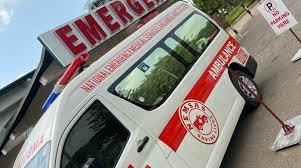
ABUJA: The Federal Government has intensified efforts to strengthen emergency medical care across the country through the National Emergency Medical Service and Ambulance System (NEMSAS), while calling for improved access and awareness of the 112 national emergency number.
The National Programme Manager of NEMSAS, Dr Emuren Doubra, disclosed this in a statement on Monday in Abuja while responding to a recent academic review of Nigeria’s emergency care system.
The review, titled “Progress in Emergency Medicine in Nigeria: Where We Are in 2025,” was published in the African Journal of Emergency Medicine. It acknowledged notable advances in emergency medicine but stressed the need for stronger collaboration between out-of-hospital and in-hospital services, as well as expanded training across all professional cadres.
According to Doubra, the commencement of residency training in Emergency Medicine marks a major milestone that will produce specialists capable of deepening integration and improving standards of care nationwide.
While the journal noted moderate gains in pre-hospital and emergency nursing training, it emphasised that more investment is required to build a resilient national emergency system. NEMSAS, Doubra explained, coordinates Emergency Medical Services nationwide and provides free emergency care to poor and vulnerable Nigerians.
He said the publication offered “a good introduction to what NEMSAS represents within the EMS ecosystem,” but added that it did not fully capture federal support to states in establishing ambulance and emergency response structures.
Doubra revealed that 33 states and the Federal Capital Territory now have EMS frameworks, with 21 states fully operational and others close to take-off. He added that each state has an emergency medical treatment gateway under the Basic Healthcare Provision Fund, though some are yet to access available support.
Addressing concerns over multiple emergency contact numbers, Doubra attributed the situation to technical limitations of the original line and low public awareness. He urged the Nigerian Communications Commission to enhance nationwide awareness and ensure seamless functionality of the 112 number across all networks, warning that inconsistent access among service providers poses serious risks during emergencies.
He also advocated the enactment of a Good Samaritan Law to protect citizens who assist accident victims, noting that some had reportedly faced harassment from law enforcement officers.
Providing impact figures, Doubra disclosed that 11,200 women with obstetric emergencies and 1,680 newborns had been transported and successfully managed at National Health Insurance Authority-empanelled facilities.
He called for deeper inter-agency collaboration and urged Nigerians to support emergency medical services with “optimism rather than negative reports and pessimism.”