ABUJA — Residents of the Federal Capital Territory (FCT) are groaning under the weight of rising food prices and service costs following a fresh hike in the pump price of petroleum products, with many calling for urgent Federal Government intervention.
A market survey across Abuja and its environs on Sunday revealed sharp increases in the prices of staple foods and basic services, largely attributed to the ripple effects of the Middle East crisis on fuel supply and pricing.
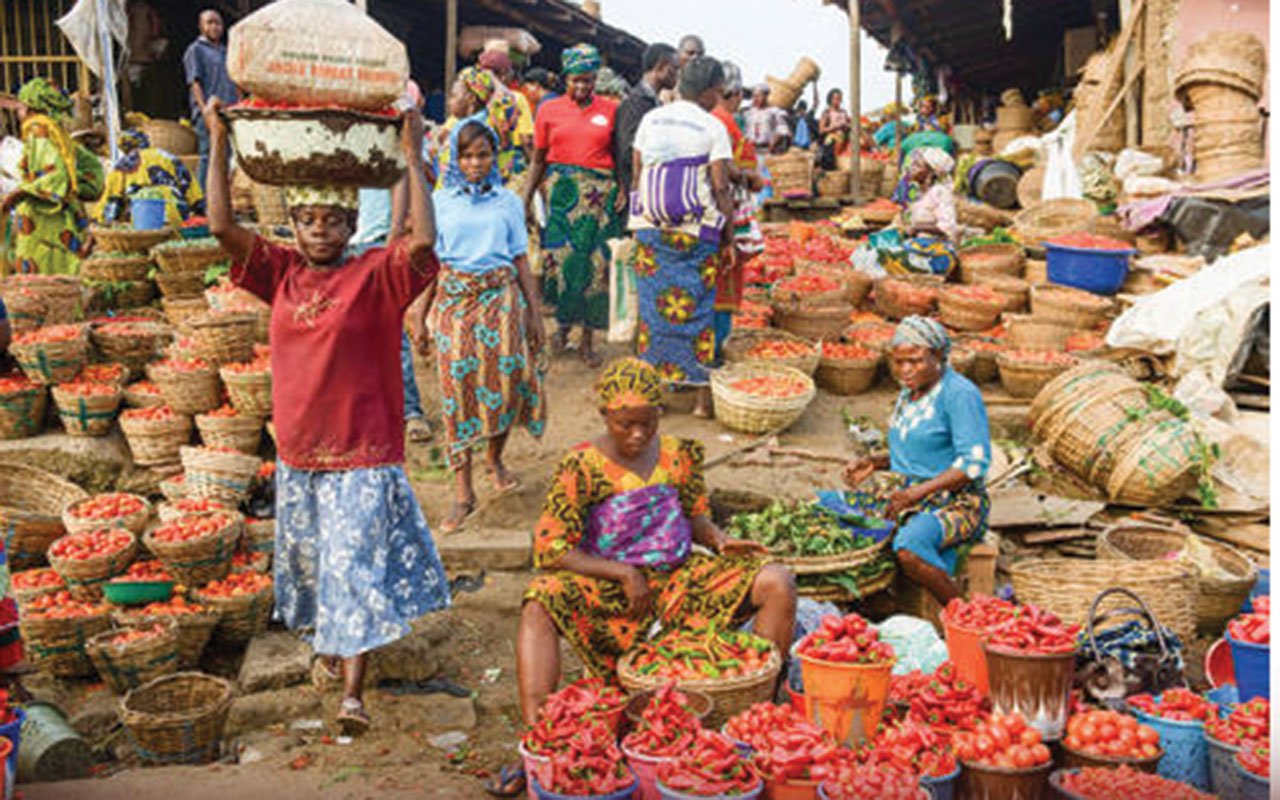
At Orange Market along the Abuja-Keffi Road, widely regarded as a major hub for bulk food trading, a large basket of tomatoes now sells for between N30,000 and N35,000, a steep rise from N9,000–N10,000 recorded in February.
A large bag of onions has also surged to between N40,000 and N45,000 from its previous range of N15,000–N25,000, while smaller baskets now go for as much as N5,000.
At Lugbe Market, the cost of a basket of sweet potatoes has doubled to between N2,000 and N2,500, while five tubers of yam now sell for between N8,000 and N10,000. Beans have not been spared, as a mudu of white beans now costs up to N1,600.
Similar trends were observed at Orozo Market, where five medium-sized tubers of yam now sell for between N8,500 and N9,000, while a mudu of brown beans has risen sharply to N1,300.
In Karu Market, tomato prices have climbed to between N38,000 and N40,000 per large basket, while pepper and tatashe have recorded significant increases. Yam prices have also risen, with five large tubers now costing as much as N15,000.
At Wuse Market, a small basket of tomatoes now sells for between N6,000 and N8,000, while pepper and tatashe prices have also increased. A large tuber of yam now costs between N10,000 and N15,000.
Utako Market has witnessed similar increases, particularly in onions and sweet potatoes, while Garki Modern Market recorded mixed trends, with slight drops in tomato prices but increases in onions and pepper.
In Nyanya Market, the price of yam has surged significantly, with medium-sized tubers now selling for between N8,500 and N9,000.
The rising cost of fuel has also impacted other sectors, particularly water production and cold storage, as operators grapple with erratic electricity supply and increased reliance on diesel-powered generators.
Mr Simon Adolo, a sachet water distributor, said the price of a bag of water has risen to between N450 and N500 due to increased diesel costs.
“Demand is high because of the hot season, but production is low due to electricity challenges. We spend heavily on diesel, and our profit margins are shrinking,” he said, urging the government to address power supply issues.
An ice-block dealer in Nyanya, Mrs Esther Gabriel, said her prices have increased from N500 to N800 due to the high cost of fuel and poor electricity supply.
Residents say the impact is becoming unbearable. At Apo Resettlement Area, a bag of sachet water now sells for as much as N500, with fears that prices may rise further.
Mrs Rosemary Akor lamented the rising cost of services, citing a recent haircut that cost her N3,000, up from N1,400 just weeks earlier.
“This is outrageous. We cannot continue like this. Something must be done urgently,” she said.
A baker in Nyanya, Mrs Rebecca Terve, said the cost of baking materials had risen across board, while yam traders blamed increased transportation costs from Benue State for the spike in prices.
Consumers like Ms Ifeoma Atuegwu say their standard of living is declining daily, urging the government to tackle rising transportation and energy costs to stabilise prices and ease the burden on citizens.