ABUJA — A total of 45 confirmed cases of Lassa fever have been recorded in Benue State, with 10 frontline health workers among the dead, as renowned Nigerian virologist, Prof. Oyewale Tomori, called for urgent and decisive national action to curb the deadly outbreak.
The fatalities in Benue include five doctors, three nurses and two support staff, underscoring what experts describe as deep-rooted weaknesses in infection prevention and control systems within health facilities.
Speaking to journalists in Lagos on Monday, Tomori urged both federal and state authorities to treat Lassa fever as a national emergency, warning that repeated outbreaks and the rising death toll reflect systemic failure rather than lack of technical capacity.
According to him, no fewer than 10 health workers have died from the disease in Benue alone, exposing frontline personnel to grave risks in what he described as “deplorable healthcare conditions”.
“Nigeria will do nothing serious, positive and sustainable to control Lassa fever until the disease directly touches the political leadership,” he said.
“Let there be a case in Aso Rock, in the legislative assemblies, in the respected judicial chambers or in one of the 36 state governors’ residences, and Lassa fever will become the national emergency tackled with no resource spared for its control.”
Tomori stressed that while Nigeria possesses the scientific expertise to manage Lassa fever, what remains lacking is political ownership and sustained implementation of control measures.
He criticised what he described as overreliance on public advisories such as hand hygiene campaigns and avoiding physical contact, arguing that such measures are insufficient without structural reforms.
“Distributing sanitisers at hospital gates and advising people not to hug or shake hands does nothing when your hospital system has become a source of infection,” he said.
He called for functional isolation wards, adequate personal protective equipment (PPE), strict adherence to infection control protocols, and routine training for health workers as long-term solutions.
Benue State Government, according to official reports, has deployed 23 health officers to contain the outbreak, even as the state grapples with mounting infections and fatalities.
Nationally, the Nigeria Centre for Disease Control and Prevention reported a spike in cases in Epidemiological Week Six of 2026, recording 74 new confirmed infections between February 2 and February 8, up from 44 cases in Week Five.
The 74 confirmed cases were reported across Taraba, Ondo, Bauchi, Edo, Benue, Nasarawa, Kogi and Ebonyi states.
Within the same reporting week, 271 suspected cases were documented nationwide, with 15 deaths recorded. The case fatality rate for confirmed cases in Week Six stood at 20.3 per cent, according to the agency’s latest situation report.
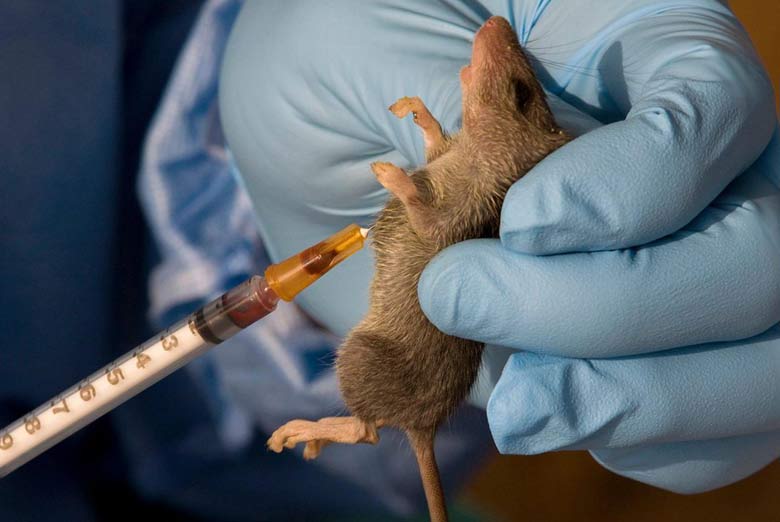
Tomori also raised concerns over inaccurate media portrayals of laboratory procedures in Lassa fever research, warning that unsafe and unethical images of animal handling could mislead the public and damage scientific credibility.
As endemic states continue to battle recurring outbreaks, he warned that Nigeria’s seasonal response pattern must give way to a robust, sustained national policy framework capable of protecting both patients and the health workers who care for them.