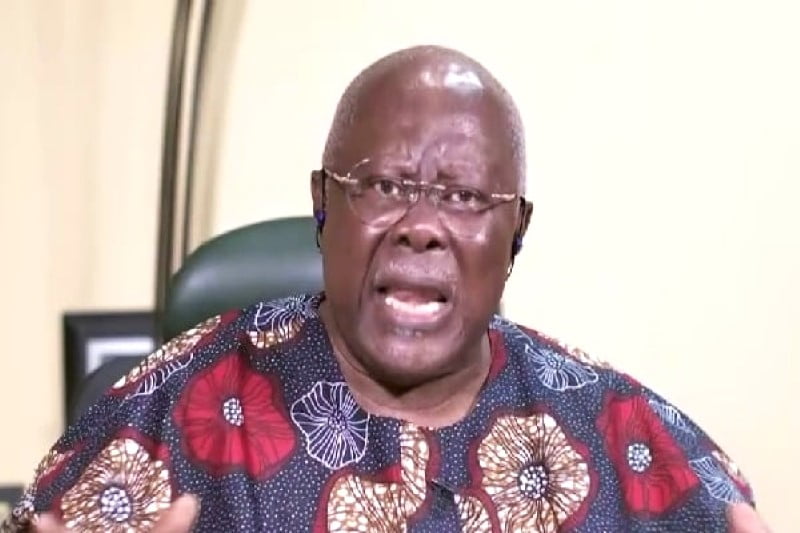
ABUJA — Nigeria is forfeiting an estimated ₦28.3 trillion in potential annual oil revenue due to its inability to take advantage of rising global crude prices, the Chairman of the Alliance for Economic Research and Ethics (AERE), Mr Dele Oye, has said.
Oye, the immediate past chairman of the Organised Private Sector of Nigeria (OPSN), said in a statement that the recent surge in oil prices, driven by the ongoing Iran war, has created a significant revenue window for producing nations, but Nigeria has been unable to capitalise on it.
He noted that Brent crude is currently trading between $102 and $114 per barrel, far above Nigeria’s budget benchmark of $64.85, creating a price premium of between $37 and $49 per barrel that could have translated into substantial fiscal gains.
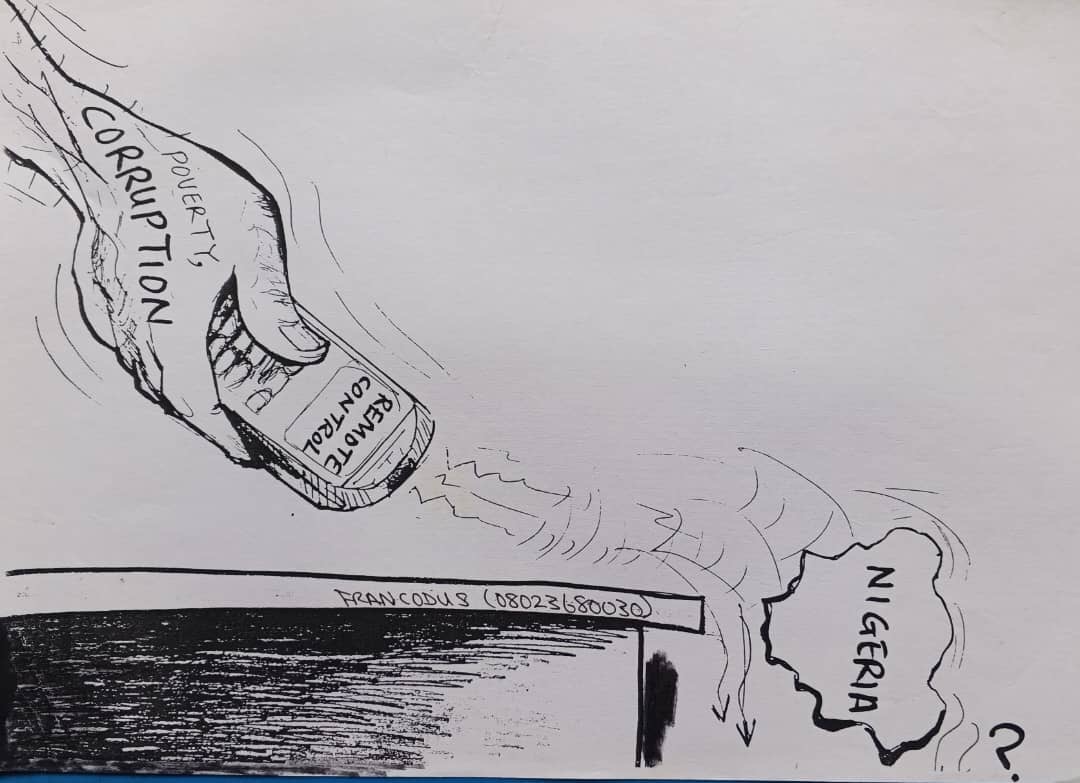
Despite this favourable pricing, Oye said the expected windfall remains largely unrealised due to persistent production shortfalls and structural inefficiencies in the oil sector.
According to him, Nigeria is currently producing about 1.46 million barrels per day, significantly below its target of 1.84 million barrels per day, leaving a daily deficit of roughly 380,000 barrels.
He explained that a considerable portion of the country’s crude oil output is already committed to debt servicing and domestic refining obligations, limiting the volume available to benefit from higher international prices.
Oye recalled that Nigeria similarly failed to maximise gains during the Russia-Ukraine conflict when oil prices exceeded $110 per barrel for an extended period, attributing the lost opportunity to low production levels and the burden of fuel subsidies.
He added that even planned incremental increases in output would have minimal impact when compared to the scale of the existing production gap.
The AERE chairman stressed that if Nigeria were able to harness even part of the current price advantage, the additional revenue could be channelled into critical sectors, including the establishment of strategic petroleum reserves, support for agriculture through fertiliser subsidies, expansion of compressed natural gas (CNG) initiatives, targeted social interventions, and investment in refinery rehabilitation.
He, however, warned that such gains would remain out of reach without urgent efforts to boost production, secure oil infrastructure, and improve sector governance.
Oye called on the government to prioritise long-term structural reforms, including selling crude to local refineries in naira to reduce foreign exchange pressure, strengthening asset security to curb losses, and deploying digital systems to improve efficiency in agricultural support programmes.
He also advocated flexible fuel taxation, increased adoption of CNG and liquefied petroleum gas, and the transparent management of oil revenues through established savings frameworks such as the Sovereign Wealth Fund and the Excess Crude Account.
He cautioned against basing fiscal projections on sustained high oil prices, noting that oil market booms are often temporary.
“Nigeria stands at a critical juncture. While the current price surge offers an opportunity, the country risks missing yet another windfall without decisive action. The real challenge is building an economy resilient enough to withstand both boom and downturn,” he said.