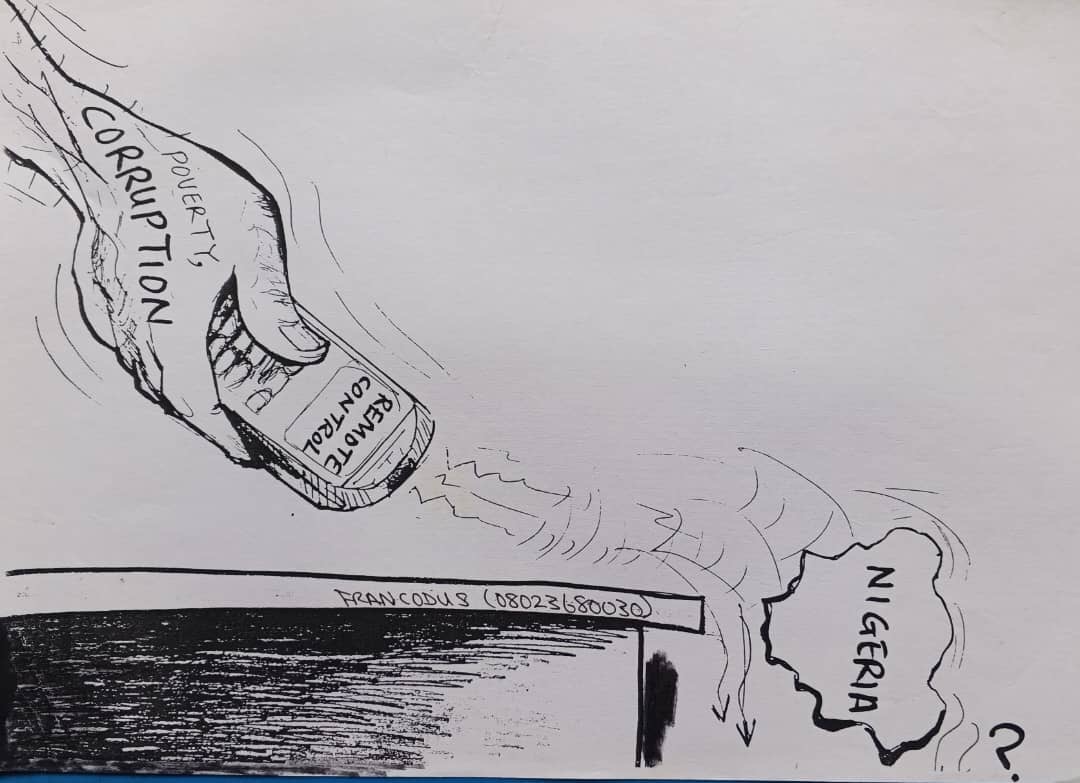
Across the globe, millions of young people are facing an unprecedented challenge: the struggle to survive in a world where economic hardship, unemployment, and insufficient healthcare intersect.
From the crowded cities of Lagos and Dhaka to the streets of Buenos Aires and Manila, families are stretching every dollar—or naira, peso, or taka—to cover food, rent, and medical expenses, while young graduates wander in search of meaningful work. The result is a generation under pressure, with social, economic, and health consequences that resonate far beyond national borders.
Rising costs of living are a shared global crisis. In the United States, inflation reached historic highs in 2022, forcing families to spend more on groceries and utilities. In Lebanon, years of economic collapse have rendered basic necessities unaffordable for millions. Similarly, in South Africa, soaring energy prices have combined with food inflation to strain households. The global trend is clear: basic needs are becoming increasingly difficult to meet, and ordinary citizens everywhere feel the pinch.
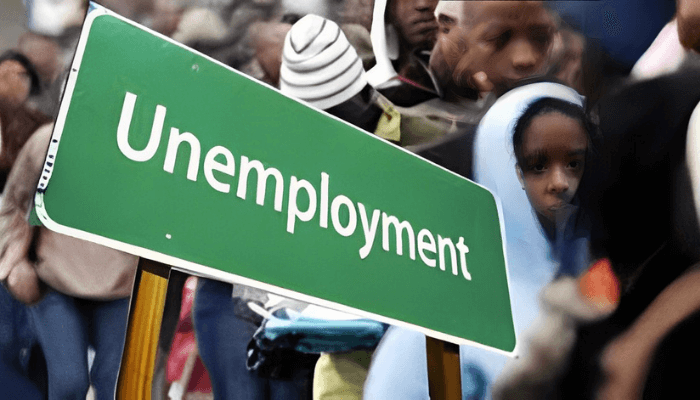
These economic pressures are closely linked to youth unemployment, a global concern affecting both developing and developed nations. According to the International Labour Organization (ILO), more than 70 million young people worldwide are unemployed, with rates particularly high in Africa, the Middle East, and Southern Europe. In countries like Spain and Greece, graduates with advanced degrees struggle to find permanent employment, while in Nigeria, Bangladesh, and Egypt, millions of young adults are limited to informal or low-paying work. The consequences are severe: financial instability, delayed family formation, and increased migration as youth seek opportunities abroad.
Healthcare challenges compound the problem. In Yemen and Syria, ongoing conflict has decimated healthcare systems, leaving millions without access to essential services.
In Haiti, hospitals remain underfunded and overcrowded, while in India, the COVID-19 pandemic exposed systemic weaknesses that continue to strain resources. Across nations, insufficient healthcare provision interacts with poverty and unemployment, creating a cycle where illness reduces productivity, medical costs increase household debt, and families are trapped in vulnerability.
The interconnectedness of these crises is evident everywhere. In Lebanon, youth unemployment and economic collapse have left many families unable to afford medicines for chronic conditions.
In South Africa, rising living costs mean parents must choose between feeding their families and covering healthcare expenses. In Nigeria and Bangladesh, informal workers are particularly vulnerable, often losing jobs without compensation or social safety nets. Globally, these pressures are fueling social unrest, protests, and migration, as young people demand better opportunities and protection.
The implications for the world are significant. Economically, a generation unable to work or contribute effectively reduces human capital, innovation, and productivity. Socially, widespread youth disenfranchisement threatens stability and community cohesion.
Health crises, left unchecked, can accelerate the spread of infectious diseases across borders, as the COVID-19 pandemic starkly demonstrated. International investors and development organizations are paying attention: countries struggling with combined economic, employment, and healthcare challenges risk falling further behind in a globally competitive environment.
Yet, amid this global crisis lies opportunity. Countries that invest in healthcare, support youth employment, and implement measures to control living costs can transform these challenges into growth. Initiatives such as vocational training programs, microfinance support, and universal healthcare pilots show promise in countries from Rwanda to Brazil. Renewable energy investments, affordable housing programs, and targeted subsidies can also relieve the pressures faced by families worldwide.
For policymakers and the international community, the message is clear: the struggles of youth, families, and healthcare systems are interconnected, and solutions must be integrated. Ignoring these challenges anywhere risks consequences everywhere, from economic stagnation to migration pressures, and from social unrest to global health risks.
As cities around the world light up at night, the roar of generators, the long queues at hospitals, and the silent frustration of unemployed youth remind us that resilience has limits. Without immediate, coordinated action, the combined pressures of cost of living, youth unemployment, and healthcare gaps could define an entire generation.
The stakes are global, and the opportunity is universal: invest in people, stabilize economies, and strengthen healthcare systems. Only then can the generation struggling today hope to thrive tomorrow.