Politics is often described as a mirror of the people’s expectations, hopes, and frustrations. In Edo State today, the political atmosphere is gradually changing, and many observers believe a new direction is forming.
With recent developments across the state and the growing momentum of grassroots mobilization, there is increasing confidence among supporters that Bola Ahmed Tinubu could secure overwhelming support in Edo State in future political contests.
Much of this optimism is closely connected to the energetic leadership and developmental drive of Monday Okpebholo.
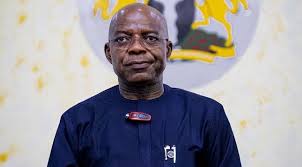
Across towns, markets, and communities in Edo, conversations about governance have shifted from complaints to expectations. Many residents are beginning to see signs of renewed political seriousness, particularly in the actions and public engagement of Senator Monday Okpebholo. Since assuming office as the senator representing Edo Central, he has projected himself as a leader who understands the urgency of development and the need to connect government directly to the people.
One of the strongest factors shaping political opinion in Edo today is the growing belief that leadership must produce visible results. Senator Okpebholo has consistently emphasized infrastructure, empowerment, and community development as key priorities.
Supporters point to road interventions, youth support initiatives, and continuous consultations with local stakeholders as evidence that a new style of representation is emerging.
Beyond physical projects, the senator’s political style has also drawn attention. Unlike the traditional distant approach often associated with public office, Okpebholo has maintained a visible presence among his constituents. Community visits, meetings with youth groups, engagement with traders, and collaboration with local leaders have helped create a perception of accessibility. For many residents, leadership that listens is the first step toward leadership that delivers.
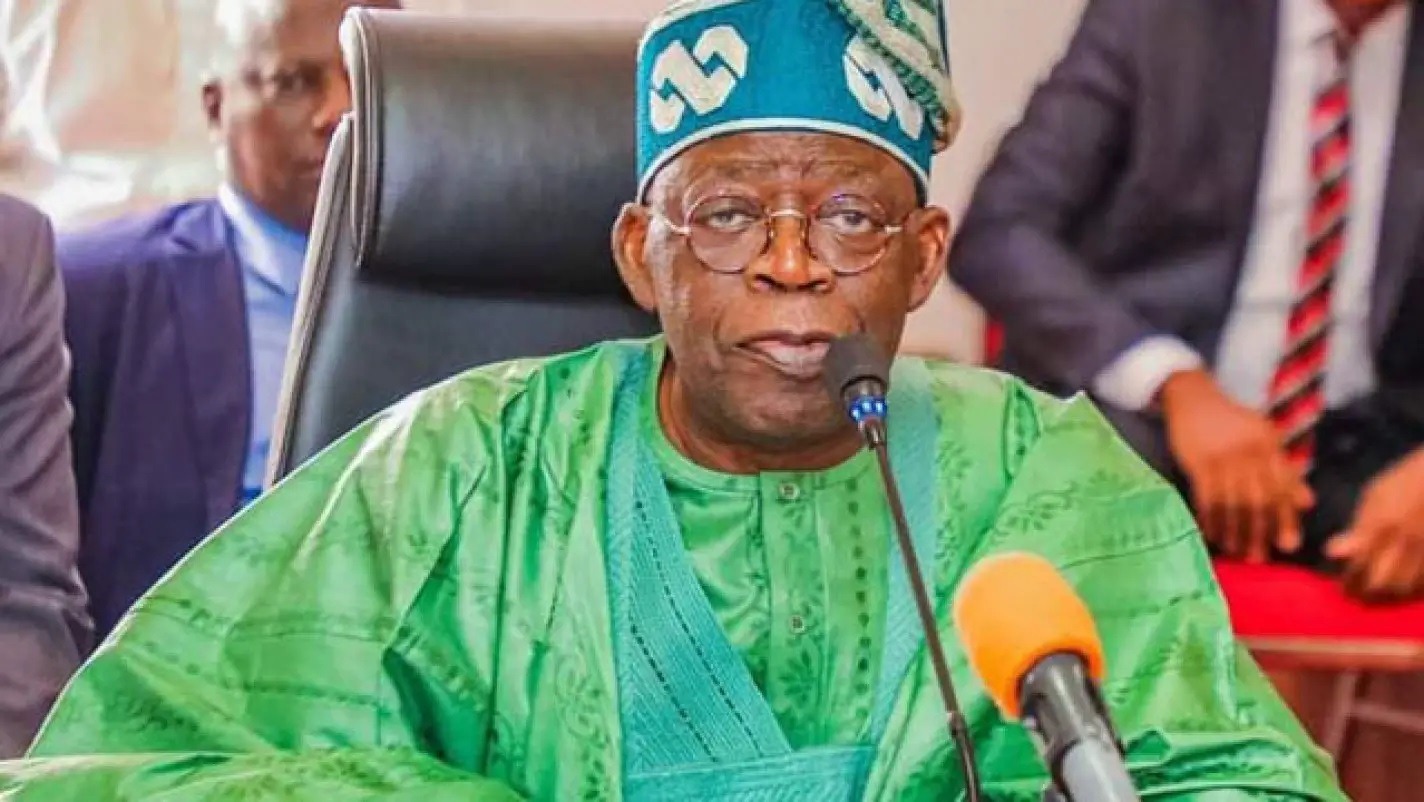
This growing grassroots confidence is gradually influencing broader political alignments within the state. Analysts note that when voters see commitment at the local level, they often extend their support to the larger political platform associated with that leadership. In this case, that platform connects strongly with President Bola Ahmed Tinubu.
President Tinubu’s administration has consistently spoken about economic reform, infrastructure expansion, and national development. While national policies sometimes take time to translate into everyday impact, political allies at the state and regional levels often serve as the bridge between federal vision and local results. Supporters in Edo increasingly view Senator Okpebholo as one of those bridges—someone capable of translating federal opportunities into real benefits for communities.
Another factor strengthening this perception is the senator’s message of inclusive development. Observers frequently describe him as a leader determined to fix Edo State irrespective of political affiliation. In a political climate where divisions can easily slow progress, such an approach resonates strongly with citizens who simply want better roads, jobs, schools, and security rather than endless political arguments.
In many communities, development has become the new campaign language. Youths want opportunities, market women want improved infrastructure, farmers want better access to markets, and small business owners want policies that encourage growth. The belief among many supporters is that a cooperative relationship between Edo leadership and the federal government would accelerate these improvements. This expectation naturally translates into growing support for President Tinubu.
Political momentum is rarely built overnight. It grows through trust, visible effort, and consistent engagement. Senator Monday Okpebholo’s supporters argue that his seriousness about development is already laying the groundwork for a major political shift in Edo State.
They believe that if the current pace of engagement and community-focused initiatives continues, the political landscape of the state may experience a significant transformation.
What makes this moment particularly interesting is the rising participation of young people in political conversations. Many youths are increasingly evaluating leaders based on performance rather than long-standing party loyalties. In such an environment, leaders who show energy, accessibility, and a practical development agenda tend to gain rapid popularity.
As Edo State looks toward the future, the intersection of federal leadership and local commitment could play a defining role. For many political observers and supporters, the determination shown by Senator Monday Okpebholo signals a broader movement—one that could translate into massive electoral support for President Bola Ahmed Tinubu.
Whether in rural communities or urban centers, one message appears to be spreading: Edo people are watching closely, evaluating leadership carefully, and aligning themselves with individuals they believe are ready to move the state forward. If the current political momentum continues, supporters are confident that the ballot boxes in Edo State may eventually reflect that growing conviction in a very significant way.