… Policy group, Minister laud fiscal, monetary, infrastructure measures
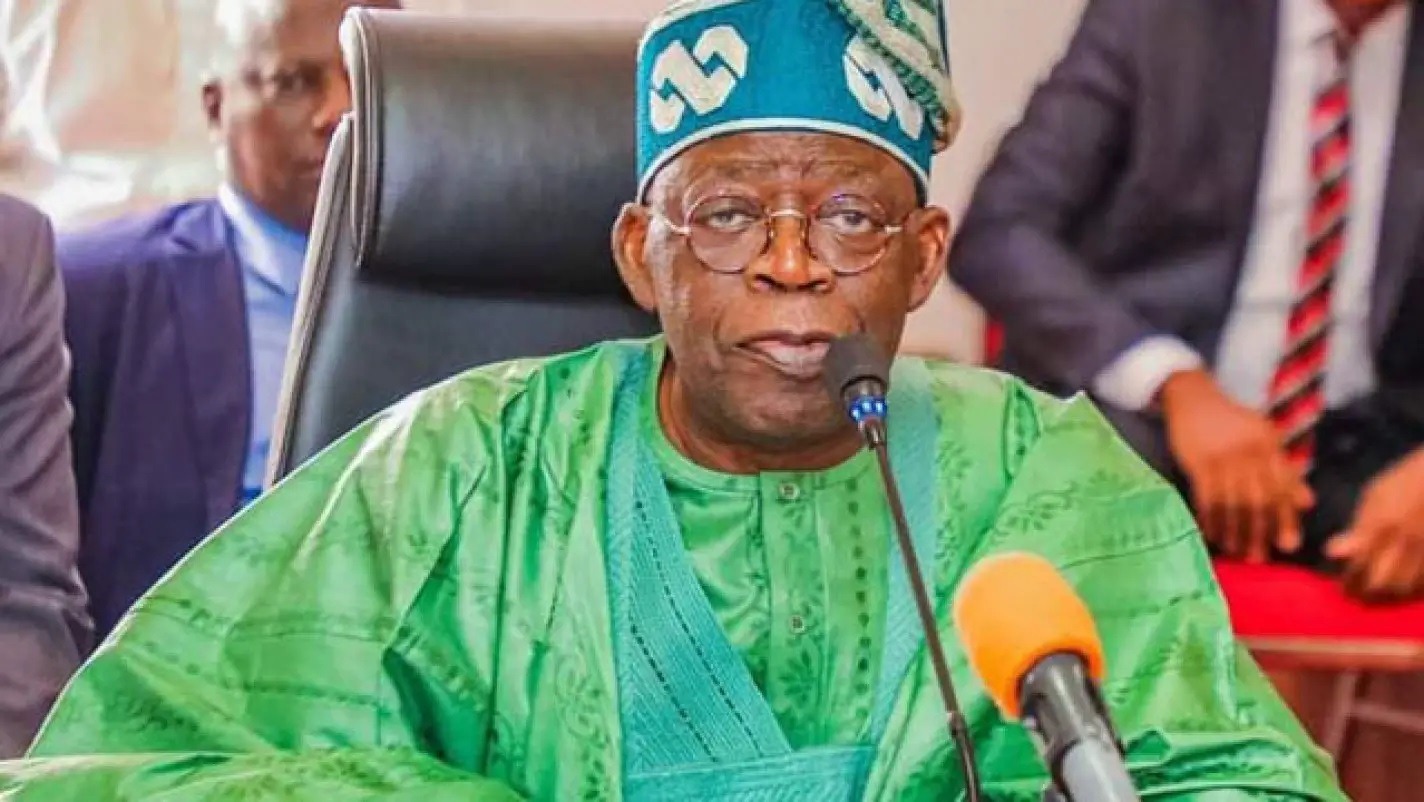
ABUJA/LAGOS — President Bola Tinubu is deploying decisive economic tools to lift Nigeria out of decades of decadence and fiscal profligacy, the Independent Media and Policy Initiatives (IMPI) has said, as the Minister of Marine and Blue Economy, Dr Adegboyega Oyetola, called for a second term to consolidate ongoing reforms and stabilise the economy.
In a statement issued by its Chairman, Dr Omoniyi Akinsiju, IMPI said the Tinubu administration had fundamentally altered Nigeria’s economic trajectory through bold fiscal and monetary reforms designed to dismantle entrenched oligarchic structures.
Akinsiju argued that, like the United States, Nigeria had experienced periods marked by declining public values and the normalisation of profligacy in high office.
According to him, prior to the reforms initiated in May 2023, the nation’s economy was characterised by a deeply entrenched oligarchy in which a small circle of political elites, military officers and business moguls controlled state resources.
He said the system thrived on patronage, particularly within the oil sector, benefiting a select few while the majority of citizens faced hardship and poverty.
The IMPI chairman described the pre-reform era as defined by structural distortions, including a fuel subsidy regime widely criticised as corruption-prone and multiple exchange rate windows that allowed “FX subsidy merchants” to exploit gaps between official and parallel market rates.
“Economic power was heavily concentrated in the petroleum industry, with access to oil revenues controlled by those in authority and their close associates. By the time Tinubu assumed office, Nigeria was spending approximately 97 percent of its total revenue on debt servicing — a clearly unsustainable situation,” he said.
Akinsiju noted that Nigeria’s export profile declined significantly after 2014, falling from a crude oil and gas export peak of 93.89 billion dollars in 2011 to lower levels that persisted despite periodic recoveries.
He, however, maintained that the Federal Government had “taken Nigeria out of the woods,” pointing to what he described as a stabilising economy and the gradual loosening of oligarchic control.
To support its position, IMPI highlighted key policy instruments deployed by the administration, including fiscal reforms and taxation, redistributive spending, estate and wealth taxes, labour and wealth protection policies, monetary and financial restructuring, as well as expanded infrastructure development and public investment.
According to Akinsiju, the impact of these measures is already evident.
Allocations from the Federation Account Allocation Committee surged in 2025, with the three tiers of government sharing over N33.27 trillion in the first eleven months — a 30 percent increase compared to the same period in 2024. September 2025 alone recorded a peak distribution of N3.64 trillion, significantly strengthening sub national revenues.
He further pointed to easing inflationary pressures.
Headline inflation, he said, declined from a peak of 34.6 per cent in November 2024 to 15.10 per cent in January 2026, marking over nine consecutive months of dis-inflation.
Food inflation also dropped sharply to 8.89 per cent year-on-year in January 2026 from 29.63 percent in January 2025 — a 20.73 percentage point decline.
The January figure represents the first single-digit food inflation reading in 128 months and the lowest level since August 2011.
The moderation in prices, he added, has helped restore purchasing power for households and businesses, with Nigerians beginning to feel the benefits of exchange rate unification and broader economic reforms.
Echoing similar sentiments, Oyetola said continuity was critical at this stage of national development and argued that the President required a second term to consolidate reforms and complete major infrastructure projects.
In a statement issued by his Special Adviser on Media, Dr Bolaji Akinola, Oyetola said Tinubu had taken courageous and necessary decisions at the outset of his administration to prevent economic collapse.
“These bold fiscal and monetary reforms were not easy, but they were inevitable to stabilise the system and restore confidence. Today, we are witnessing improved revenue generation, greater transparency in public finance and renewed investor confidence,” he said.
Oyetola stressed that infrastructure development remains central to the administration’s strategy, citing ongoing investments in roads, rail, ports and energy projects nationwide as critical drivers of connectivity, job creation and sustainable growth.
He also commended social intervention initiatives, including student loan schemes and support for small and medium-sized enterprises, describing them as measures aimed at cushioning the impact of reforms on vulnerable Nigerians.
The minister added that improved coordination among security agencies and increased support for law enforcement had strengthened national stability.
According to him, members of the All Progressives Congress in Osun State are firmly aligned behind Tinubu’s re-election bid, expressing confidence that continuity would ensure the full realisation of the administration’s reform agenda.