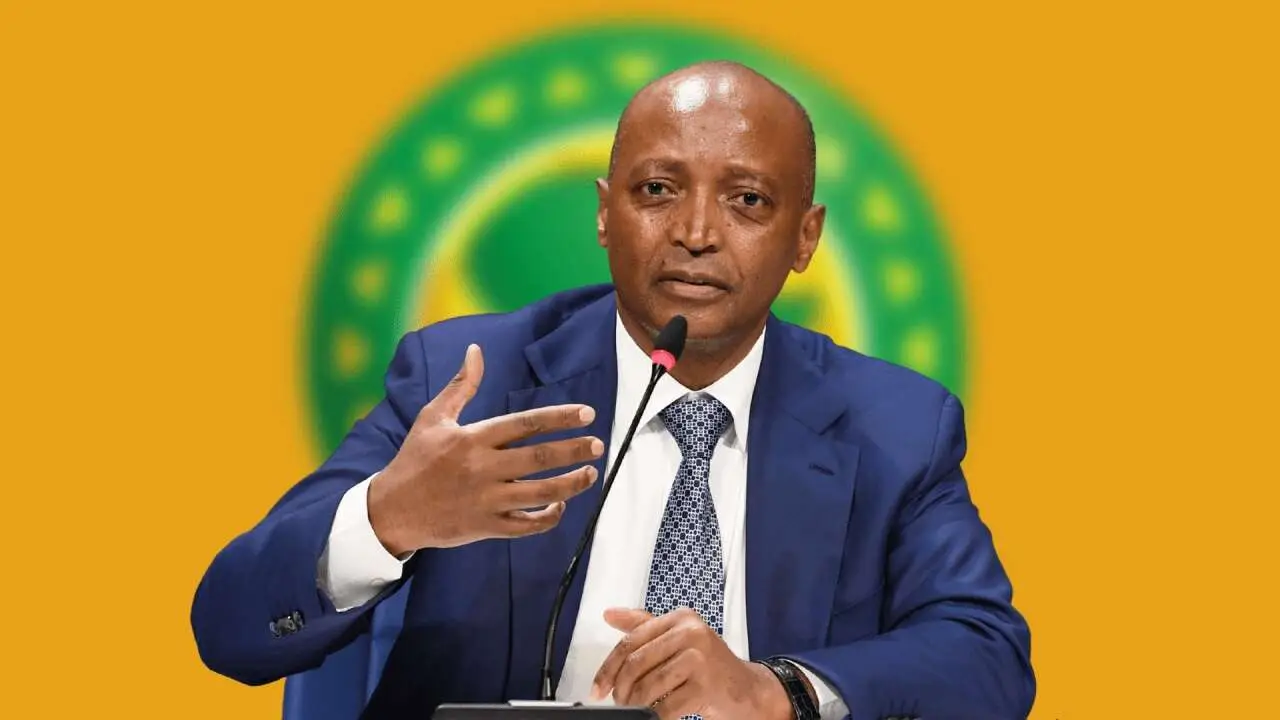
President of the Confederation of African Football, Patrice Motsepe, has arrived in Dakar for high level talks following the controversial decision to strip Senegal of their Africa Cup of Nations title and award it to Morocco.
The visit comes nearly a month after CAF overturned Senegal’s 1 0 victory over Morocco in the final played on January 18, a decision that has generated widespread debate across the football community and drawn sharp reactions from Senegalese authorities.
Motsepe had earlier announced plans to visit both Senegal and Morocco, stressing the need for unity and collaboration in advancing African football despite the growing criticism facing the continental body.
During his stay in Dakar, the CAF president is expected to meet with Senegal’s leader, Bassirou Diomaye Faye, at the presidential palace, with both sides set to address the situation and its broader implications. A joint press conference is also scheduled as part of the visit.
The controversy stems from CAF’s ruling on March 17, which cited disciplinary regulations after Senegalese players, alongside head coach Pape Thiaw and officials, walked off the pitch in protest during the final moments of the match in Rabat. The protest followed the awarding of a stoppage time penalty to Morocco, which was ultimately missed by forward Brahim Diaz.
Despite the missed penalty, CAF ruled that Senegal’s actions constituted a breach of competition rules, awarding Morocco a 3 0 victory and officially reversing the outcome of the final.
The decision has since been challenged by the Senegalese Football Federation, which has taken the matter to the Court of Arbitration for Sport, seeking a reversal of the ruling.
The development has also triggered a strong response from the Senegalese government, which has called for an international investigation into alleged irregularities within CAF, further intensifying the situation.
Speaking earlier on the matter, Motsepe maintained that CAF would abide by the final decision of the Court of Arbitration for Sport, noting that his personal views would not influence the outcome.
The visit is seen as a crucial step in easing tensions and restoring confidence in the administration of African football as the continent continues to grapple with one of its most contentious football decisions in recent history