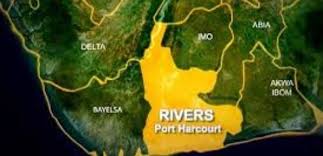
PORT HARCOURT — Indigenes of 14 Ogoni communities in Rivers State, displaced during the 1994 military regime of the late General Sani Abacha, have raised the alarm over renewed attempts to seize and sell their ancestral lands.
Speaking during a gathering to mark the 32nd anniversary of the sacking of the Lekuma-Ogoni communities, residents alleged that outsiders, in collusion with neighbouring communities, were unlawfully invading their lands, with some portions reportedly being sold at giveaway prices.
A woman leader from Lekuma community in Tai Local Government Area, Esther Gboro, said the assailants frequently invade the ancestral lands without consulting the natives.
“They sell two plots of land for N300,000 and give one free. They don’t care about the real owners who live there. They just come and buy the land,” she said.
Gboro recounted a recent attempt to mark large portions of land for sale, which residents resisted.
“Just three days ago we saw them in the bush again. I gathered all the women to follow and know what they were doing. Even if they want to kill us like in 1994, we are ready to die protecting what is rightfully ours,” she said.
Prince Barifodum, leader of the Lekuma community, described the 1994 invasion as a dark chapter in Ogoniland history, noting that over 2,000 lives were lost and homes, farms, churches, schools, and livelihoods destroyed within 48 hours.
He blamed the Nigerian government for the military-led destruction and called for justice.
He issued a stern warning to estate agents and prospective buyers: “No land is available for sale in Lekuma communities. Our land is filled with blood, and we don’t have any land for sale. We call on the Rivers State government to intervene.”
Prince Barifodum also highlighted that the Lekuma Ogoni land spans three local government areas — Tai, Eleme, and Oyigbo and stressed that the federal government still owes the displaced communities reparations for the 1994 devastation.
The communities’ plea underscores longstanding tensions over land rights and the urgent need for government intervention to protect the ancestral lands of Ogoni people.