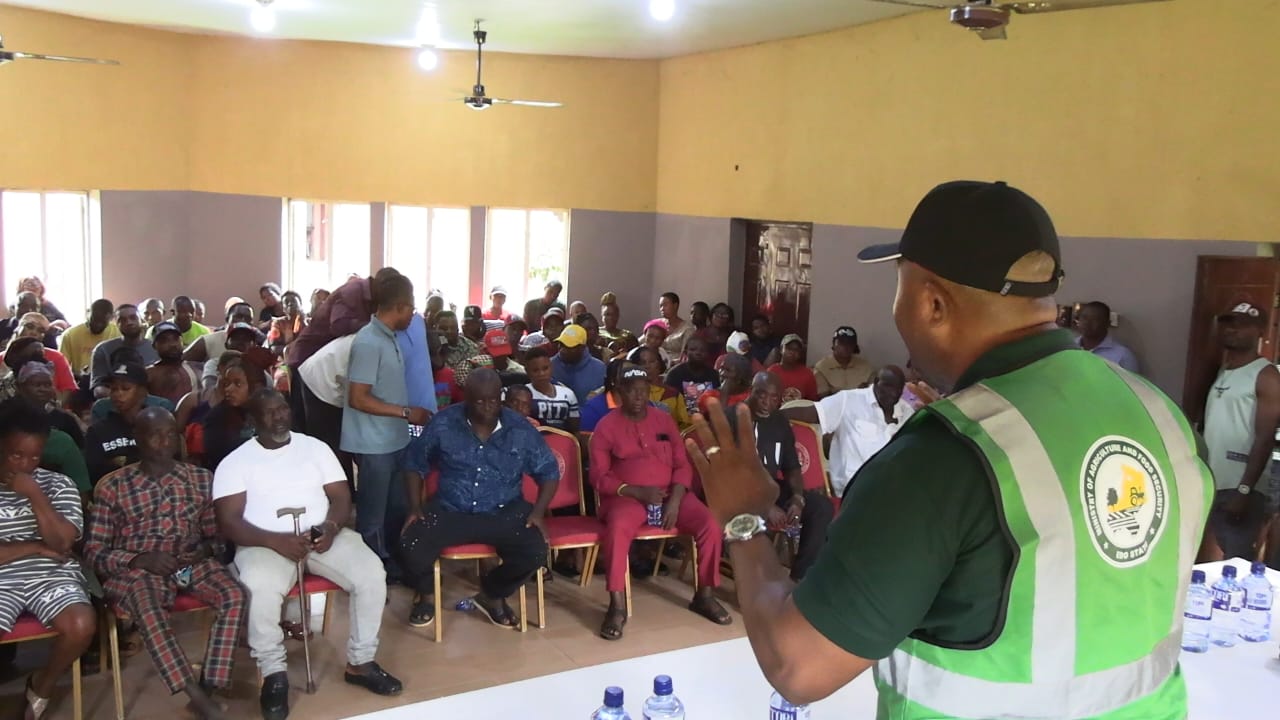
The Edo State Government has stepped up efforts to strengthen agricultural development with a renewed call for farmers across Edo Central Senatorial District to participate in its ongoing registration and profiling exercise.
The State Commissioner for Agriculture, Jerry Nwangue, made the appeal during an awareness, sensitisation and interactive tour across the five local government areas in Edo Central. He said the exercise is designed to help the government identify genuine farmers and ensure they benefit directly from agricultural programmes and interventions.
According to the commissioner, proper documentation of farmers will enable the government to plan effectively and provide targeted support, including access to inputs, funding opportunities and other incentives aimed at boosting productivity.
“This registration and profiling exercise is very important to us as a government. We want to know who the real farmers are, where they are located, and what exactly they are producing. Without proper data, it becomes difficult to plan and support you effectively.”
Nwangue also urged farmers to embrace communal farming, noting that the state government is currently clearing large expanse of land to support such initiatives. He encouraged communities to make land available for this purpose, assuring them that the government would undertake the clearing to make it suitable for cultivation.
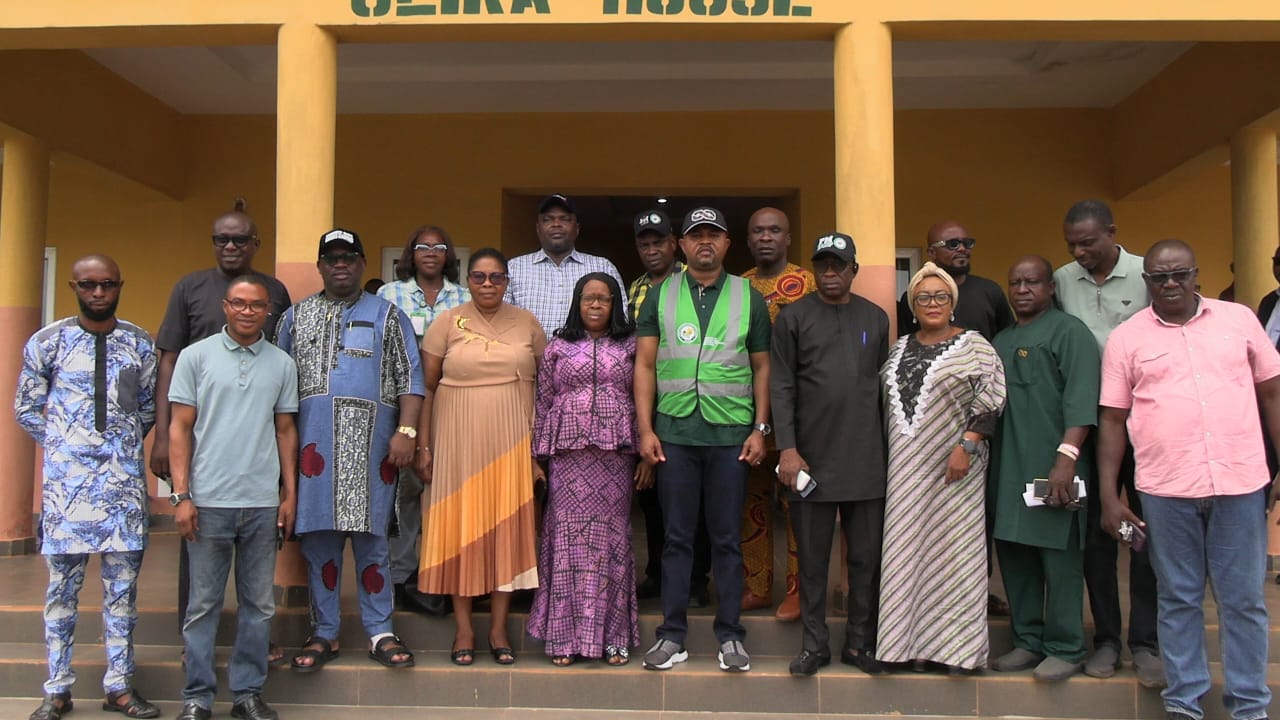
He explained that communal farming would not only improve food production but also create opportunities for collaboration among farmers, reduce individual costs and enhance access to mechanised farming techniques.
“We are also encouraging communal farming. The government is already clearing large portions of land across the state, and we want communities to key into this initiative. If you can identify land in your locality, we will come in and clear it to make it suitable for large-scale farming.”
During the engagements, farmers across the district commended the State Governor, Monday Okpebholo, for initiating the programme, describing it as a step in the right direction for the agricultural sector. However, they also highlighted several challenges affecting their productivity.
Top among the concerns raised was insecurity, which many farmers said remains a major threat to farming activities in the region. Others pointed to limited access to finance and poor road infrastructure, particularly the bad state of rural roads, which they said hampers the transportation of farm produce to markets.
Responding, the commissioner assured the farmers that the government is committed to addressing the identified challenges. He stressed that the ongoing registration and profiling exercise would play a critical role in enabling the government to design and implement effective solutions tailored to farmers’ needs.
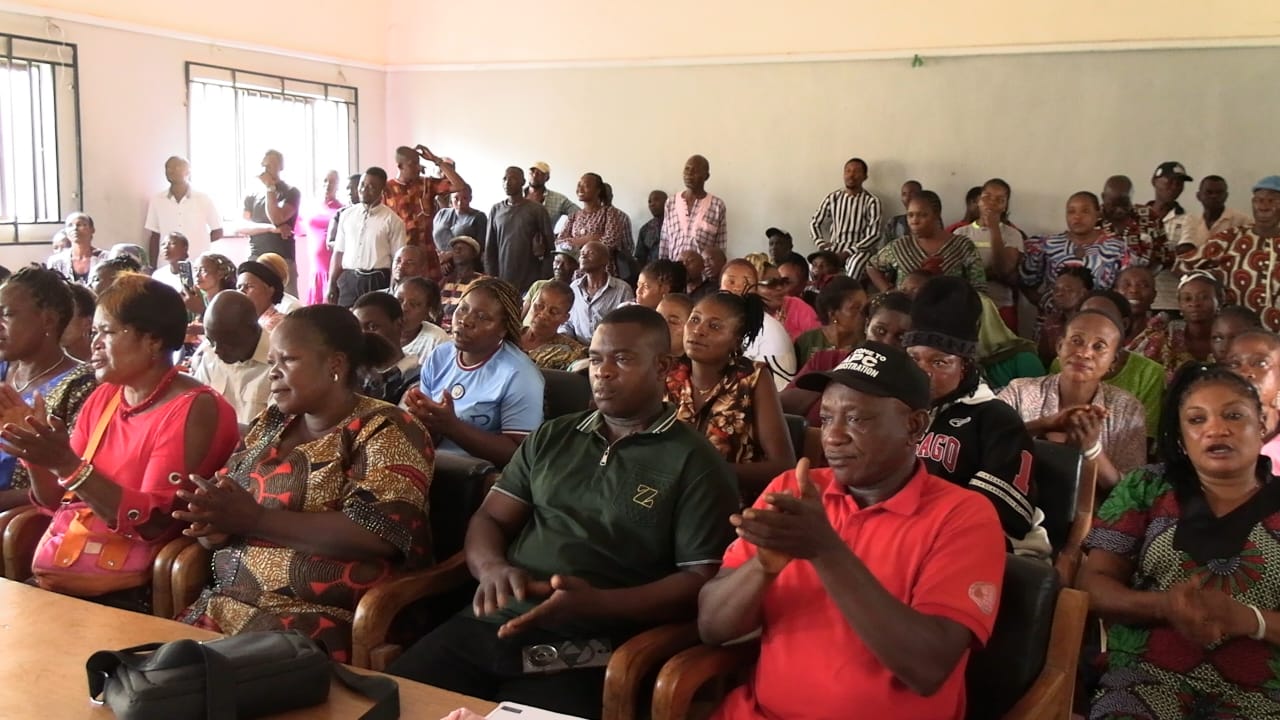
“We have listened carefully to your concerns, especially on insecurity, access to finance, and poor roads. I want to assure you that these issues are being taken seriously, and the government is already working on solutions.”
Speaking with journalists after the tour, Nwangue commended Governor Okpebholo for what he described as a visionary initiative, revealing that the farmers’ registration programme was conceived by the governor as part of broader efforts to reposition agriculture in the state.
As part of the tour, the commissioner and his team from the Ministry of Agriculture also inspected government-owned large-scale farms in Udomi and Ekpoma, reaffirming the administration’s commitment to expanding agricultural production and ensuring food security across Edo State.