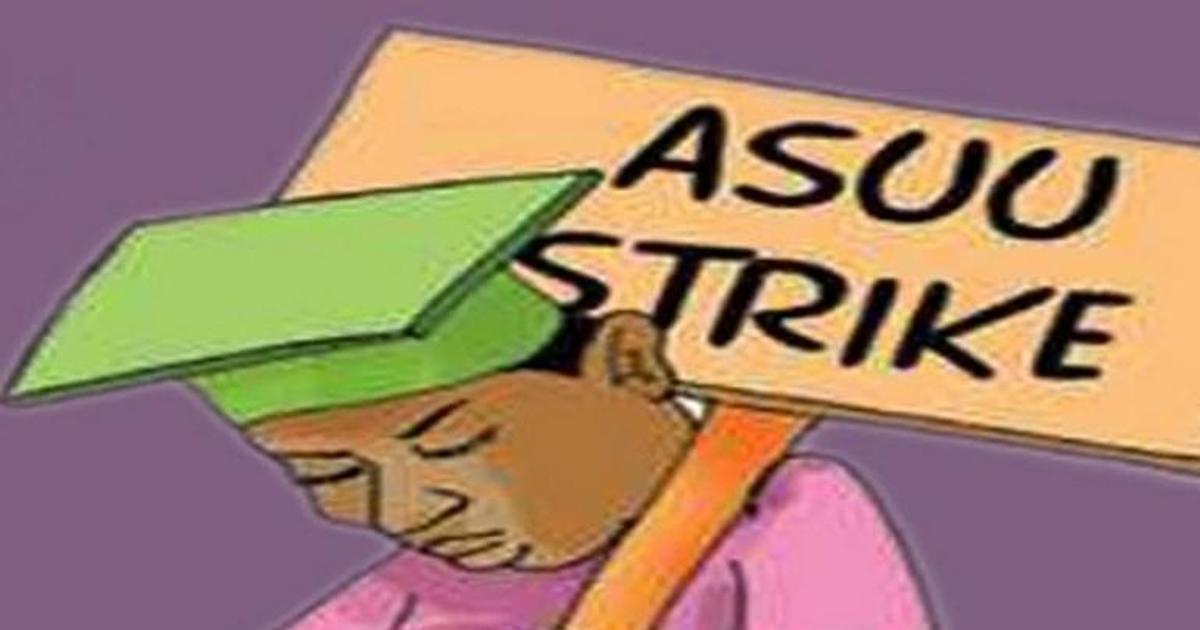
BENIN CITY – Academic activities have been disrupted at Imo State University (IMSU), Owerri, and Nasarawa State University, Keffi, following the commencement of indefinite strikes by their respective branches of the Academic Staff Union of Universities (ASUU). The development has raised concerns among students and stakeholders over another possible disruption to Nigeria’s university system.
The decision comes amid growing tension between ASUU and university authorities over the implementation of the 2025 agreement between the Federal Government and the union. ASUU has repeatedly raised concerns over unpaid salaries and allowances, promotion arrears, and other welfare issues affecting university lecturers.
Following its National Executive Council meeting held at the University of Abuja on August 8 and 9, 2026, ASUU authorised 20 university branches to begin the process of industrial action. The affected branches were directed to issue 14-day ultimatums to their respective authorities and commence strike action if their demands were not addressed.
Among the institutions involved are Nasarawa State University, Ibrahim Badamasi Babangida University, University of Medical Sciences, Ondo, Gombe State University, Plateau State University, Adekunle Ajasin University, Abia State University, Imo State University, Niger Delta University, Taraba State University, Ambrose Alli University and Kaduna State University.
However, IMSU and Nasarawa State University have already commenced indefinite strikes. At IMSU, the union began its action on Monday, August 10, accusing the Imo State Government of failing to implement the 2025 agreement. The union alleged that some lecturers were owed several months’ salaries, while promotion arrears and Earned Academic Allowance remained outstanding.
At Nasarawa State University, Keffi, the ASUU chapter also declared an indefinite strike over outstanding financial obligations reportedly exceeding N3 billion. The union said the outstanding payments included Earned Academic Allowance, consequential adjustments arising from the implementation of the national minimum wage and the approved salary increase for university lecturers.
The strike has raised fears of disruptions to lectures, examinations, research activities and academic calendars if more university branches join the action. Students may also face uncertainty over the continuation of academic programmes, particularly in institutions where ASUU chapters have already downed tools.
Despite the escalation, ASUU has maintained that it remains open to dialogue with the relevant authorities. The union is demanding the implementation of agreements reached with the government and improvements in lecturers’ welfare. With 20 university branches now authorised to begin the process of industrial action, stakeholders are expected to intensify negotiations to prevent the dispute from developing into a wider shutdown of Nigeria’s public universities.