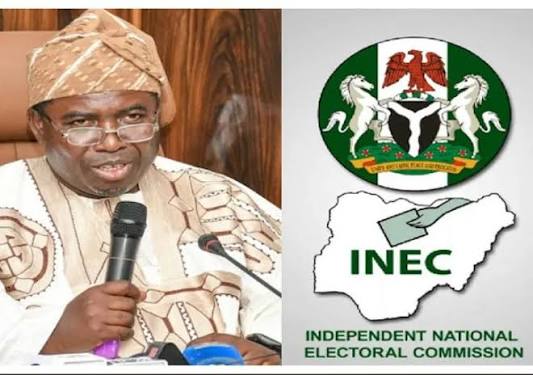
The Independent National Electoral Commission (INEC) has intensified efforts to mobilise Persons with Disabilities (PWDs) ahead of the 2027 general elections, following data showing that 137,487 PWDs have so far been captured in the Commission’s voter records.
The figure was disclosed on Wednesday, September 16, 2026, at a National Strategy Engagement between INEC, the Joint National Association of Persons with Disabilities (JONAPWD) and Organisations of Persons with Disabilities (OPDs) in Abuja.
The engagement focused on using targeted sensitisation and mobilisation to increase voter registration, Permanent Voter Card collection and turnout among PWDs in the 2027 elections.
According to data from INEC’s ICT Department obtained before the Automated Fingerprint Identification System exercise, persons with albinism constitute the largest identified category, with 30,561 captured persons, representing about 22.2 per cent of the total figure.
They are followed by persons with physical impairment, numbering 19,430, while 13,080 visually impaired persons and 9,299 hearing impaired persons have also been captured. A further 54,941 persons were recorded under other categories of disability.
The figures mean that the “other categories” group accounts for roughly four in every 10 PWDs captured, highlighting the diversity of accessibility needs that election administrators and stakeholders will have to address.
Declaring the engagement open on behalf of INEC Chairman, Prof. Joash Amupitan, SAN, Acting Chairman and National Commissioner, Prof. Rhoda Gumus, said the data demonstrated the need for sustained engagement with disability organisations.
He said the Commission’s objective was to ensure that eligible PWD voters were informed, mobilised and supported throughout the electoral process, adding that strategies agreed at the national level would be taken to the states through Resident Electoral Commissioners, Electoral Officers and other officials.
The Director, Gender and Inclusivity Department, Mrs. Lakunuya Dorothy Bello, identified access to voter information, voter education, mobilisation and accessibility of electoral facilities among the challenges affecting PWD participation.
She said PWDs remained an important constituency whose voices, choices and participation were essential to an inclusive electoral process.
The Executive Director of Inclusive Friends Association, Grace Jerry, called for a data-informed mobilisation strategy that would map PWD networks, identify priority gaps and deliver voter education through OPDs and accessible media channels.
She also advocated monitoring and documenting barriers encountered by PWDs, with the information escalated to INEC and JONAPWD for intervention before Election Day.
JONAPWD National President, Comrade Abdullahi Aliyu Usman, commended INEC’s disability inclusion initiatives but called for more frequent strategic engagements, arguing that one national engagement would not be sufficient to secure full participation of PWDs in the 2027 elections.
The Executive Secretary of the National Commission for Persons with Disabilities, Bar. Ayuba Gufwan Burki, highlighted mobility challenges, access to assistive devices and restrictions on movement as factors that continue to affect PWD participation.
The Founder and Chief Executive Officer of TAF Africa, Jake Epelle, also called for improved accessibility at polling units and stronger grassroots mobilisation through OPD cluster heads across the 36 states and the Federal Capital Territory.
The engagement ended with the adoption of a communique outlining commitments and action points aimed at improving the participation of PWDs in the 2027 General Election.
