BY CHRISTIANA OGBEMUDIA
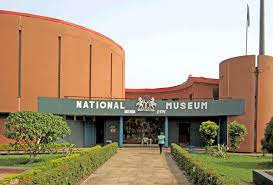
A museum is often seen as a custodian of a people’s culture, a representative of national identity and achievements. It is a place where material culture is preserved and made accessible to present and future generations.
Definitions of Exhibition
An exhibition can be defined as a collection of objects, such as works of art, displayed for public viewing. It is also understood as the act of showing, displaying, and presenting items in a way that conveys meaning and purpose. Abdillahi (2000) defines an exhibition as “a form of interpretation”—a comprehensive presentation that includes not only objects but also their contexts, meanings, histories, and significance.
An exhibition may also be a display of an individual’s artwork for enlightenment and appreciation. A meaningful exhibition conveys the unique character of the items displayed. While museums serve many functions, exhibitions are a principal means of communicating ideas and educating the public.
Categories of Museum Exhibition
Permanent Exhibition
Permanent exhibitions are designed to house objects on a long-term basis. Such galleries should be supported by adequate funding and maintenance to ensure the display remains in good condition over time.
Temporary Exhibition
Temporary exhibitions offer flexibility and innovation without significant risk. They often address topical or controversial themes and utilise a variety of available materials and structures.
Special Exhibition
Special exhibitions are curated for specific purposes and audiences. Their success depends on the presence of outstanding objects, dedicated effort, and strategic promotion through quality media coverage, including radio and television.
Travelling or Touring Exhibition
These exhibitions are designed to be mounted in multiple venues over time. They reach large audiences across different locations and enhance the host museum’s visibility and reputation.
Portable Exhibition
Portable exhibitions are small and self-contained, designed for easy transport and setup. They often include just a few panels and may be carried in a suitcase or container. Such exhibitions aim to generate interest in the museum and its collections. For security reasons, high-value items are typically excluded.
Mobile Exhibition
Mobile exhibitions involve self-contained displays mounted on caravans, buses, or trains. They bring the museum directly into communities and can participate in events like trade fairs. Mobile exhibitions are ideal for showcasing museum activities to a broader public.
Loan Exhibition
Loan exhibitions consist of items temporarily borrowed by external organisations or individuals. Due to the associated risks, only duplicates or replicas are typically used. Careful selection is essential to safeguard the originals.
Conclusion
Exhibition remains one of the most impactful ways museums communicate with the public. While there are other methods of engagement, exhibitions possess a unique ability to connect audiences with culture and heritage. Their influence on museum architecture and resource planning cannot be overstated and must be sustained.