… Edo among worst-hit states
ABUJA — Lassa fever claimed no fewer than 215 lives across Nigeria in 2025, with Edo State ranked among the worst-affected states as the country battled a persistent outbreak of the viral haemorrhagic disease.
The Nigeria Centre for Disease Control and Prevention (NCDC), in its Lassa Fever Situation Report for Epidemiological Week 52 (December 22–28, 2025), said the case fatality rate rose to 18.7 percent, up from 16.3 percent recorded during the same period in 2024, despite a reduction in the overall number of suspected and confirmed cases.
According to the report, Nigeria recorded 1,148 confirmed cases out of 9,389 suspected cases in 2025, with infections reported in 22 states and 107 local government areas.
Edo State accounted for 16 percent of all confirmed cases nationwide, placing it among the four states that collectively contributed 89 percent of total infections recorded during the year.
The NCDC identified Ondo State as the worst hit with 35 per cent of confirmed cases, followed by Bauchi with 26 percent, Edo with 16 percent and Taraba with 12 percent.
The report noted that in Epidemiological Week 52 alone, 27 new confirmed cases and nine deaths were recorded across Bauchi, Ondo, Ebonyi, Taraba and Nasarawa states, an increase from 21 cases in the previous week, indicating sustained transmission in high-burden areas.
Young adults between the ages of 21 and 30 were the most affected demographic group, with confirmed cases ranging from one to 96 years and a median age of 30 years. The male-to-female ratio among confirmed cases stood at 1:0.8.
The NCDC attributed the high fatality rate largely to late presentation of patients at health facilities, poor health-seeking behaviour, high cost of treatment in endemic communities, poor environmental sanitation and low public awareness.
To contain the outbreak, the agency said it deployed 10 National Rapid Response Teams to affected states, including Edo, alongside intensified training of healthcare workers, strengthened infection prevention and control measures, distribution of Ribavirin, personal protective equipment and other response materials, as well as expanded risk communication and community engagement.
The agency added that no new healthcare worker infection was recorded in Week 52, attributing this to improved adherence to infection prevention and control protocols in treatment centres.
As the country prepares for a new outbreak season, the NCDC urged Edo and other states to sustain year-round community sensitisation on Lassa fever prevention, while advising healthcare workers to maintain a high index of suspicion and ensure early diagnosis and prompt treatment of suspected cases.
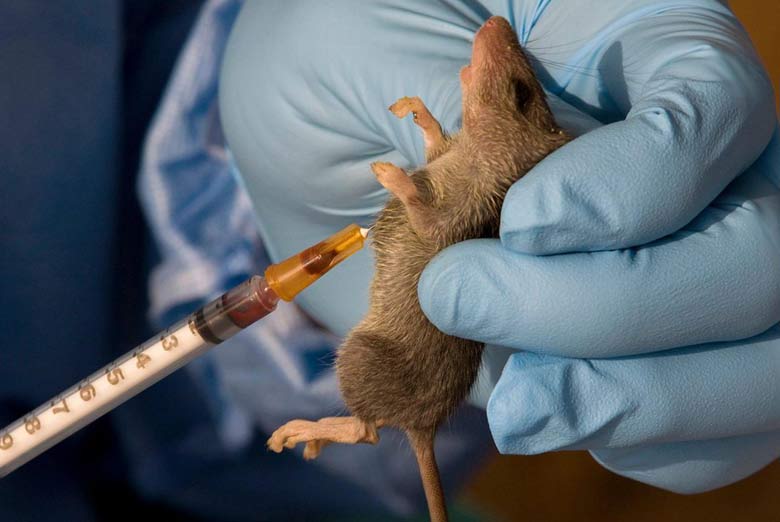
Lassa fever is an acute viral haemorrhagic illness transmitted mainly through contact with food or household items contaminated by the urine or faeces of infected rodents, with human-to-human transmission also possible through contact with bodily fluids of infected persons.
The NCDC advised residents to maintain good hygiene, store food properly, keep homes rodent-free and seek early medical attention when symptoms occur.