Benin: The management of Benin Electricity Distribution Company (BEDC) Plc has raised concern over the sharp decline in power generation from Nigeria’s national grid.
The Chief Commercial Officer of the company, Mr. Ogunleye Akinleye, told journalists on Friday in Benin that the development was affecting the company’s operations, customer satisfaction and revenue collection.
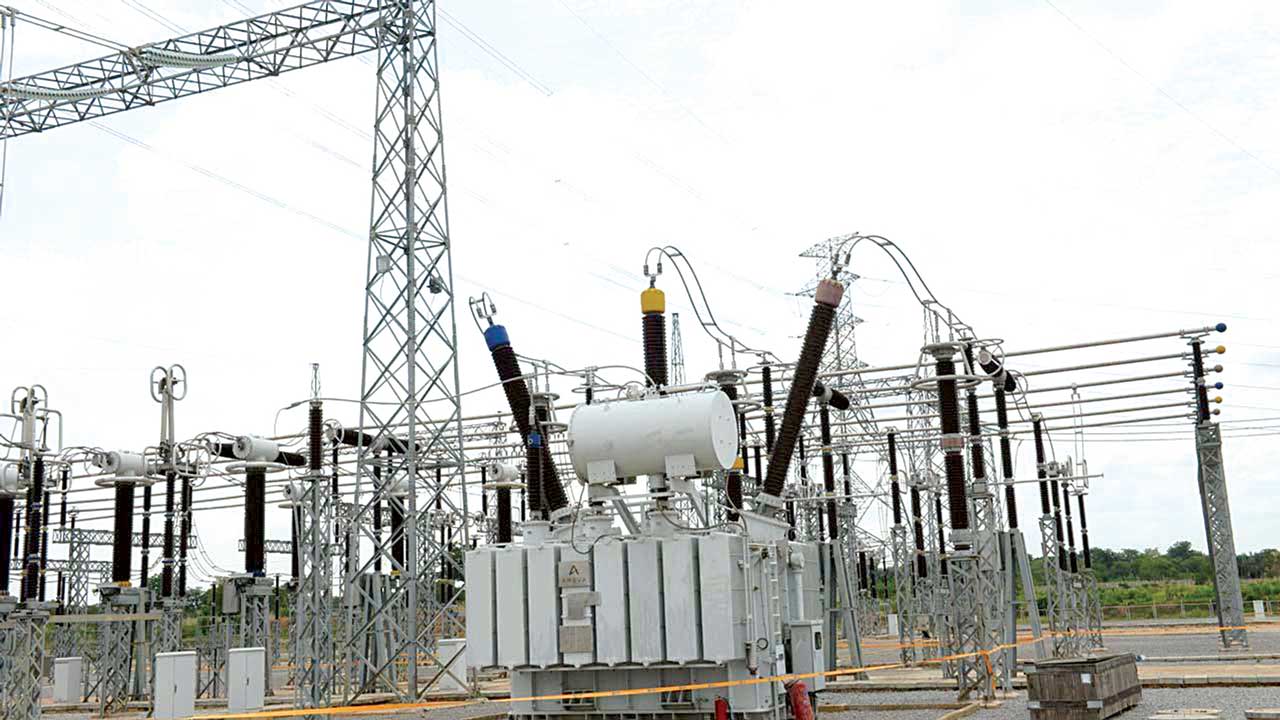
Akinleye said the drop in electricity generation from the national grid to about 3,940 megawatts had significantly reduced power supply across the country, including areas covered by BEDC.
According to him, the situation has had a direct impact on the company’s revenue generation.
“The drop in national grid generation to about 3,940 megawatts has significantly affected electricity distribution across the country, including our franchise areas,” he said.
The chief commercial officer explained that inadequate electricity supply had weakened customers’ willingness to pay for power, particularly among post-paid users.
“When customers do not receive adequate power supply, their payment appetite declines, and this has a direct negative impact on post-paid collections,” Akinleye said.
He added that the decline in energy supply had also reduced electricity purchases by prepaid customers.
“Similarly, the low energy supply has reduced the vending of prepaid customers, resulting in poor revenue collection by the company,” he said.
The BEDC official noted that the drop in revenue had affected the company’s ability to meet its market obligations within the Nigerian electricity supply chain.
“The poor revenue collection has affected our ability to meet our market obligations, which ultimately impacts our access to full operational expenditure,” he said.
He expressed regret over the persistent decline in power generation, describing it as a major challenge for the power sector.
He appealed to customers in the company’s franchise states of Edo, Delta, Ondo and Ekiti to remain patient and continue to support the firm.
He also assured customers that the federal government and other stakeholders in the electricity sector were working to address the challenges affecting power generation and distribution in the country.