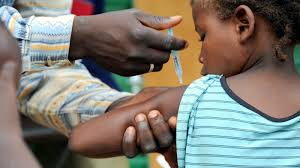
ABUJA — Stakeholders in Nigeria’s health sector have warned that persistent delays in the release of approved funds are undermining the country’s immunisation progress, despite a significant surge in budgetary allocations over the past two years.
The concern was raised on Wednesday in Abuja during a media engagement on immunisation financing and zero-dose children, organised by the Vaccine Network for Disease Control (VNDC) under the PREACH Project, with support from Gavi, the Vaccine Alliance through the Global Health Advocacy Incubator.
Participants disclosed that Nigeria’s immunisation financing rose sharply by 233 percent — from N69.57 billion in 2023 to N231.74 billion in 2025, marking the highest allocation on record.
However, only N68.8 billion has so far been released, creating a widening gap between approved budgets and actual disbursement.
Chief Executive Officer of VNDC, Chika Offor, cautioned that the delays pose serious risks to vaccine supply chains, routine immunisation programmes, and ongoing efforts to reach zero-dose children in underserved communities.
She noted that while media attention has occasionally prompted partial releases of funds, such gains are often short-lived, allowing systemic bottlenecks to persist.
Offor stressed the need for sustained advocacy and stronger accountability mechanisms to ensure timely financing.
According to her, the PREACH Project is designed to drive policy reforms, enhance domestic resource mobilisation, and strengthen accountability in immunisation and primary healthcare financing nationwide.
Offor also highlighted proposals aimed at improving funding sustainability, including increasing the Basic Health Care Provision Fund from one to two per cent, allocating a portion of Federation Account resources to health commodities, reforming taxes on sugar-sweetened beverages, and establishing an Immunisation Trust Fund.
Chair of the Nigeria Universal Health Coverage (UHC) Forum, Chief Moji Makanjuola, underscored the importance of grassroots advocacy, noting that community-driven storytelling can significantly influence government action and improve accountability.
She cited a case in Kwali where community voices spotlighted healthcare challenges, prompting government intervention and the release of funds within a week, an example she said demonstrates the power of field-based reporting.
Makanjuola observed that while some communities actively demand immunisation services, others remain constrained by access barriers and systemic weaknesses.
She urged journalists to prioritise grassroots perspectives through field reporting, visual documentation, and human-centred storytelling.
Also speaking, Prof. Emmanuel Alhassan, Nigeria Coordinator for Prevent Epidemics/Immunisation Programmes at the Global Health Advocacy Incubator, said community-focused reporting has already yielded tangible improvements in primary healthcare delivery.
He added that many communities continue to seek urgent interventions, reinforcing the need for sustained grassroots engagement.
He called on the media to move beyond elite discourse and amplify the voices of ordinary Nigerians, stressing that stronger collaboration among stakeholders is vital to improving health outcomes, particularly for children and vulnerable populations.
Participants at the forum agreed that sustained grassroots engagement and closer collaboration among the media, civil society organisations, and communities are essential to achieving responsive and inclusive healthcare governance.