LAGOS — The Federal Government has unveiled a $552.18 million HOPE-EDU programme aimed at transforming Nigeria’s basic education system, boosting learning outcomes and expanding access for millions of children across the country.
The initiative, a collaboration between the Federal Ministry of Education, the Universal Basic Education Commission (UBEC) and State Universal Basic Education Boards (SUBEBs), is supported by the World Bank and the Global Partnership for Education (GPE).
It is projected to benefit more than 29 million children, strengthen the capacity of 500,000 teachers and deliver 13,000 new classrooms nationwide.
Unveiling the programme on Wednesday in Lagos during a three-day sensitization workshop for Commissioners for Education, SUBEB chairmen and frontline implementers, UBEC Executive Secretary, Dr Aisha Garba, described the intervention as a historic opportunity to tackle long-standing challenges in the basic education sector.
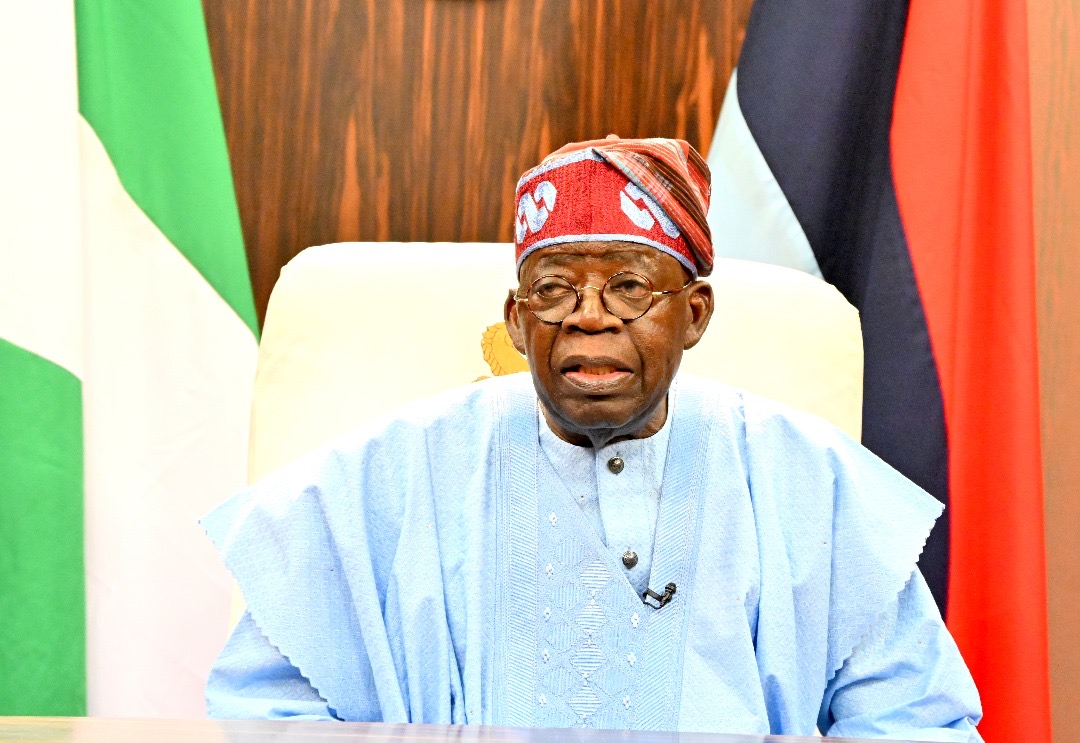
She said the programme aligns with President Bola Tinubu’s Renewed Hope Agenda and prioritises foundational learning, teacher development, provision of quality instructional materials and improved access for vulnerable groups.
“These are not abstract goals; they are actionable interventions.
While the Federal Ministry of Education and UBEC will provide resources and technical support, the real work lies with states and communities, which will drive needs assessments, community engagement and implementation,” she said.
Garba stressed the need for transparency and accountability, disclosing that UBEC would deploy digital dashboards to monitor spending, track implementation progress and ensure delivery of set milestones.
She reaffirmed the Federal Government’s commitment to inclusive education, particularly for children with special needs, girls, those from poor households and learners in conflict-affected areas.
“Their education is not charity; it is the cornerstone of our democracy and economy,” she said, urging stakeholders to develop actionable plans capable of delivering measurable improvements in foundational learning.
The sensitization exercise, designed to align states with the programme’s implementation framework as contained in the Programme Appraisal Document and Operational Manual, is being conducted in phases across the country, beginning with the South-South and South-East in Uyo, followed by sessions in Lagos for the South-West and North-Central, and concluding in Kano for the North-West and North-East.