He said that it is a key reason many African teams failed to advance further at the ongoing 2026 FIFA World Cup in spite of their strong performances.
Ahanmisi made the call in an interview with journalists in Lagos yesterday.
He said African teams have shown many times that they have the talent, strength and confidence to compete with the best football nations in the world.
Ahanmisi said many African teams found it difficult to hold on to their lead after scoring first.
According to him, poor game management has stopped many African teams from achieving more success at the FIFA World Cup
He said that the ability to manage a game from start to finish was a quality that separates successful teams from those that fall short in major tournaments.
According to him, several African countries have performed well at the ongoing World Cup, creating chances and even taking the lead against top European and South American opponents.
However, he said that many of them failed to protect those leads, allowing their opponents back into the game before eventually losing.
“Africa needs game management. Our teams must learn how to manage matches better.
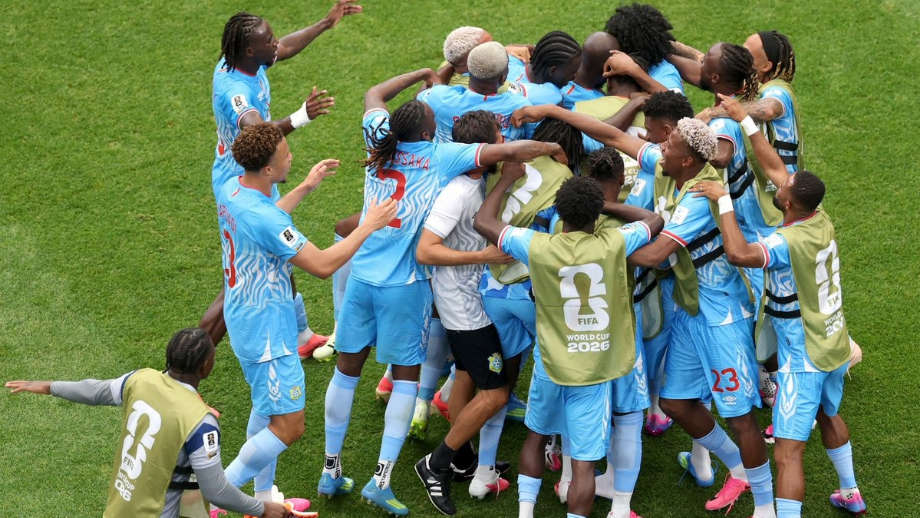
“If you look at the performances of Senegal, DR Congo and Egypt against their European and South American opponents, they took the lead in those games but allowed their opponents to come back and defeat them.
“They need to learn how to close out matches. They must know how to protect their lead and remain focused until the final whistle.
“It is not enough to score first. You must also know how to defend your advantage and finish the job,” he said.
The analyst said game management involves making the right decisions at every stage of a match, especially when a team is leading.
According to him, players must remain calm under pressure, avoid giving away possession cheaply, stay organised defensively and make better decisions when attacking or defending.
He said coaches also have important roles to play by making timely substitutions, adjusting tactics when necessary and helping their players remain disciplined throughout the match.
Ahanmisi said African teams possess enough quality to compete with the best teams in the world.
According to him, their performances at the tournament have proved that the gap between Africa and the traditional football powers is becoming smaller.
He, however, said the continent must now focus on the finer details that decide matches at the highest level.
“We have seen that African teams are no longer afraid of the big football nations. They play with confidence, create chances and compete well.
“The next step is learning how to control games when they are in front. If they improve in that area, they will have a better chance of reaching the quarter-finals, semi-finals and even the finals,” he said.
Ahanmisi urged football administrators and coaches across Africa to place greater emphasis on tactical awareness, match management and mental strength during player development.
He said teaching young players these qualities from the grassroots level would help African teams become more consistent in major international competitions.
He expressed optimism that with better game management, discipline and tactical maturity, African countries would record greater success at future FIFA World Cup tournaments.
NAN reports that an unprecedented nine out of 10 African nations successfully advanced past the group stage, silencing pre-tournament critics with a stellar 90 per cent qualification rate.
However, the Round of 32 turned into a brutal lesson in game control as Senegal surrendered a commanding 2-0 lead against Belgium, ultimately collapsing to a 3-2 defeat in extra time.
DR Congo maintained an excellent performance against England before crumbling in the 86th minute to hand away their lead