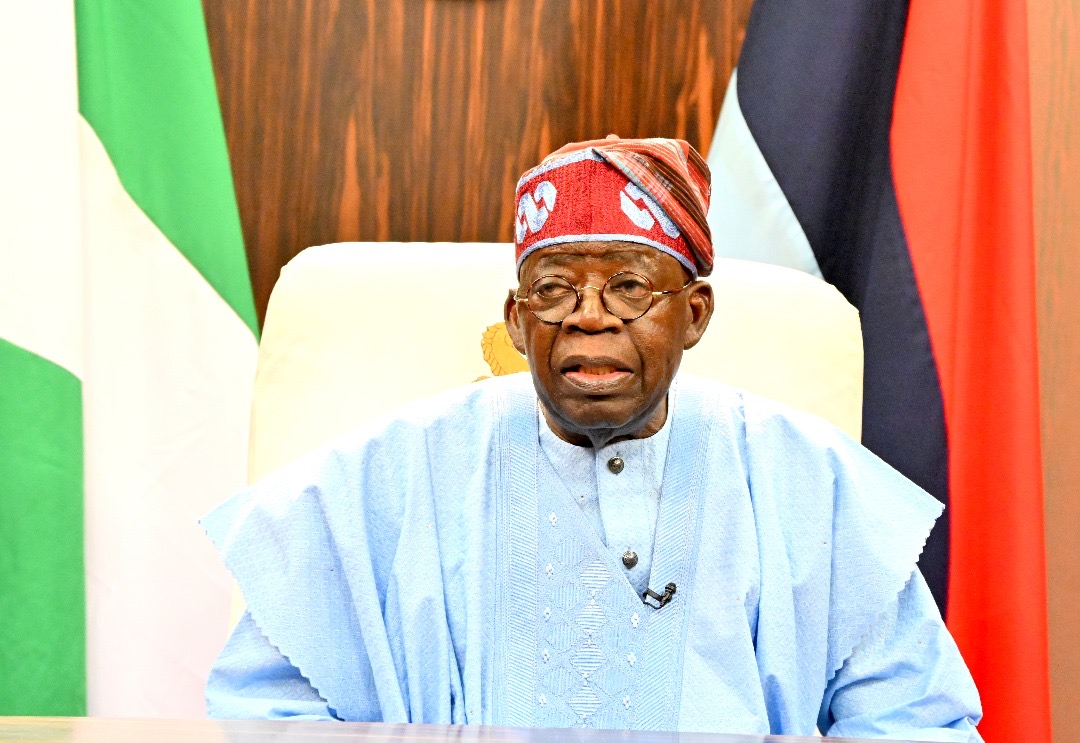
ABUJA — In his 66th Independence Anniversary address to the nation, President Bola Ahmed Tinubu delivered a firm rebuff to critics and opposition figures advocating for a return to universal fuel and foreign exchange subsidies. Warning that reverting to what he termed “addictive subsidies” would undo three years of hard-won economic stabilization, the President insisted that the nation must remain steadfast as it transitions from painful structural corrections to sustainable growth.
Drawing a vivid medical analogy to frame the country’s economic history, President Tinubu likened Nigeria’s pre-2023 financial condition to that of a terminal cancer patient whose doctors relied solely on painkillers rather than curative intervention.
“Nigeria was like a sick patient who receives the terrible news that he has cancer,” President Tinubu stated. “His doctor explains that the treatment will be difficult and painful, but that it offers a strong prospect of recovery. The patient has a choice. He can begin treatment, endure its discomfort and fight the disease. Or he can ask only for morphine, dull the pain and leave the cancer to spread. For too long, Nigeria’s leaders chose morphine while praying for a miracle that never came.”
Addressing widespread public discontent over the elevated cost of living, the President urged citizens to distinguish between the long-standing structural decay of the economy and the painful remedies applied to fix it. He emphasized that the removal of petrol subsidies and the unification of the exchange rate were corrective measures designed to confront deep distortions that had accumulated over decades.
“When this Administration assumed office, we resolved to do things differently. We chose to excise the cancer,” the President said. “The reforms that followed were difficult. The side effects were real. Yet, we must never confuse the medicine with the disease. Our reforms did not create the weaknesses in our economy. They confronted them.”
Reiterating that fiscal discipline must be maintained, President Tinubu cautioned Nigerians against listening to political voices urging the government to reverse course. Describing these proposals as a “siren song” of regressive populism, he warned that reintroducing fiscal palliatives would erode current macroeconomic gains, including a GDP growth rate exceeding 4 percent, stabilizing exchange markets, and record non-oil export revenues exceeding $6 billion in 2025.
The President declared that the initial, high-friction phase of the administration’s economic strategy has achieved its core objective: resetting Nigeria’s financial baseline.
Closing his argument, President Tinubu reassured citizens that the sacrifices endured over the past three years have repaired the nation’s financial foundations, paving the way for targeted relief in transport, agriculture, and youth employment.
“Now, as certain influential but regressive voices would have us abandon the treatment and return ourselves to the abuse of addictive subsidies, we must resist their siren song,” Tinubu warned. “The emergency treatment is over. The foundation has been repaired… The age of reform has done its work. Now begins the age of prosperity.”