The approaching 10th coronation anniversary of the Oba of Benin, His Royal Majesty, Omo N’Oba N’Edo Uku’Akpolokpolo Oba Ewuare II, provides Edo State with an important opportunity to reflect not only on its rich history and cultural heritage, but also on the physical environment around some of the most important symbols of that heritage.
At the heart of Benin City stands the ancient institution of the Benin Monarchy, whose palace occupies a position of enormous historical, cultural and spiritual significance to the people of Edo State and the wider world.
Just a short distance from the Palace is King’s Square, one of the most recognisable landmarks in the city centre and an important part of the historical landscape of the ancient Benin Kingdom.
It is therefore difficult to reconcile the magnificence, dignity and global cultural importance of the Benin Palace with the present state of the surroundings.
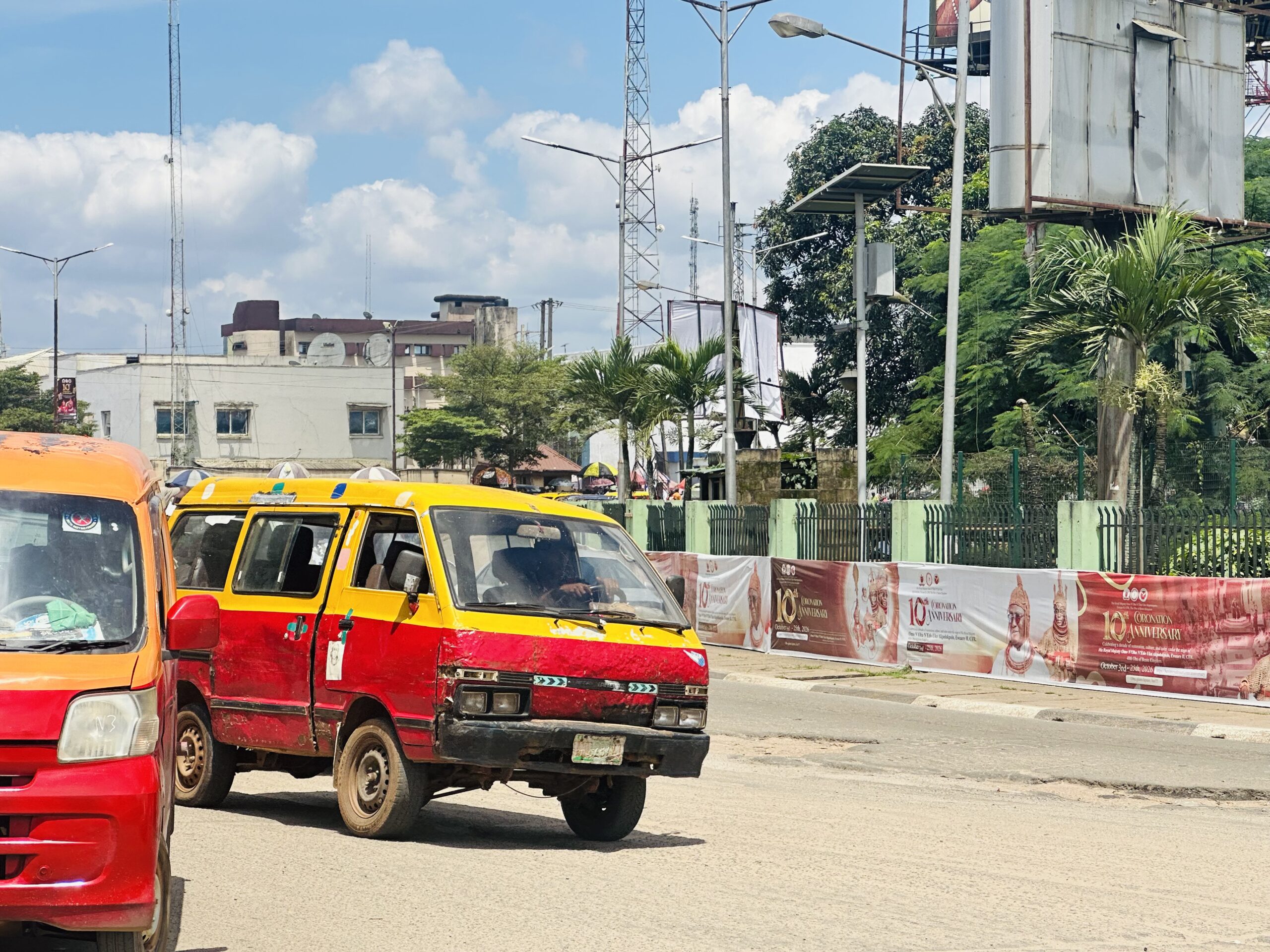
King’s Square, rather than projecting the beauty and dignity expected of a major cultural centre, has in recent years increasingly become a picture of disorder, congestion and neglect.
The situation is particularly troubling because of the activities of commercial vehicle operators, roadside traders, street urchins and other elements whose activities have combined to create an environment that is often chaotic, unsightly and, in some instances, intimidating.
This is not merely an issue of aesthetics.
It is an issue of dignity, security, tourism, culture and the image of Edo State.
For a city that proudly presents itself as the home of one of Africa’s most celebrated ancient civilisations, the immediate environment around the Palace of the Oba of Benin should be treated as a cultural precinct requiring special attention.
The King’s Square area ought to be one of the cleanest, safest and most attractive parts of Benin City. Instead, visitors approaching the Palace can be confronted by traffic congestion, indiscriminate trading, litter, touting and activities that diminish the grandeur of the environment.
This situation deserves urgent intervention, particularly as the State prepares to mark the 10th anniversary of the coronation of Oba Ewuare II.
The anniversary is more than a royal celebration. It is an opportunity to showcase Edo’s history, culture, traditional institutions, arts and hospitality to visitors from across Nigeria and the world.
It would therefore be unfortunate if guests arriving in Benin City to participate in or witness the anniversary celebrations are greeted by a city centre that does not reflect the pride and dignity of the Benin Kingdom.
The recent intervention by the Edo State Commissioner for Arts, Culture and Creative Economy, Hon. Chris Okaeben, who called on security agencies to restore sanity to the city centre, is commendable.
However, given the seriousness of the situation, the call needs to go beyond a general appeal.
There must be a clearly defined and coordinated operation involving the relevant security and enforcement agencies, including the Nigeria Police Force, the Edo State Security Network, traffic management authorities, the local government authorities and other agencies responsible for environmental sanitation and urban control.
There should also be a clearly announced timeline for action.
The people of Edo State do not need another open-ended promise to “restore sanity”. They need to see a practical plan, a commencement date and measurable results.
The authorities should identify the immediate problems around King’s Square, map out the areas affected by illegal trading and indiscriminate parking, remove obstructions, regulate commercial vehicle operations and establish a permanent enforcement mechanism to prevent the area from returning to its present condition.
At the same time, enforcement must be humane and orderly. Traders and commercial transport operators whose livelihoods are affected should, where appropriate, be provided with clearly designated and properly regulated alternative locations.
But alternative arrangements must not become an excuse for indefinite inaction.
The transformation of King’s Square should go beyond clearing traders and vehicles from the streets.
The entire precinct should be redesigned and beautified as a major cultural gateway to the historic heart of Benin City.
It should have proper landscaping, functional street lighting, pedestrian-friendly walkways, adequate drainage, appropriate signage, controlled parking and regular environmental sanitation.
Where appropriate, the area could also incorporate carefully designed cultural installations that tell the story of the Benin Kingdom and its remarkable contributions to African civilisation.
A clean and beautifully landscaped King’s Square could become more than a transit point. It could become a destination.
Visitors could be welcomed into an environment that immediately communicates the history, sophistication and cultural confidence of the Benin people.
This is particularly important at a time when Edo State is seeking to expand its tourism and creative economy.
A thriving cultural tourism industry cannot exist in isolation from the quality of the physical environment.
The Palace, King’s Square, Oba’s Market, the National Museum and other historic sites should be seen as components of a broader cultural heritage corridor requiring coordinated planning, investment and protection.
The 10th coronation anniversary of Oba Ewuare II provides a natural deadline for the authorities to begin and substantially complete the transformation of King’s Square and its immediate surroundings.
There is still an opportunity to make a statement.
Imagine visitors arriving in the ancient city and finding King’s Square clean, orderly, beautifully illuminated and properly landscaped, with traffic under control and the cultural significance of the area clearly communicated.
That would be a fitting tribute to the Benin Monarchy.
It would also be a statement about the direction in which Edo State is moving.
The responsibility, however, should not rest with government alone.
Traditional institutions, community leaders, traders’ associations, transport unions, security agencies, residents and businesses operating within the area all have roles to play.
The Benin Palace is not merely a building. It represents centuries of history, tradition and identity.
King’s Square, sitting within its immediate environment, should therefore not be allowed to become a symbol of urban disorder.
There is an urgent need to reclaim King’s Square—not simply from traders, motorists and street urchins, but from the culture of neglect that has gradually diminished one of Benin City’s most important public spaces.
The task is achievable.
What is required is political will, inter-agency coordination, sustained enforcement and a clear vision of what the city centre should represent.
The approaching coronation anniversary offers the perfect occasion to begin that process.
Edo State should seize the opportunity to restore the beauty, dignity and historical character of King’s Square.
When the world looks towards the Palace of the Oba of Benin, it should see not only the splendour of a revered traditional institution, but also a city and a people who understand the value of their history and are determined to preserve it.
King’s Square deserves nothing less.