BENIN CITY – The National Coordinator of the Network of People Living with HIV and AIDS in Nigeria (NEPWHAN), Mr.Ibrahim Abdulkadir, has called for increased media participation in addressing persistent challenges affecting healthcare delivery in Edo Statement, particularly in the areas of HIV, tuberculosis (TB) and malaria services.
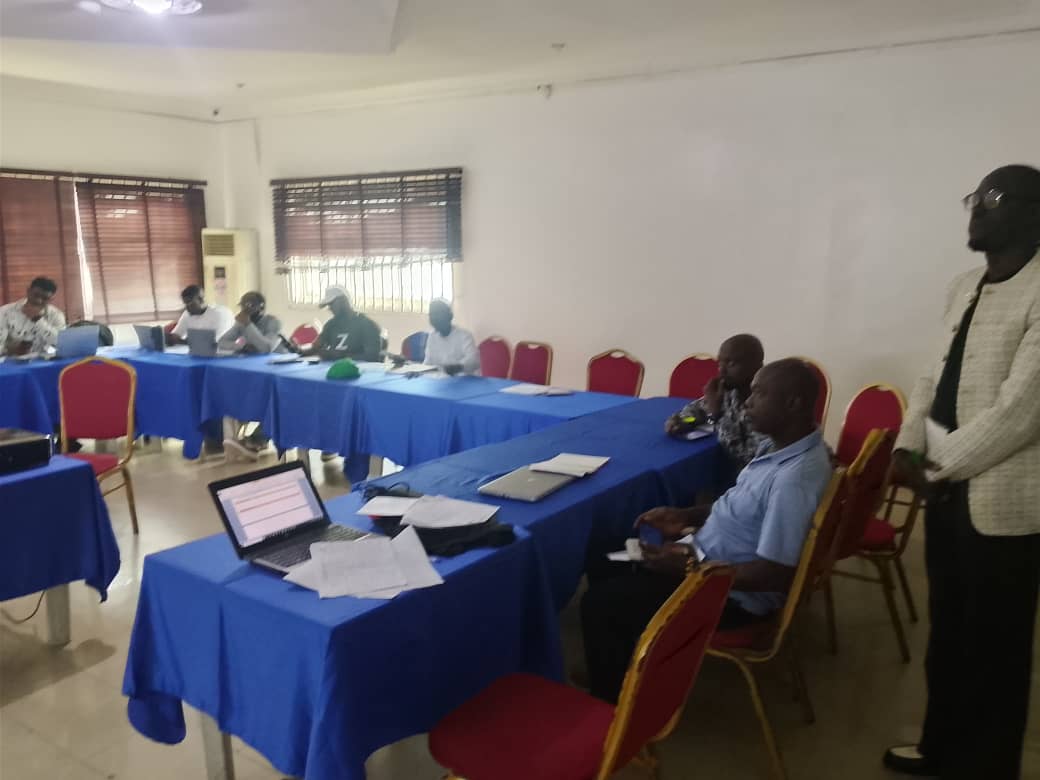
Abdulkadir made the call while declaring open a media roundtable on Communicating Community-Led Monitoring (CLM) Advocacy for Media Action, organised by NEPWHAN under its N-THRIP initiative in Benin City.
The roundtable brought together media practitioners and community-based organisations to examine healthcare challenges identified through community-led monitoring and explore ways the media could contribute to advocacy, public awareness and accountability in the state’s healthcare system.
Abdulkadir who was represented by Friday Osayande, the Edo State Coordinator NEPWHAN, provided insights into the operations of Community-Led Monitoring across Edo State.
The CLM-initiative, according to Osayande, focuses mainly on gathering evidence from healthcare users, identifying service delivery gaps and engaging relevant authorities to improve access to quality healthcare.
Also speaking at the media roundtable, Ngozi Fapohunda Monitoring and Evaluation officer NEPWHAN, highlighted the role of community-based organisations in monitoring healthcare facilities, documenting the experiences of people living with HIV (PLHIV), key populations and other vulnerable groups, and using the findings to engage government agencies and relevant stakeholders on the need to improve healthcare services.
The CLM-initiative, according to the Monitoring and Evaluation officer, involves Global Women for Quality and Sustainable Development (GWSD), Amber Care & Right Development Initiative (ACRDI) and Access to Health and Rights Development Initiative (AHRDI), all of which work with communities to identify challenges confronting patients and advocate solutions through evidence-based interventions.
Findings from the CLM activities identified several challenges affecting healthcare delivery in Edo State, including long distances to access antiretroviral therapy (ART) and TB services in Jattu, Iyekhei and Urohi, frequent stock-outs of essential HIV, TB and malaria commodities, inadequate infrastructure in public healthcare facilities, shortage of medical personnel and persistent stigmatisation of vulnerable groups.
The presentation identified shortages of essential commodities in parts of Etsako West, except at the Edo State University Teaching Hospital (EDSUTH), as well as at Oluku Primary Health Centre in Ovia North-East and Ubiaja Primary Health Centre in Esan South-East.
It also highlighted inadequate infrastructure at Stella Obasanjo Hospital and General Hospital, Ekpoma, and shortages of healthcare personnel in Esan South-East and Esan West.
According to the findings, these challenges affect PLHIV, key populations, TB and malaria patients, pregnant women, adolescents, young people and other members of the public accessing healthcare services.
The presentation noted that inadequate access to healthcare could lead to delayed treatment initiation, self-medication, potential drug resistance, incomplete referrals of TB and HIV-reactive patients from primary healthcare centres to comprehensive treatment facilities, as well as interruptions in treatment and continuity of care.
Other concerns identified included overcrowding, breaches of patients’ privacy, gender-based violence (GBV), gender and human rights violations, and the psychosocial effects of stigmatisation and inadequate healthcare services.
Fapohunda’s presentation indicated that the CLM initiative had gathered more than 5,800 Community Evidence Indicators (CEIs), conducted focus group discussions with PLHIV and key populations, and undertaken supportive supervision visits across healthcare facilities in the state.
The media presentation further disclosed that approximately 50 supportive supervision visits had been conducted across 30 healthcare facilities, alongside 12 focus group discussion sessions involving community members.
The engagements focused on the establishment of additional ART centres, renovation and equipping of primary healthcare facilities, increased awareness of TB, improved visibility of CLM activities and campaigns to address HIV-related stigma and gender-based violence.
The presentation disclosed that 21 issues had been identified through the monitoring exercise, leading to 12 advocacy engagements, with seven issues resolved and 14 still pending.
Among the successes recorded was the intervention of the National Human Rights Commission in addressing cases of GBV and gender and human rights violations against vulnerable women in Auchi, Etsako West Local Government Area.
The cases were reportedly referred to the commission, followed by advocacy visits and case tracking, which resulted in investigations, mediation and legal resolution.
The NHRC reportedly secured signed commitment forms from perpetrators and connected survivors to counselling services, providing support to affected women and other vulnerable community members, she added.
Another achievement highlighted was the expansion of the ART clinic at Stella Obasanjo Hospital following concerns over overcrowding and inadequate workspace.
She disclosed that an advocacy visit was made to the hospital’s Chief Medical Director, alongside staff of the CCCRN, to request a larger space that would improve privacy, ventilation and service delivery for patients receiving antiretroviral treatment.
According to her, the intervention reportedly led to the expansion of the clinic from a single room to three designated rooms for testing, pharmacy services and medical records, thereby improving the available space and working environment for HIV-positive clients.
Despite these achievements, the CLM initiative identified several unresolved challenges requiring urgent intervention by the state government and other relevant stakeholders.
These include deteriorating infrastructure at primary healthcare centres and General Hospital, Ekpoma, frequent stock-outs of essential commodities, including malaria test kits, high transportation costs for rural patients seeking treatment at comprehensive facilities, low TB awareness and continued stigmatisation of PLHIV and key populations.
The presentation attributed the challenges to factors including budgetary constraints, delays in the supply of essential commodities, weaknesses in stock monitoring, financial barriers faced by rural patients and inadequate community sensitisation.
It called on the Edo State Ministry of Health, EDPHCDA and other relevant authorities to invest in healthcare infrastructure, strengthen commodity forecasting and supply systems, establish buffer stocks at primary healthcare centres and accelerate the establishment of decentralised ART facilities in rural communities.
Speaking further, Fapohunda also disclosed that EDPHCDA had made a commitment to increase ART treatment facilities in underserved local government areas, with pilot implementation planned for Igueben and Ikpoba-Okha.
The NHRC was also reported to have successfully mediated and legally resolved referred GBV cases, while the NUJ, NOA and other stakeholders had indicated their willingness to support public awareness campaigns.
Against this backdrop, the media roundtable emphasised the need for journalists to play a more active role in promoting healthcare accountability by amplifying verified CLM findings through print, radio, television and online platforms.
She urged media practitioners to monitor government commitments, investigate persistent stock-outs and infrastructure deficiencies, educate the public on the Patient Bill of Rights and available grievance-reporting mechanisms, and sustain coverage of healthcare challenges beyond one-off events.
The Monitoring and Evaluation officer tasked media practitioners to investigate alleged claims of inadequate ART centres, the quality of healthcare services available to key population communities, discrimination against vulnerable groups, dilapidated healthcare facilities and the need to revitalise the Edo State Agency for the Control of AIDS (EDSACA).
The need to amplify community voices while protecting patients’ confidentiality and obtaining informed consent before publishing identifiable personal experiences was also duly canvased.
The community-led monitoring, according to the monitoring and evaluation officer, provides an avenue for healthcare users to document service delivery challenges, generate credible evidence and engage relevant authorities with recommendations aimed at improving the healthcare system.
She maintained that sustained collaboration among community-based organisations, government agencies, healthcare providers, civil society organisations and the media was essential to translating identified challenges into practical solutions.
Meanwhile, stakeholders present at the media roundtable called for continuous monitoring of commitments made by relevant authorities, particularly the planned expansion of ART facilities, renovation of healthcare centres and improvement in the supply of essential medical commodities.
With the ultimate objective of community-led monitoring in ensuring that all residents of Edo State, irrespective of their location or social circumstances, access quality, affordable, safe and uninterrupted HIV, TB and malaria services, timely interventions, on the part of critical stakeholders, are essentially needed in addressing these healthcare challenges.
Stakeholders concluded with a call for evidence-based reporting, targeted advocacy, sustained media engagement and consistent follow-up to ensure that concerns raised by communities translate into measurable improvements in healthcare delivery across Edo State.