A decade of royal renaissance, cultural resurgence and the enduring majesty of the Benin throne BENIN CITY: In the heart of the ancient Benin Kingdom, where history speaks through the grandeur of the royal palace, the splendour of coral beads and the enduring dignity of ancestral traditions, the throne stands majestically as a symbol of identity, continuity and the collective memory of a great people.
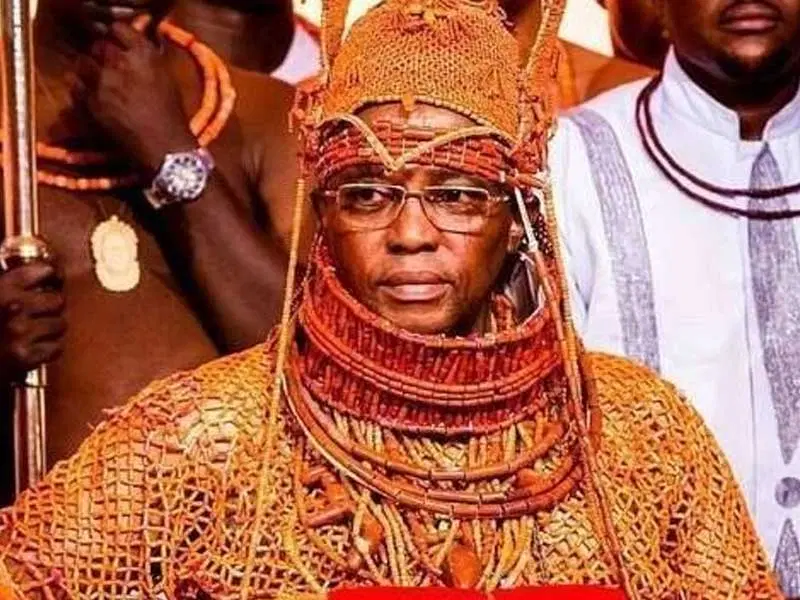
Today, that throne is the centrepiece of a historic celebration as His Royal Majesty, Omo N’Oba N’Edo Uku Akpolokpolo, Oba Ewuare II, CFR, marks his birthday and the 10th anniversary of his coronation as the 40th Oba of Benin. It is a remarkable convergence of two momentous occasions: the birthday of a monarch whose life has been shaped by service and diplomacy, and the celebration of a decade of royal leadership in one of Africa’s most distinguished traditional institutions.
Ten years ago, on October 20, 2016, the ancient kingdom witnessed the enthronement of a new monarch following the transition from the reign of his revered father, Oba Erediauwa. The coronation of Oba Ewuare II was not merely the installation of another occupant of the royal throne. It was the renewal of an ancient covenant between the monarch, his ancestors and the people of Benin—a covenant founded on the preservation of culture, the dignity of the kingdom and the responsibility of safeguarding a heritage that has survived centuries of change.
As the kingdom celebrates this milestone, the significance of the Benin monarchy is once again brought into sharp focus. The throne remains a powerful repository of the kingdom’s history, its customs, its spirituality and its distinctive place in the cultural evolution of Nigeria and Africa. The Benin monarchy occupies a unique position in the history of traditional institutions in Nigeria. Its roots reach deep into the past, sustained by an elaborate system of royal succession, palace institutions, guilds, chiefs and cultural practices that have shaped the identity of the Edo people across generations.
The palace is much more than the residence of the Oba. It is the spiritual and cultural centre of the kingdom, a living institution through which the history of the people is preserved and transmitted.
Its authority is reflected in the reverence accorded the monarch, the intricate customs of the royal court, the craftsmanship of Benin artists and the enduring significance of ancestral traditions. The story of the throne is also a story of resilience.
The kingdom endured the traumatic events of the 1897 British invasion, during which Benin City was invaded, the palace was destroyed and thousands of priceless cultural objects were looted. The exile of Oba Ovonramwen Nogbaisi marked one of the most painful chapters in the history of the kingdom.
Yet the institution survived.
The rebuilding of the palace and the restoration of the monarchy under subsequent Obas demonstrated the determination of the Benin people to preserve their identity and reclaim their place in history.
It is against this background that the 10th coronation anniversary of Oba Ewuare II assumes profound historical significance. The celebration is not only about the passage of ten years but also about the continuing vitality of an ancient institution that remains central to the cultural consciousness of its people. Born on October 20, 1953, Oba Ewuare II, then known as Prince Eheneden Erediauwa, was prepared for a life of public service long before his emergence as the Oba of Benin.
His educational and professional journey took him beyond the shores of Nigeria, where he acquired academic qualifications and diplomatic experience that broadened his understanding of international relations and global affairs.
Before ascending the throne, he served Nigeria in the diplomatic arena, including as Ambassador to Sweden and in other international postings.
That background brought a distinctive dimension to his emergence as monarch. The experience of diplomacy, international engagement and public service became part of the wider context of his reign, particularly in the kingdom’s engagement with the global community over issues of culture, heritage and the restoration of looted Benin treasures.
His coronation on his 63rd birthday in 2016 was the culmination of a series of traditional rites and ceremonies that formally prepared him for the responsibilities of the ancient throne. The moment was historic. A new chapter had opened in the life of the kingdom.
One of the defining themes of Oba Ewuare II’s reign has been the renewed emphasis on Benin cultural identity and the preservation of the kingdom’s heritage.
The monarch’s role as custodian of tradition has been reflected in the continued observance of royal ceremonies, the promotion of Benin history and the encouragement of cultural activities that connect younger generations with their ancestral roots.
The palace remains a focal point for the celebration of the kingdom’s rich artistic and cultural traditions, from the intricate beauty of Benin bronze and ivory craftsmanship to the elaborate coral bead regalia that symbolise royal authority and prestige.
The anniversary programme itself has provided a platform for cultural festivals, exhibitions, lectures, sporting activities and other engagements designed to celebrate the history and achievements of the kingdom. These activities underscore the enduring relevance of traditional institutions in contemporary society. They demonstrate that culture is not a relic of the past but a living inheritance that continues to shape identity, values and community life.
For the Benin people, the celebration is also an opportunity to reflect on the responsibility of preserving their heritage for generations yet unborn.
The campaign for the return of cultural objects looted during the 1897 British invasion has remained a major issue in the international cultural heritage debate.
Oba Ewuare II has consistently championed the restoration of Benin artefacts, stressing their historical, spiritual and cultural significance to the kingdom.
The objects, many of which are held in museums and private collections outside Nigeria, represent far more than artistic masterpieces. They embody the history, craftsmanship, religious traditions and collective memory of the Benin people. The return of artefacts in recent years has brought renewed hope to the kingdom’s long-standing campaign. For the palace and the people of Benin, every returned artefact represents a meaningful restoration of history and dignity.
The campaign remains a defining expression of the kingdom’s determination to reclaim its cultural patrimony and ensure that the story of Benin is told with the objects, voices and historical perspectives of its own people. The traditional institution carries responsibilities that extend beyond ceremonial functions. It is a point of reference for cultural identity, community dialogue and the preservation of customs that have helped sustain the kingdom through periods of political and social transformation.
The palace continues to receive traditional rulers, political leaders, diplomats, scholars and other distinguished visitors, reflecting the enduring influence of the Benin monarchy in the affairs of Edo State and the wider Nigerian society. In a rapidly changing world, the institution offers a sense of continuity—a reminder that a people’s identity is rooted not only in the present but also in the history and values inherited from previous generations.
The 10th coronation anniversary therefore provides an occasion for the Benin people to renew their attachment to their heritage and reflect on the role of the monarchy in the future of the kingdom.
For Oba Ewuare II, the celebration carries an additional personal significance.
The monarch was born on October 20, 1953, and was crowned on the same date in 2016. His birthday and coronation anniversary have consequently become inseparable in the calendar of the Benin royal institution.
The coincidence gives the celebration a distinctive character: a birthday that marks the life of a man and an anniversary that commemorates his emergence as the custodian of an ancient throne. As the monarch turns 73, the occasion offers the kingdom an opportunity to reflect on his journey from prince and diplomat to the revered traditional ruler of the Benin people.
It is also a moment to celebrate the enduring bond between the monarch and his people, expressed through the reverence accorded the throne and the collective pride in the kingdom’s history.
The Benin throne has witnessed generations of rulers, periods of glory, moments of adversity and the steady passage of history.
Its survival is a testament to the resilience of the people and the enduring power of their cultural identity. The monarch’s birthday and coronation anniversary thus transcend the celebration of an individual. They represent the affirmation of a kingdom whose history remains alive in its people, its palace, its customs and its enduring determination to preserve its place in the world. As royal drums sound and the ancient city celebrates, the message of the occasion is unmistakable: the throne endures, the heritage lives on, and the kingdom remains steadfast in its reverence for its monarch.
Oba ghato kpere, Ise!
As the ancient kingdom celebrates its revered monarch’s birthday and 10th coronation anniversary, the reign of Oba Ewuare II stands as a defining chapter in the preservation of Benin heritage, the renewal of royal traditions and the affirmation of the kingdom’s historic identity, writes MATTHEW OKAGHA
The monarch’s advocacy has helped sustain international attention on the issue, reinforcing the demand that cultural objects taken under colonial violence should be returned to their rightful communities.
Beyond the splendour of the palace and the rituals of the royal court, the Oba remains a central symbol of unity among the people of Benin.
Ten years into the reign of Oba Ewuare II, the ancient institution continues to command respect as a symbol of heritage, tradition and continuity.
Long live Oba Ewuare II.
Long live the Benin Kingdom.
Long live the ancient throne.