A father to his people, a custodian of history and a symbol of Edo identity
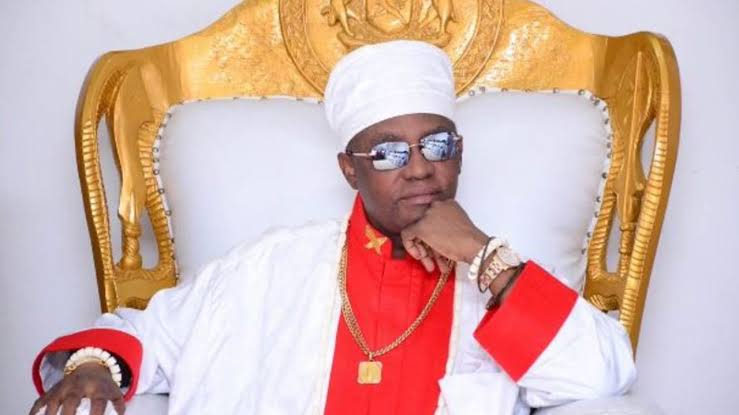
BENIN CITY — In the Benin Kingdom, the Oba is far more than a traditional ruler. He is a father to his people, a custodian of their history, a guardian of their culture and, for many, a sacred link between the living and their ancestors.
This profound relationship between the throne and the people explains the enduring reverence with which the Benin monarchy is regarded across generations. It is a bond rooted in history, tradition and identity, and one that has remained unmistakable during the 10 years of the reign of His Royal Majesty, Omo N’Oba N’Edo Uku Akpolokpolo, Oba Ewuare II, CFR.
For the people of Benin, the Oba represents the continuity of a kingdom whose traditions have endured centuries of change, adversity and transformation.
HE IS OUR LIVING ANCESTOR
To the Edo people, the Oba occupies a position of extraordinary spiritual and cultural significance. In traditional Benin belief, he is regarded as a living link between the present generation and the ancestors, embodying the history, aspirations and sacred heritage of the kingdom.
His authority transcends the ordinary functions of leadership. The prayers and traditional rites associated with the throne are believed to invoke divine protection, peace and prosperity for the land and its people.
The annual Igue Festival, one of the kingdom’s most important traditional observances, underscores this spiritual responsibility. Through its ceremonies of thanksgiving, renewal and prayers for the kingdom, the festival reinforces the enduring connection between the Oba, his people and their ancestral heritage.
It is this sacred dimension of the monarchy that makes the throne inseparable from the identity of Benin.
HE CARRIES CENTURIES OF HISTORY
The Benin monarchy is one of Africa’s remarkable historical institutions, with a royal lineage extending over many centuries.
From the ancient traditions of Igodomigodo to the emergence and expansion of the great Benin Kingdom, the throne has remained a powerful symbol of political authority, cultural continuity and collective identity.
The kingdom endured the devastating British invasion of 1897, the exile of Oba Ovonramwen and the profound disruptions of colonial rule. Yet its monarchy and cultural institutions survived, preserving a heritage that continues to command international attention.
When an Edo man or woman pays homage to the Oba, the gesture is not merely an expression of respect for an individual ruler. It is also a recognition of the generations of history, sacrifice and resilience represented by the throne.
HE IS THE CUSTODIAN OF OUR ART AND HERITAGE
The world recognises Benin for its extraordinary artistic achievements — the celebrated Benin Bronzes, intricate ivory carvings, magnificent coral beadwork, royal regalia and traditional music.
These artistic treasures are inseparable from the history of the palace and the skilled craftsmen whose creativity helped establish Benin as one of Africa’s great centres of artistic excellence.
The Oba occupies a central position in the preservation and promotion of this heritage.
Under Oba Ewuare II, the campaign for the return of artefacts looted during the 1897 British invasion has remained a defining cultural concern. The return of Benin treasures from foreign institutions is therefore more than the recovery of valuable works of art. For many Edo people, it represents the restoration of a vital part of their history, dignity and ancestral inheritance.
Every returned artefact is a reminder that the kingdom’s cultural legacy belongs not only in museums abroad but also within the historical consciousness of its people.
HE IS ABOVE PARTISAN POLITICS, A FATHER TO ALL
One of the enduring strengths of the Benin monarchy is its capacity to unite people across political, social and religious differences.
Whether a person belongs to the APC, PDP, Labour Party or any other political association, the Oba remains a traditional father figure to all.
The palace provides a cultural and customary platform for addressing grievances, promoting reconciliation and encouraging peaceful coexistence. In matters involving families, communities, land and traditional relationships, many people continue to seek the intervention of the palace, whose authority is rooted in centuries of custom.
The Oba’s position above partisan politics also places a responsibility on the throne to remain a unifying institution — one that listens to all sides and promotes the collective interest of the kingdom.
This is why political leaders across party lines often seek the Oba’s audience and recognition. The throne represents a constituency much greater than any political party: the people of Benin.
HE KEEPS OUR LANGUAGE AND CULTURE ALIVE
In a rapidly changing world where indigenous languages and cultural practices face the threat of extinction, the Benin monarchy remains an important anchor of cultural preservation.
The Bini language, traditional names, coral bead regalia, palace ceremonies, music, dance and festivals are essential expressions of Edo identity.
Oba Ewuare II, following the cultural legacy of his father, Oba Erediauwa, has continued to draw attention to the importance of preserving and promoting Benin traditions.
Through the palace and its cultural activities, younger generations are reminded that modernity need not mean the abandonment of their roots.
The continued observance of traditional festivals, the use of the Bini language and the preservation of royal customs affirm that Benin culture is not merely a relic of the past. It is a living heritage that continues to shape the present and inspire the future.
THE PEOPLE’S REVERENCE IS UNMISTAKABLE
The love and respect for the Oba are evident in the public celebrations, palace ceremonies, traditional greetings and expressions of loyalty that accompany important occasions in the kingdom.
The reverence is also reflected in the careful observance of palace protocols, which distinguish the sacred institution of the monarchy and its ceremonial traditions.
Practices concerning royal greetings, the use of umbrellas during certain ceremonies, and the conduct expected within the palace environment are part of a broader tradition of respect for the throne.
For many Edo people, these customs are not empty formalities. They are expressions of belonging, cultural pride and a deep attachment to the institution that has helped define their collective identity.
FROM EWUARE THE GREAT TO EWUARE II
The story of the Benin monarchy is also a story of remarkable rulers whose reigns have left enduring marks on the kingdom.
Oba Ewuare the Great, who reigned approximately from 1440 to 1473, is remembered for his transformative leadership and the expansion of Benin’s political and cultural influence.
Oba Erediauwa, the father of the present monarch, was widely admired for his wisdom, dignity and intellectual approach to traditional leadership.
Today, Oba Ewuare II carries the responsibility of sustaining that historical legacy while guiding the monarchy through the demands of a modern society.
Ten years after his coronation on October 20, 2016, the throne remains a rallying point for cultural pride, ancestral memory and the aspiration for peace and unity.
For the people of Benin Kingdom, Edo State and the wider Edo community across the world, the Oba is more than a traditional ruler.
He is the enduring symbol of a people’s history, the guardian of their heritage and a father whose throne continues to command profound affection and reverence.
To love the Oba is, for many Edo people, to honour the history and identity of Benin itself.
Oba gha to kpere! Ise!