Africa’s demographic transition presents both a historic opportunity and a profound development challenge. According to projections by the United Nations, the continent’s population is expected to increase from approximately 1.5 billion people in 2024 to about 2.5 billion by 2050, accounting for more than one-quarter of the global population. At the same time, Africa will experience the world’s fastest growth in its working-age population, with hundreds of millions of young people entering labour markets over the next three decades. However, rapid population growth and accelerating rural-to-urban migration are intensifying pressure on its cities that already face significant housing shortages, inadequate infrastructure, transport congestion, and overstretched public services.
While technological change, automation, and artificial intelligence are reshaping global labour markets, most African economies continue to struggle to generate sufficient high-productivity and formal-sector employment opportunities. Compounding this challenge are increasingly restrictive immigration policies in many traditional destination countries, limiting opportunities for African migrants and reducing labour mobility. Consequently, a growing mismatch between labour supply and employment demand has contributed to persistent youth unemployment, underemployment, informality, poverty, and inequality across the continent. Against this backdrop, the Africa Careers Network (2023) contended that “Africa’s high population growth is met with insufficient creation of decent jobs.”
An estimated 10-12 million young Africans enter the labour market annually, yet only a fraction of the required jobs are created, forcing many into low-productivity informal activities. Unless African governments implement transformative and inclusive economic policies, the continent’s anticipated demographic dividend could become a demographic liability. Strategic investment in rural economies therefore represents not merely a development option but a demographic and economic imperative. Based on the preceding arguments, key policy imperatives for the African Union, the African Development Bank, Regional Economic Communities, and other development actors centre on reforming education, strengthening rural infrastructure, enhancing institutional and human capacities, ethical governance and fostering resilient security frameworks to address the complexities of contemporary development.
Education Reforms
Many young Africans perceive rural communities as spaces of limited economic opportunity, fuelling large-scale migration to urban centres. Yet this migration has intensified pressures on cities, which increasingly face unemployment, housing shortages, expanding informal settlements, crime, overstretched infrastructure, and widening socioeconomic inequalities. In this context, institutions of higher learning, primary education and media have a pivotal role in reshaping perceptions of rural development. Through rural-oriented programmes, research, innovation, teaching, and community engagement, these institutions can demonstrate that rural regions are not merely agricultural production zones but potential career destinations and sustainable communities.
In parallel, the continent’s higher education institutions should prioritise the integration of contemporary and future-oriented disciplines, such as artificial intelligence, digital innovation, data analytics, cybersecurity, green entrepreneurship, eco-tourism, climate change science, renewable energy systems, sustainability studies, and Fourth Industrial Revolution technologies, into teaching and learning frameworks, given their transformative implications for economic competitiveness, environmental sustainability, workforce development, and societal resilience.
Resilient Security
Rural insecurity represents one of the most significant barriers to sustainable development across Africa, where violent extremism, communal conflicts, organised crime, and competition over natural resources continue to undermine livelihoods, agricultural productivity, economic growth and sustainability. Durable peace in Africa, where rapid population growth, youth unemployment, poverty, marginalisation, and increasing competition over land and water resources continue to fuel localised conflicts and social instability, requires more than military intervention. Sustainable security depends on an integrated approach that combines effective law enforcement, community policing, intelligence-led security operations, and strengthened local governance with investments in education, youth employment, entrepreneurship, social protection, conflict-resolution mechanisms, and equitable access to economic opportunities.
Rural Infrastructure
Africa’s rural infrastructure deficit remains one of the most significant constraints to inclusive growth, structural transformation, and sustainable rural development. Although these areas accommodate a substantial share of the continent’s population, employ a significant amount of Africa’s workforce and account for most agricultural production, inadequate transport networks, unreliable electricity supply, limited digital connectivity, insufficient irrigation systems, weak healthcare infrastructure, and under-resourced educational institutions continue to suppress productivity, investment, and enterprise development. According to the African Development Bank, Africa faces an infrastructure financing gap estimated at between US$68 billion and US$108 billion annually, with rural communities bearing a disproportionate share of these deficits. Given the magnitude of these challenges and the role rural areas play in Africa’s sustainability, the need for targeted and sustained investment interventions in this direction cannot be overemphasised.
Human Capacity
A critical impediment to Africa’s rural transformation is the persistent underinvestment in emerging skills that increasingly drive modern economies. Rural education systems, vocational institutions, and skills-development centres often lack the resources and technological capacity needed to prepare young people for the demands of a contemporary digital and knowledge-based economy. As a result, rural economies continue to be characterised by low technological adoption, weak innovation ecosystems, limited value addition, and low productivity. This skills deficit is particularly concerning given that Africa is expected to account for a significant share of global labour-force growth in the coming decades. In addition, the benefits of enhanced skills and innovation cannot be fully realised without greater financial inclusion and access to productive assets. In other words, capacity-building initiatives must be accompanied by investments in inclusive financial systems, rural infrastructure, digital connectivity, and innovation ecosystems.
Ethical Governance
Even well-conceived rural development strategies in Africa are unlikely to yield meaningful outcomes without political will and accountability, requiring concrete reforms, regulatory measures and ethical governance. The continent possesses approximately 60% of the world’s remaining uncultivated arable land and vast reserves of strategic minerals that underpin the global economy, including about 70% of global cobalt production, significant shares of the world’s platinum, manganese, chromium, gold, diamonds, bauxite, uranium, and increasingly critical green-transition minerals such as lithium and rare earth elements. It is endowed with substantial oil and gas reserves, extensive renewable energy potential, and a youthful population.
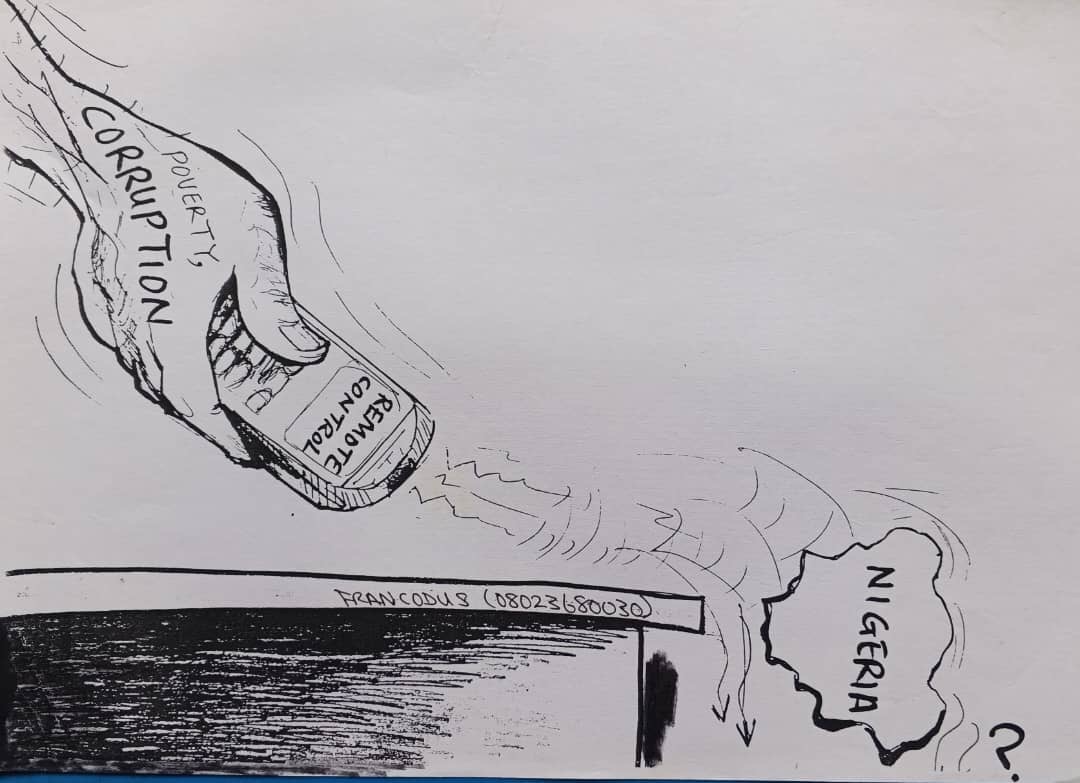
Historically, African minerals powered the industrial revolutions of Europe and North America. Similarly, Africa exports billions of dollars’ worth of crude oil, gas, agricultural commodities, and raw minerals annually; yet, it remains home to some of the highest levels of poverty, unemployment, food insecurity, and infrastructure deficits, reflecting a persistent governance rather than a resource challenge. Weak governance, corruption, illicit financial flows, political instability, and ineffective public institutions have often prevented resource wealth from translating into broad-based socioeconomic progress.
Author
Dr Ishmael Obaeko IWARA is a development economist, rated by the South African National Research Foundation.