Abuja – The Nigeria Extractive Industry Transparency Initiative (NEITI) says it is collaborating with the Economic Financial Crimes Commission (EFCC) to prosecute cases of financial crime in the extractive industry.
The Executive Secretary of NEITI, Mr Waziri Adio, made this known when he featured at the News Agency of Nigeria (NAN) Forum in Abuja.
“We are also evaluating the way we do our work.
“And we are also reaching out to different strategic partners, for example the EFCC.
“There are some things that are criminal in nature. We don’t have powers to investigate and to prosecute.
“So now we are engaging with EFCC to say please help us investigate further and help us prosecute whoever should be prosecuted.’’
Cue out audio
He said EFCC pledged to set up a joint tax force with NEITI.
He said the force would look into NEITI’s audit reports and ascertain areas where economic and financial crimes had been committed and the individuals involved.
“They have power and the skills to investigate; so they will go further to investigate and when we find out that there is ground for prosecution, they will do that.
According to him, NEITI is working hard to facilitate the amendment of some of the laws in the Act establishing the agency to close some of the gaps therein.
Adio said in spite of some challenges, NEITI’s the achievements were evident in the amount of monies recovered by EFCC and the number of frauds uncovered in the industry.
“We hope that we are able to strengthen this relationship with EFCC and not because we take delight in sending people to jail, but because we want things to be done properly
“We want people to say that Nigeria is a country that is fantastically efficient, developed, open, transparent, and accountable.’’
He expressed optimism that Nigeria will turn around its fortunes in the light of the efforts NEITI and the present government to use judiciously the revenues from natural resources and jump start development.
“We believe that this is the time to change the narrative about what we do as a country and also the time to change the fortunes of our people because they deserve better deals.’’
On the organisation’s efforts at implementing its audit reports, the executive secretary said NEITI was sensitising both the policy makers and the populace to drive the process.
He said part of these efforts was also putting the right information in the public domain that will enable the citizenry to hold relevant authorities accountable.
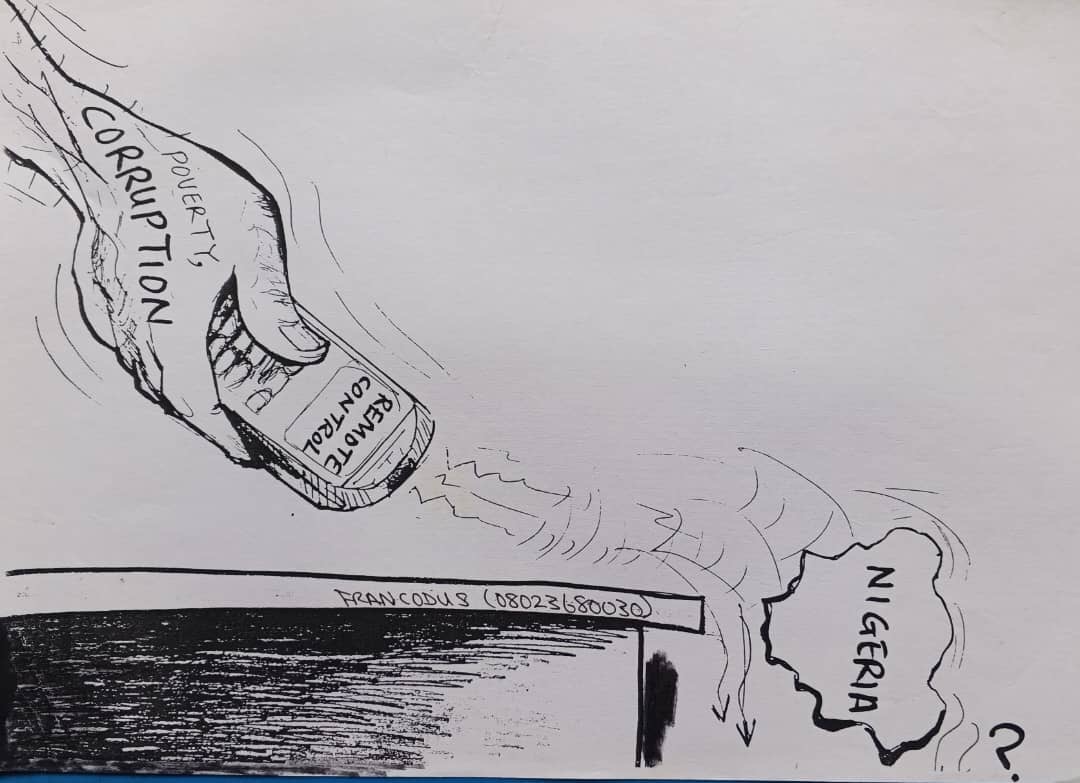
“We engage people more through the media, we are using social media, info graphics and cartoons because we want a situation where everybody will be pulled in the same direction.
“We want a situation where auditor general will be doing his work, policy makers and civil society will be doing their work and the citizens will also have information.
“And by the time we have all of this, we will be able to create that critical momentum that will bring about the change we want in our country.’’