Crude Oil Refiners Association of Nigeria (CORAN) has asked the Federal Government to sell the government-owned Port Harcourt, Warri, and Kaduna refineries, managed by the Nigerian National Petroleum Company Limited (NNPCL), to fund modular ones.
CORAN, in an interview with Sunday PUNCH, said the sale of the refineries was and funding modular refineries with the proceeds was the only way out of the incessant fuel crisis in the country.
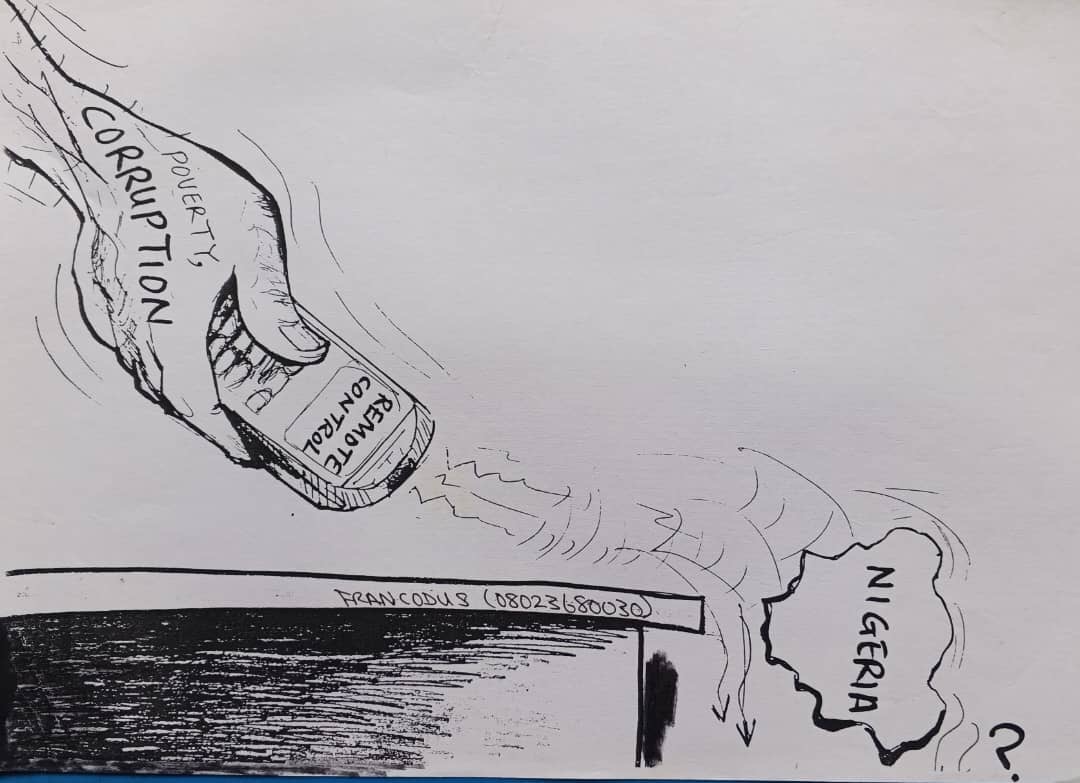
Nigerians are currently experiencing a fresh bout of excruciating fuel queues in filling stations across the country, with pump price of petrol rising to as high as N1,000 per litre in some areas.
The fuel queues and high cost of the product have defied NNPCL’s assurances that it has everything under control, and the impact is being felt in high cost of goods and services occasioned by the rise in cost of transportation.
Speaking to Sunday PUNCH, CORAN Publicity Secretary, Eche Idoko, expressed concerns that the Federal Government has expended over $1bn to rehabilitate the Port Harcourt refinery, yet the facility has yet to start production despite six postponements.
Idoko argued that the fuel queues would not go away unless the country starts refining its crude locally.
According to him, modular refineries should be given intervention funds which would also give the government stakes in the refineries.
He noted that the reason for the fuel crisis in Nigeria was that the country does not have enough refined products as the cost of importing fuel with foreign exchange is a burden on the government, especially when subsidy payment is involved.
“We are not asking for free money. The government should set up an intervention fund in which people can access credit. So, it’s not free money. There are a lot of intervention funds in the agricultural sector,” Idoko said.
“The $1.5bn spent on the Port Harcourt refinery could be used to develop 10 modular refineries to be able to produce PMS of a minimum of 10,000 barrels per day. That is about 100,000 barrels a day.
“And if you have 100,000 barrels per day, at least, with the Dangote refinery, you would have solved that problem. We would actually have enough to begin to export,” he said.
Idoko maintained that no one else could import PMS because of the government subsidy and the lack of foreign exchange.
Suggesting a way out of repeated fuel scarcity, he said the low-hanging fruit was simply to empower the modular refineries.
“A modular refinery takes an average of 12 to a maximum of 18 months to set up. This administration can identify and select from the modular refineries that are already on stream to support them,” he said.