By Caroline Ameh
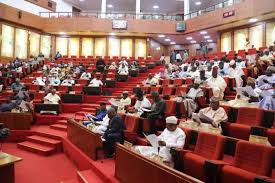
In response to escalating security challenges nationwide, the Nigerian Senate has resolved to convene a two-day National Security Summit, aimed at finding lasting solutions to the country’s pervasive insecurity.
The summit, reminiscent of similar gatherings during the 8th and 9th National Assemblies, will bring together delegates from federal, state, and local governments, as well as representatives from traditional institutions. The goal is to propose practical and legitimate strategies to tackle insecurity across Nigeria.
The Senate also resolved that the Federal Government should act on the summit’s recommendations by overhauling the national security architecture and adopting proactive and pragmatic policies.
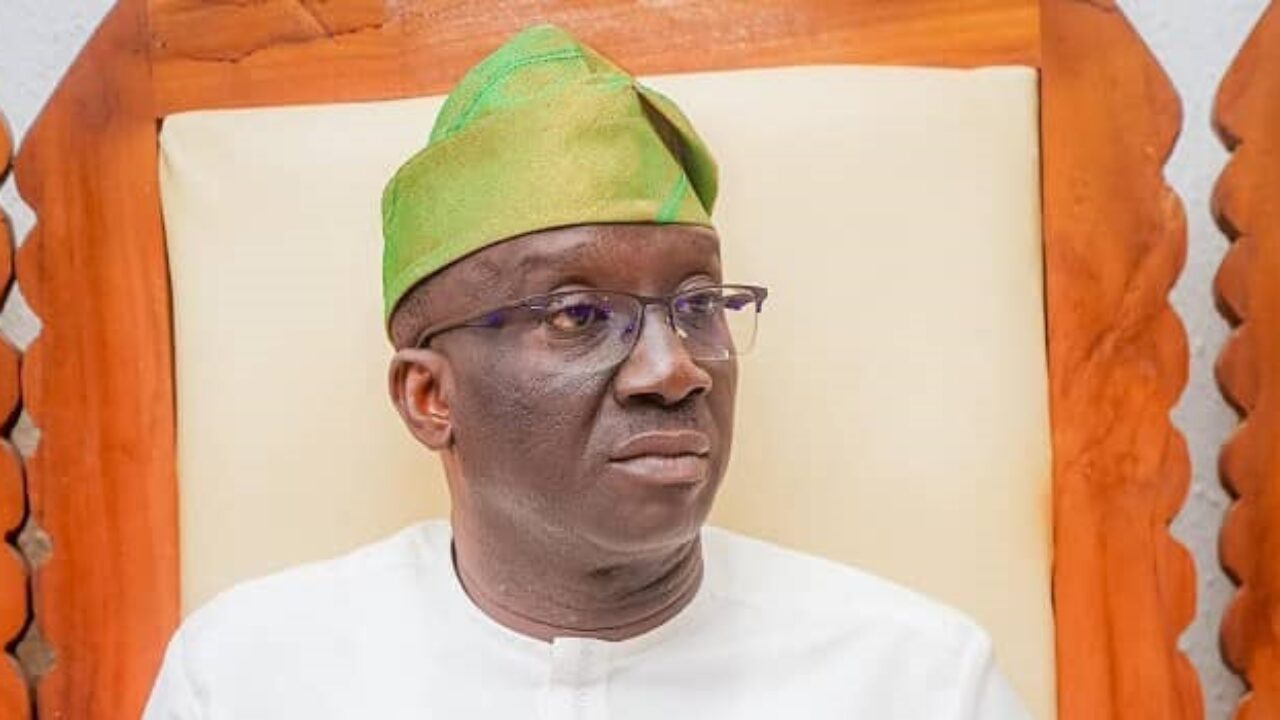
These resolutions followed a motion titled “Urgent Need for a National Security Summit”, sponsored by Senator Jimoh Ibrahim (APC, Ondo South), and co-sponsored by Senators Zam Titus, Peter Onyeka Nwebonyi (APC, Ebonyi North), and Osita Ngwu (PDP, Enugu West).
In presenting the motion, Senator Ibrahim pointed to the growing global insecurity, citing the Russia-Ukraine conflict and tensions between the global north and south. He warned these dynamics have worsened food insecurity, disrupted global development goals, and intensified economic conflicts.
“The new international order—shaped by immigration controls, tariff wars, and economic protectionism—is undermining globalization and fuelling insecurity,” Ibrahim said. He stressed that Nigeria must reassess its strategic international engagements and the Senate’s advisory role to ensure national sovereignty and security.
He further noted that insecurity in Nigeria has spread across urban and rural areas, with banditry, kidnappings, and terrorism becoming more prevalent. Despite the efforts of the military and security partners, he said, the underlying causes—linked to global economic pressures and policy shifts—remain unaddressed.
Recalling Nigeria’s history of political crises, from the Kano riots of 1953 to the 1983 general elections, Ibrahim argued that the country must proactively prevent further instability.
He emphasized that the proposed summit would not only complement President Bola Tinubu’s peace efforts under the Renewed Hope Agenda but also provide fact-based, expert-driven intelligence to strengthen national security strategies.
“No country thrives by normalizing insecurity,” Ibrahim said. “A National Security Summit is vital to harness collective ideas that will support the President’s vision and secure the peace of the nation.”
The date for the summit is expected to be announced in the coming weeks.