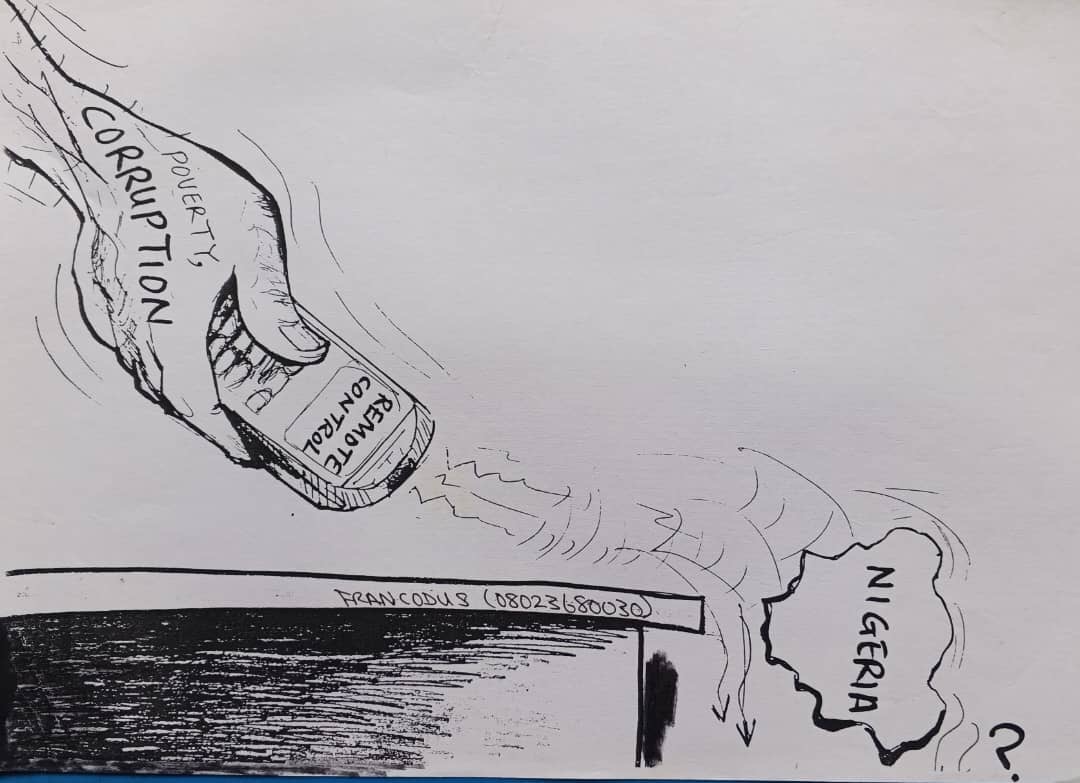
The quest to fast-track development across communities in the oil-rich Niger Delta region led to the establishment of the Oil Mineral Producing Areas Development Commission (OMPADEC) in 1992. However, the lofty vision behind OMPADEC was undermined by inefficiency, poor project execution, and allegations of corruption, which limited its overall impact.
In response, the Federal Government replaced OMPADEC with the Niger Delta Development Commission (NDDC) in 2000, with a broader and more strategic mandate. The Commission was tasked with addressing persistent infrastructural deficits and socio-economic challenges across the nine oil-producing states of the federation.
The NDDC was envisioned as a vehicle for sustainable transformation—driving rapid, balanced, and holistic development, while fostering economic prosperity, social stability, ecological regeneration, and political peace in the region. Structurally, it operates through a Governing Board, with offices spread across the oil-producing states to ensure grassroots reach and effective coordination.
Like many public institutions, the NDDC has not been without its challenges. Frequent leadership changes, political interference, and corruption concerns have, at different times, slowed its progress and eroded public confidence.
These setbacks have often overshadowed its developmental strides.
Despite these hurdles, the Commission has, over the past 25 years, recorded measurable impacts in key sectors. Its interventions span healthcare delivery, educational support, economic empowerment, road construction, agriculture, communications, security, community development, and rural electrification. These efforts have contributed to improving living standards in several Niger Delta communities.
A notable shift is emerging under the current Governing Board led by Chinedu Ebie. The leadership has demonstrated a clear commitment to repositioning the Commission by promoting transparency, strengthening stakeholder engagement, and implementing strategic reforms aimed at enhancing efficiency and accountability.
Through renewed policies and people-oriented initiatives, the Commission is opening its processes to greater public participation, an approach widely seen as critical to ensuring sustainability and community ownership of projects.
At 25, the NDDC may not have fully realised its founding vision. However, given the complex challenges it has faced, it is evident that the Commission has made meaningful contributions to the development of the Niger Delta. With sustained reforms, improved governance, and stronger collaboration with stakeholders, the NDDC is well positioned to redefine its legacy.
Ultimately, the path forward lies in deepening partnerships with the people of the Niger Delta—ensuring that development is not only delivered, but also protected and sustained by the communities it is meant to serve.
_______________________________
Matthew Okagha is a Benin-based journalist and media consultant.