… As Tinubu approves N3.3trn plan to clear power sector debts
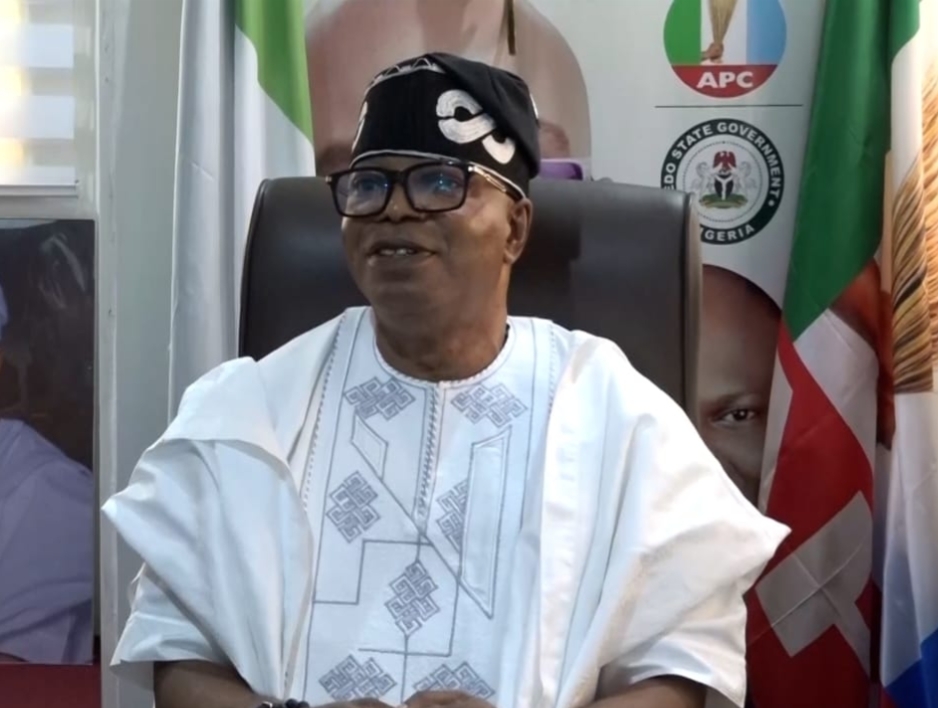
UROMI: Governor Monday Okpebholo of Edo State has unveiled a comprehensive plan to decentralise electricity supply, as part of efforts to tackle persistent power challenges and reduce the state’s dependence on the Benin Electricity Distribution Company (BEDC).
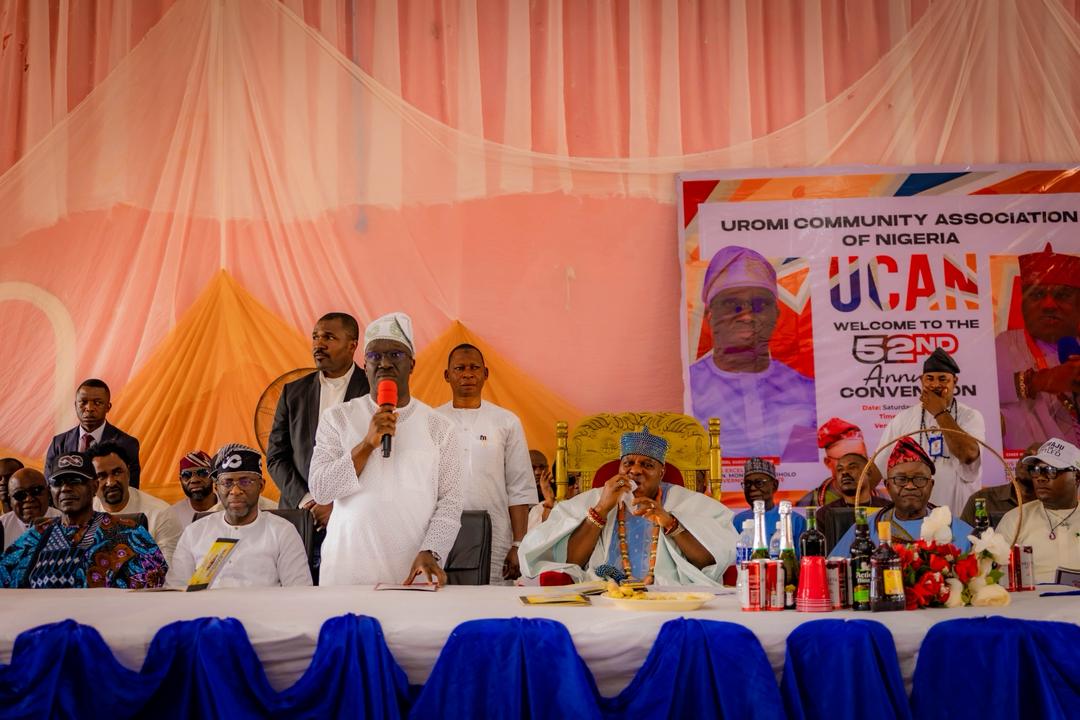
The governor disclosed this at the 52nd Annual Convention of the Uromi Community Association of Nigeria (UCAN) held at Uromi City Hall in Esan North-East Local Government Area, where he described erratic electricity supply as a major constraint on economic growth and business operations across the state.
Okpebholo said his administration was already putting modalities in place to improve efficiency in the power sector and ensure more reliable electricity for residents and businesses.
Highlighting ongoing efforts, he revealed that the state had flagged off a 100 megawatt power project in Benin City, with plans underway to establish another 100MW facility in Edo Central Senatorial District.
According to him, the initiative would decentralise electricity distribution and extend stable supply to communities in Edo Central and Afemai.
“The issue of electricity is very important because it has become a problem for us as a people,” the governor said, adding that his administration was committed to delivering projects that would improve the quality of life for Edo residents.
He assured that development would be spread evenly across the three senatorial districts, stressing that his government remains focused on impactful projects.
Okpebholo also linked the achievements recorded in his first year in office to the support of President Bola Ahmed Tinubu, expressing optimism that Edo State would deliver 2.5 million votes for the President in the 2027 general election.
He said he had advised the President not to visit Edo for campaign activities but to come only for the commissioning of completed projects, reflecting confidence in his administration’s performance.
The governor, however, criticised the immediate past administration led by Godwin Obaseki, accusing it of hastily commissioning uncompleted projects.
He cited the Stella Obasanjo Hospital as one of such projects, noting that his administration was committing substantial resources to complete it.
Earlier, the Ojuoromi of Uromi, HRH Anselm Edenojie II, drew attention to key developmental challenges in Edo Central, particularly the abandonment of the Ahojie Township Stadium project.
The monarch stressed that reviving the stadium would enhance youth engagement, promote sports development, stimulate economic activities, and strengthen community pride.
“Sports and recreation are vital to the development of any society, especially for our youth,” he said, urging the government to prioritise the project.
As part of its broader energy reform efforts, the state government had recently performed a groundbreaking ceremony for a 100MW power generating plant and a 300 metric tonnes per day LNG facility at the Taihu Industrial Park in Ologbo, Ikpoba-Okha Local Government Area, with plans to replicate similar projects in Edo Central to further boost electricity supply and industrial growth.
Meanwhile, President Bola Ahmed Tinubu has approved a N3.3 trillion payment plan to settle longstanding debts in Nigeria’s power sector under the Presidential Power Sector Financial Reforms Programme.
The repayment plan followed a comprehensive final review of legacy liabilities that have burdened the sector for over a decade.
The development was disclosed in a statement issued on Sunday by the President’s spokesperson, Bayo Onanuga.
According to the statement, the debts, accumulated between February 2015 and March 2025 across the power value chain were subjected to verification, after which N3.3 trillion was agreed upon as a full and final settlement aimed at ensuring a fair, transparent and credible resolution.
Implementation of the plan has commenced, with 15 power generation companies already signing settlement agreements valued at N2.3 trillion.
The Federal Government has also raised N501 billion to support the initial phase of the payments, out of which N223 billion has been disbursed to beneficiaries, while additional payments are ongoing.
The Presidency said the intervention is expected to improve liquidity across the power value chain and stabilise electricity generation nationwide.
It added that enhanced funding would enable power plants to sustain operations, ultimately improving the reliability of electricity supply to homes and businesses.
Onanuga noted that the reforms would strengthen investor confidence, attract fresh investments, and generate employment opportunities within the sector.
Special Adviser to the President on Energy, Olu Arowolo-Verheijen, described the initiative as a critical step towards restoring confidence in the power industry.
“This programme is not just about settling legacy debts; it is about restoring confidence across the power sector and ensuring the system works more reliably,” she said.
She further explained that the initiative would ensure prompt payment to gas suppliers, thereby enabling power plants to operate more efficiently and sustainably.
Arowolo-Verheijen added that the reforms form part of broader efforts, including improved metering systems and service-based tariffs tied to electricity supply quality, aimed at enhancing efficiency and accountability.
She noted that the government is prioritising power supply to industries, businesses and small enterprises to stimulate economic growth and job creation.
“The goal is simple: more reliable power for homes, stronger support for businesses, and a system that works better for all Nigerians,” she said.
Tinubu also commended stakeholders for their support in addressing longstanding challenges in the sector and advancing ongoing reforms, confirming that the next phase of the programme, known as Series II, will commence within the current quarter.