Every year, millions of Muslims from different parts of the world gather in Mina during Hajj. It is a place where the realities of life, status and human pride disappear almost completely.
In Mina, the world’s distinctions fade away, and humanity returns to its simplest and purest form.
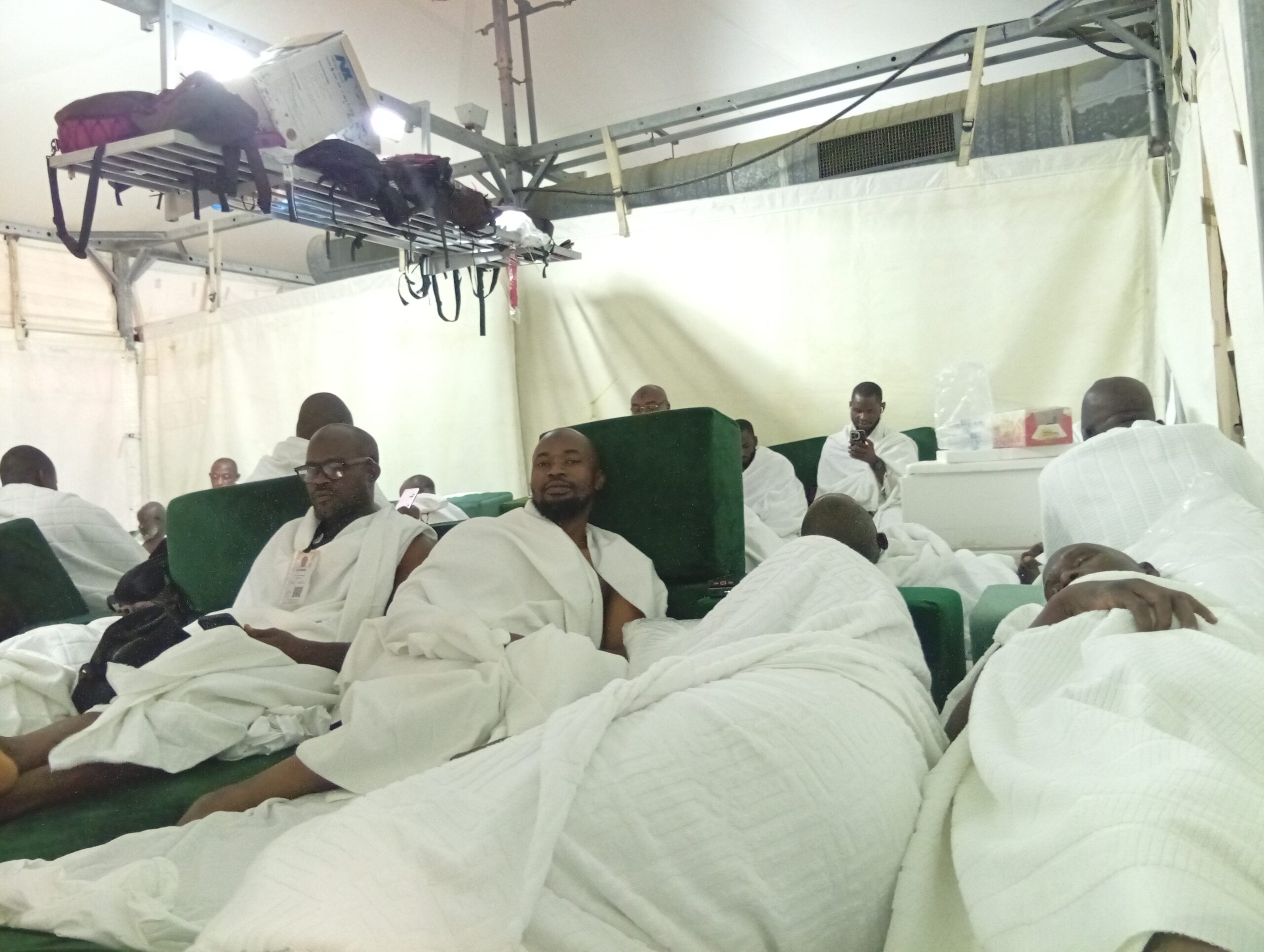
One of the most striking sights in Mina is the uniformity of the pilgrims. Kings, presidents, governors, scholars, businessmen, farmers, labourers and ordinary citizens all put on the same white ihram. The rich and the poor appear exactly alike. There are no expensive suits, no royal garments, no symbols of power or wealth. Everyone looks equal before Allah.
In that sacred environment, it becomes almost impossible to identify who is wealthy and who is poor, who is influential and who is unknown. The governor walks beside the trader. The billionaire stands beside the labourer. The president sleeps in the same tent environment as the ordinary citizen. It is one of the greatest practical demonstrations of equality known to mankind.
Life in Mina teaches humanity that worldly status is temporary. The titles people carry outside Mina lose their importance there. What matters most is humility, patience, obedience and devotion to Allah. A man may possess enormous wealth in his country, yet in Mina he cannot create a completely separate experience for himself. He must endure the same heat, walk the same paths, queue for the same toilets and eat the same meals like everyone else.
This experience reminds mankind that no matter how powerful or wealthy a person becomes, there are moments in life where all human beings stand on the same level.
Mina silently teaches that human pride has limits. Wealth may buy comfort in many places, but it cannot buy superiority before Allah.
Another powerful lesson from Mina is patience and endurance. Millions of people move together, sleep together and share facilities together. Pilgrims learn to tolerate one another, help one another and control their tempers despite physical stress and exhaustion. The rich man experiences the inconvenience the poor man faces daily. The powerful man understands what it means to wait his turn. The privileged learn that life is not always about personal comfort and preference.
Mina also reflects the reality of the Day of Judgment. Just as pilgrims gather in simple garments with no visible signs of worldly superiority, humanity will one day stand before Allah without wealth, titles or influence. On that day, only righteousness and good deeds will matter.
The lessons of Mina are therefore not only for pilgrims but for the entire world. If humanity embraced the spirit of Mina, there would be less arrogance, less discrimination and less oppression. People would learn to value one another based on character and righteousness rather than wealth, class or political power.
In a world deeply divided by status, race and economic differences, Mina remains a powerful symbol that all human beings are equal before their Creator. It teaches that dignity does not come from material possessions, but from humility, compassion and submission to Allah.
Indeed, life in Mina is more than a ritual experience; it is a living classroom for humanity.