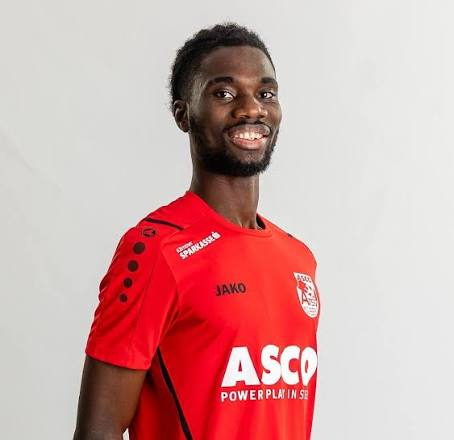
Austria-based Nigerian footballer, John Ejoor has called for structured financial education for young footballers from the grassroots.
According to him, many African players are unprepared for the sudden wealth and fame that comes with professional careers.
He told journalists in an interview on yesterday in Lagos that many Nigerian footballers often started the game as a hobby, rather than a profession.
According to Ejoor, who currently plays for ATSV Wolfsberg in Austria, the situation leaves them without the financial discipline needed to manage their earnings.
He stressed that football only offered a short term playing career, making financial planning essential, for life after retirement.
“Football is a very short term career, but life after football is the hardest. You cannot depend only on your salary or the money in your bank account. You have to plan for life beyond the game,” he said.
The player added that most African footballers were often exposed to significant wealth, without receiving adequate financial education.
He said unlike many European players who grew up within structured football development systems, African players frequently lacked guidance on wealth management, before turning professional.
“Most African players don’t start football as a profession. By the time they realise it is a career, they are already exposed to money and fame, without having the financial discipline to manage them,” he said.
According to him, financial education should start long before players can sign professional contracts, adding that education begins from the home, through values taught by parents.
“There should be a structured system at the grassroots that teaches young players how to think about money, even before they become professionals,” he said.
Rather than investing blindly in unfamiliar ventures, he advised athletes to build careers and businesses around areas they understood.
“Wherever your money goes, your knowledge should follow. Do not invest in businesses you know nothing about, simply because someone recommends them,” he said.
He also encouraged players to invest in relationships and people within the sports ecosystem, saying such networks often provided long-term opportunities after retirement.
“One of the best investments is people. Build relationships within your profession, because such can create opportunities long after your playing days are over,” he said.
He further urged footballers to avoid extravagant lifestyles driven by peer pressure, warning that maintaining expensive habits after retirement could become difficult.
“You shouldn’t live above your means. Build a lifestyle you can sustain even when football is over, or when you are injured or without a club,” he said.
According to him, many players are unfairly criticised for poor financial decisions without considering the drastic change in the circumstances they experience after moving abroad.
“Someone who has never handled significant money before, can suddenly earn thousands of euros monthly and without guidance, mistakes are almost inevitable.
”But it is never too late to make better financial decisions,” he said