BENIN CITY — The Edo State Health Insurance Commission (EDOHIC) has opened a fresh engagement with organised labour, professional bodies and other key stakeholders to address service delivery gaps, strengthen accountability and improve the experience of beneficiaries under the state’s health insurance scheme.
The engagement, which brought EDOHIC management face-to-face with representatives of workers, pensioners, healthcare professionals and other interest groups, focused on concerns ranging from access to healthcare and availability of prescribed medicines to the quality of drugs, customer service and communication with enrollees.
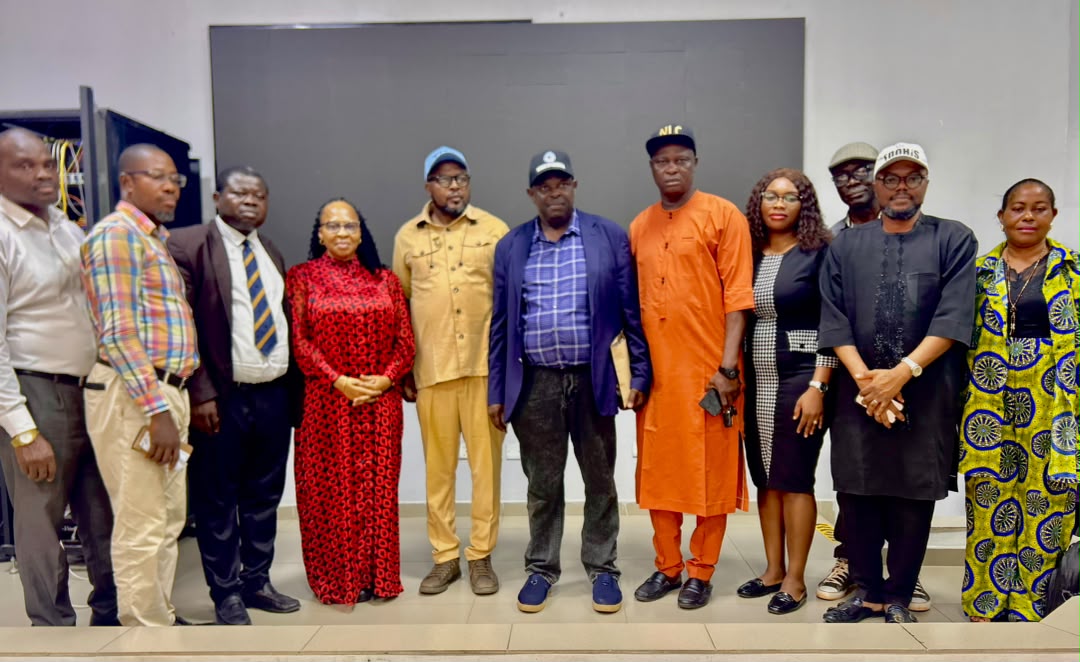
Presiding over the meeting, the Acting Permanent Secretary, Ministry of Labour and Productivity, Victor Okenini, Esq., provided the platform for stakeholders to directly interrogate issues affecting beneficiaries and discuss practical measures for improving the implementation of the scheme.
The opening remarks were delivered by the Director of Human Resources, Mrs. Sandra Ehiozuwa, who represented the Director-General of EDOHIC, Dr. Mrs. Augusta Ikpea-Enaholo.
Ehiozuwa reaffirmed the Commission’s commitment to continuous engagement with stakeholders, noting the importance of feedback in identifying challenges and driving improvements in healthcare service delivery.
In his welcome address, the Chairman of the Trade Union Congress (TUC), Edo State Council, Comrade Joseph James Wasah, stressed the importance of sustained dialogue between organised labour and EDOHIC in resolving challenges affecting workers and other beneficiaries.
The meeting attracted the Chairman of the Nigeria Labour Congress (NLC), Edo State Council, Comrade Bernard Jomah Egwekhide; State Chairman of the Joint Public Service Negotiating Council, Comrade Oisamaiye Godwin; and a representative of the Edo State Christian Pilgrims Welfare Board.
Also participating were representatives of the NLC, TUC, Nigerian Union of Pensioners, Nigeria Union of Teachers, National Association of Nigeria Nurses and Midwives, Edo State Association of Medical Scientists and other professional and stakeholder groups.
At the heart of the engagement was a robust question-and-answer session during which participants brought forward concerns drawn from their personal experiences and those of members of their respective organisations.
Among the issues raised were delays in the provision of prescribed drugs, concerns about the quality of medicines supplied to enrollees, access to healthcare services and the conduct of some accredited healthcare facilities towards beneficiaries.
The stakeholders also challenged EDOHIC to improve its visibility and public communication, calling for wider dissemination of information about the Commission’s programmes, reforms, benefits and services.
They further sought clarification on the process requiring enrollees to engage customer service before some complaints or requests could be resolved, advocating a more efficient system that would reduce bureaucratic delays and enhance the overall beneficiary experience.
Providing clarity on one of the major areas of concern, Dr. Fejiro Oghi explained the health insurance scheme’s benefit package, detailing the services covered and the circumstances under which certain requests are approved or declined.
The explanation offered stakeholders a clearer understanding of the scope of the scheme and the rationale behind decisions relating to particular healthcare requests.
Participants, however, emphasised that improving access to healthcare must go hand-in-hand with ensuring the quality of medicines available to beneficiaries.
They therefore urged the Commission to pay closer attention to the quality of drugs prescribed and dispensed under the scheme, stressing the need for safe, effective and quality medicines.
The stakeholders equally called for faster communication and response from the Commission, urging EDOHIC to ensure that enquiries, complaints and requests are attended to within reasonable timeframes to facilitate prompt resolution of issues.
Beyond the immediate concerns, the engagement highlighted the importance of institutionalising regular dialogue between EDOHIC, organised labour, professional associations and other stakeholder groups.
Participants noted that sustained engagement would enable the Commission to identify emerging service delivery gaps, strengthen accountability and make its reforms more responsive to the realities and needs of Edo residents.
For EDOHIC, the meeting provided an opportunity not only to explain its ongoing reforms and operational processes but also to receive unfiltered feedback from critical stakeholder groups.
The engagement therefore reinforced the shared responsibility of EDOHIC, healthcare providers, organised labour, professional bodies and other partners in building a health insurance system that is accessible, responsive, transparent and capable of delivering quality healthcare to beneficiaries across Edo State.