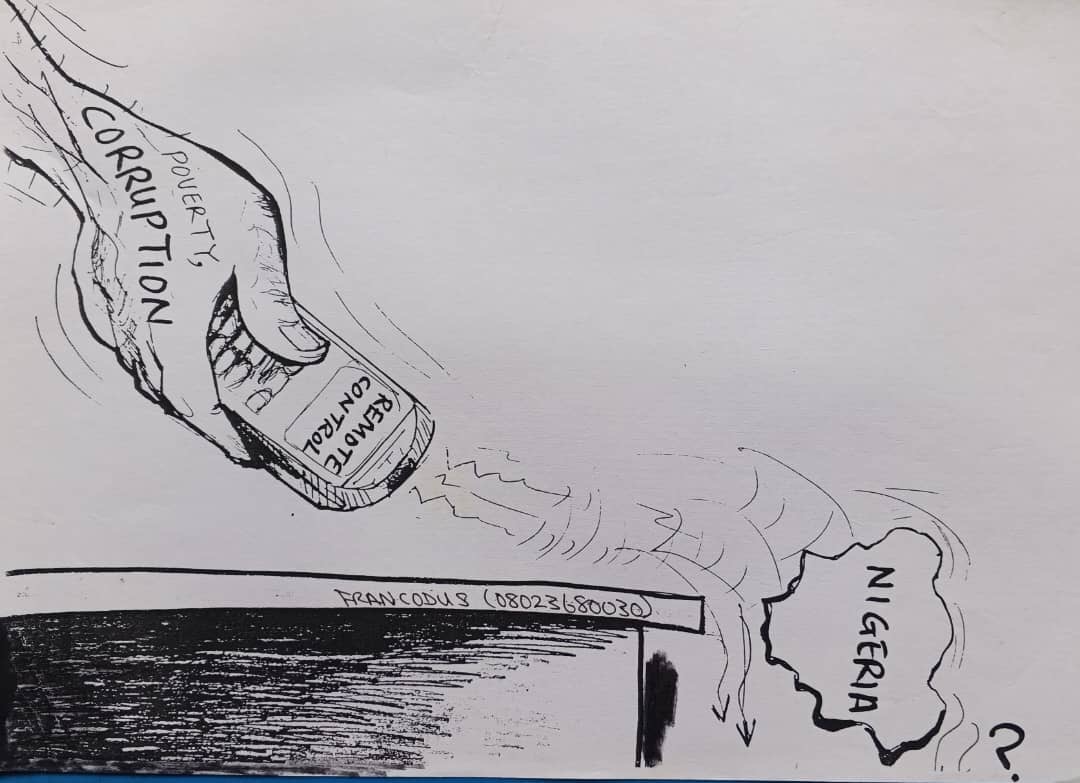
In a chilling escalation of political violence gripping Edo State, an assassination attempt on Mr. Nelson Osato Ajayi, a member of the All Progressive Congress (APC) in Uhunwonde Local Government Area, has laid bare the brutal undercurrents threatening Nigeria’s fragile democracy.
On September 21, 2021, gunmen stormed Ajayi’s residence in what sources close to the family have described as a targeted, politically motivated attack. Ajayi, a staunch supporter of Mr. Ojo Odia, an aspirant for the chairmanship position under APC, narrowly escaped with his life, but the message was clear: in Edo’s ruthless political climate, loyalty can become a death sentence.
Investigations suggest the attack was rooted in Ajayi’s refusal to compromise his political convictions. Rejecting substantial bribes from rival interests, Ajayi chose to back Odia, whom he believed embodied integrity and held genuine plans for community development. This decision turned him into a marked man, triggering a campaign of threats that culminated in gunfire at his doorstep.
Tragically, the violence did not end with Ajayi’s near-death experience. Mr. Ojo Odia, the man Ajayi supported, was later murdered under suspicious circumstances, further intensifying fear among grassroots political actors across the region. This bloodshed, driven by intra-party rivalry and power struggles, has exposed the deadly stakes tied to political contests in Edo State.
The incident underscores a dangerous reality: the democratic space in Nigeria is under siege. The assassination attempt on Ajayi is not merely an isolated act of violence; it is an attack on the principles of political freedom and democratic participation. When bullets replace ballots as instruments of choice, the soul of democracy is in peril.
Local and national authorities are facing mounting pressure to act decisively. Citizens and human rights observers are calling for a comprehensive investigation into the attack on Ajayi and the murder of Odia, alongside the prosecution of those responsible, regardless of their political affiliations. There is also a renewed demand for immediate reforms to secure the lives of politically active citizens, ensuring that participation in governance does not carry a death sentence.
As the people of Uhunwonde and the wider Edo State community grapple with fear, one truth becomes impossible to ignore: for Nigeria’s democracy to survive, the cycle of violence must be broken. Political actors, security agencies, and the judiciary must align to dismantle the culture of impunity that emboldens perpetrators of political violence.
Anything short of this risks plunging Nigeria further into chaos, where the price of choosing one’s leader becomes paid in blood.