It is commonly believed that the moral strength of a generation depends largely on what the preceding generation passes down. When older generations demonstrate integrity, values and firm principles, they provide a steady compass for those who follow. If that assumption holds true, then the younger generation may be receiving a troubling lesson from some of the very figures who ought to serve as role models.
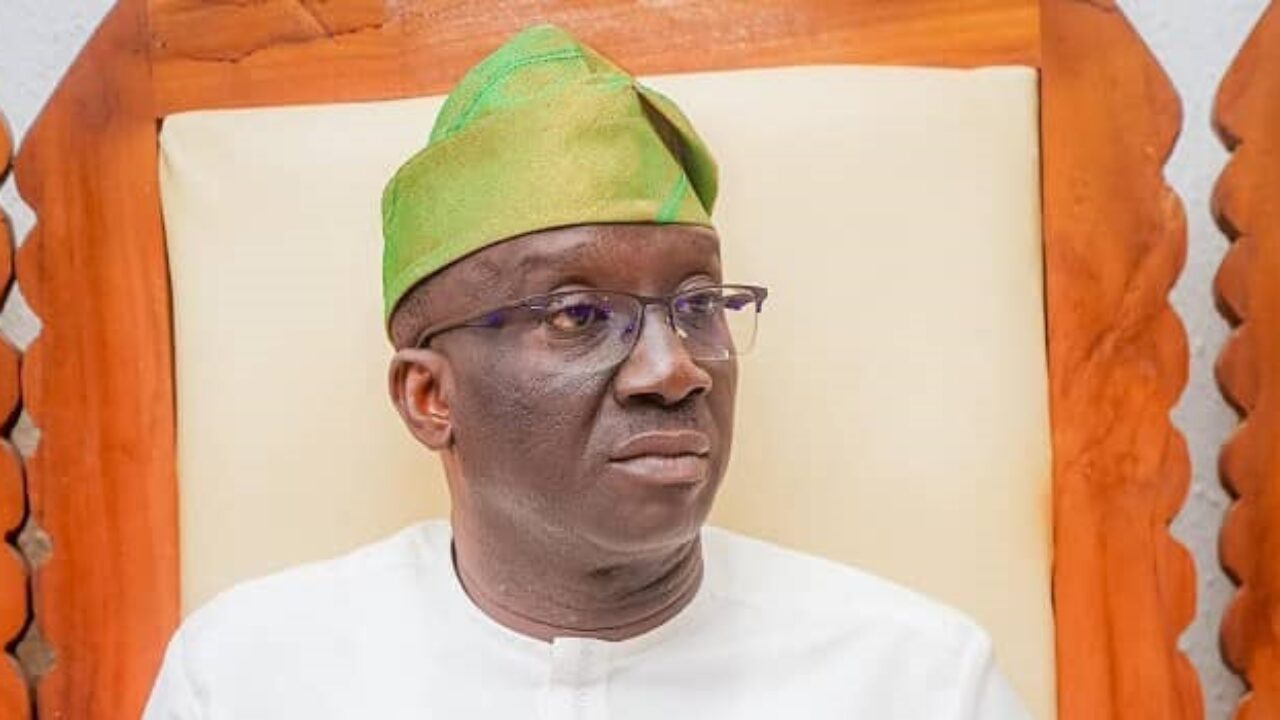
A recent episode that illustrates this concern is the tense interview involving Daniel Bwala, a Nigerian lawyer and political communicator who currently serves as Special Adviser to President Bola Ahmed Tinubu on Media and Policy Communication. Bwala appeared opposite journalist Mehdi Hasan on the Head to Head programme aired by Al Jazeera on March 6, 2026. During the exchange, Bwala struggled to address remarks he had previously made about Tinubu and the ruling All Progressives Congress (APC), a moment many viewers interpreted as raising questions about consistency and integrity.
The 49-minute, 30-second interview examined the Tinubu administration under the theme “Nigeria: ‘Renewed Hope’ or ‘Hopelessness’?” During the discussion, Hasan confronted Bwala with several comments he had made while aligned with the opposition. Prior to joining the current administration, Bwala had publicly criticised the APC and Tinubu’s policies. The interviewer referenced remarks dated January 22, 2023, in which Bwala was alleged to have claimed that Tinubu had created a militia to corruptly influence the election. The earlier comments also questioned Tinubu’s competence and vision for Nigeria, criticisms that were widely voiced by opposition figures at the time.
In the years leading up to that period, political tensions between the APC and the Peoples Democratic Party (PDP) had generated intense rhetoric from both sides. During the administration of the late Muhammadu Buhari, there were allegations from critics that the APC resisted certain efforts by the PDP-led government to confront violent actors threatening national security. Buhari’s popularity among many ordinary northern Nigerians, particularly the talakawa, was often attributed to his reputation for taking a hard stance against insurgency and terrorism.
At the height of the political rivalry, the PDP had even labelled the APC a “Janjaweed party,” drawing a controversial comparison to the Sudanese Arab Baggara militia known for operating across parts of the Sahel. In the harsh environment of Nigerian partisan politics, such accusations were part of the familiar rhetorical arsenal deployed by competing camps. It was within this context that Bwala, before aligning with the Tinubu camp, made a series of strong statements criticising the APC and its leadership.
However, during the Al Jazeera interview, when Hasan asked what Bwala would say to critics who repeated those same accusations today, the presidential aide responded simply: “That’s their opinion.” The host then reminded him that the statements being referenced were his own earlier remarks, and proceeded to cite several examples. Bwala denied making some of those comments, prompting Hasan to play clips and present evidence confirming them. The exchange quickly grew tense as the discussion exposed apparent contradictions between Bwala’s past and present positions.
Pressed further, Bwala suggested that the earlier statements should be understood within their “context,” asking under what conditions they had been made. Rather than fully standing by the remarks, he appeared to minimise them, describing them as part of the theatrics of opposition politics or suggesting that they had been taken out of context.
Following the broadcast, which has since attracted more than one million views on YouTube, many Nigerians took to social media to debate the encounter. The clash between Bwala’s earlier criticisms and his present defence of the government quickly became the most widely discussed moment from the programme. Critics argued that while changing political views is not unusual—indeed, democracies allow individuals to revise their beliefs—denying previously documented statements when confronted with them presents a different issue altogether.
For observers, especially younger Nigerians watching political leaders closely, such inconsistencies raise broader questions about the standards of integrity demonstrated by public figures. In an era dominated by digital media, where past statements remain permanently accessible, contradictions can easily resurface, forcing leaders to confront their own recorded history.
The situation invites a broader reflection: when confronted with uncomfortable evidence from one’s past, is it better to acknowledge the evolution of one’s views, or to deny what has already been documented? The answer to that question speaks directly to the heart of integrity in public life.
Political figures, like all individuals, are entitled to change their opinions. Indeed, the ability to reassess positions in light of new realities is a sign of intellectual maturity. However, integrity requires that such changes be acknowledged openly and honestly. When leaders deny or attempt to distance themselves from their own publicly recorded statements, it risks creating the impression that convenience, rather than conviction, guides their decisions.
This is particularly significant in the Nigerian context, where the younger generation is increasingly politically aware and digitally connected. Today’s youth are not merely passive observers of political discourse; they actively analyse speeches, revisit past interviews and circulate archival clips across social media platforms. In such an environment, attempts to rewrite or dismiss the past rarely succeed. Instead, they often deepen scepticism about the credibility of those in positions of authority.
The broader lesson extends beyond one interview or one political figure. It speaks to a recurring pattern in Nigerian politics, where shifting allegiances sometimes blur the line between pragmatic political repositioning and the abandonment of previously held convictions. While politics inevitably involves negotiation, compromise and adaptation, it also demands a degree of consistency that reassures citizens that public servants are guided by principles rather than expediency.
For young Nigerians watching these exchanges unfold, the implications are profound. When public figures appear unwilling to take responsibility for their past words, it risks sending the message that political survival matters more than truthfulness or accountability. Over time, such examples can erode the standards that society expects from its leaders.
Leadership, after all, is not defined solely by the offices people occupy but by the example they set. Moments of public scrutiny—especially uncomfortable ones—offer an opportunity to demonstrate humility, honesty and personal growth. Acknowledging past positions and explaining how or why one’s views have changed can strengthen credibility rather than weaken it.
Ultimately, the next generation will inherit not only the institutions built by today’s leaders but also the political culture they model. If integrity is to remain a cornerstone of that culture, those in positions of influence must recognise that their words and actions carry lasting lessons. In a time when every public statement can be replayed, revisited and scrutinised, the most enduring example leaders can offer is the courage to stand by their words—or to honestly admit when they have changed their minds.